
Phyllosticta leaf spot
Phyllosticta primulicola
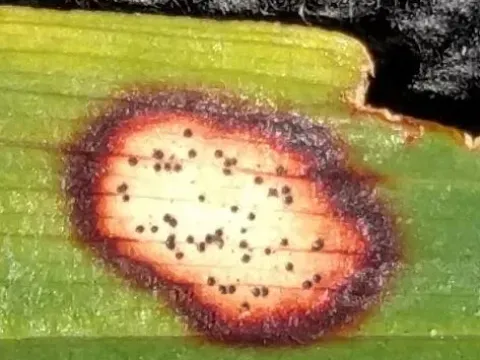
The primary symptom of the disease is the appearance of circular or irregular spots on the leaves. Initially, these spots are light brown or yellowish, gradually darkening to a deep brown or black color as the infection progresses.
What the section contains
Phyllosticta leaf spot
A narrow, dark border often develops around these lesions, clearly distinguishing the infected area from the healthy leaf tissue. Over time, small black dots called pycnidia appear in the center of the spots, containing fungal spores.
As the disease advances, the necrotic leaf tissue may become dry and brittle, eventually falling out and creating a tattered or shothole appearance on the leaves. In high humidity, individual spots can merge to cover large areas of the leaf blade.
Severe infections lead to premature yellowing and dropping of the lower leaves. This significantly weakens the plant and stunts its overall growth, often leading to a lack of vitality in the entire crown.
The aesthetic appeal of the primula is severely compromised, making it unsuitable for display. In advanced stages, the fungus can also affect petioles and flower stalks, causing necrosis and inhibiting bloom development.
The causative agent is the fungus Phyllosticta primulicola, an imperfect fungus belonging to the Sphaeropsidales order. It is a specialized parasite that primarily affects species within the genus Primula.
The fungus survives the winter as mycelium and pycnidia in fallen, infected leaves and plant debris on the soil surface. In spring, spores (conidia) are released and spread by splashing water, rain, or irrigation.
Infection occurs when spores land on healthy leaves and find moisture, allowing them to germinate. The fungus penetrates the host tissues through stomata or mechanical wounds, where it begins to grow and consume the leaf cells.
The life cycle of the pathogen is highly dependent on environmental conditions. Pycnidia are extremely resilient and can survive harsh conditions, ensuring that the disease returns to the same garden plot year after year.
The fungus is capable of producing multiple generations of spores within a single growing season. This biological adaptation allows for rapid spread among crowded or poorly maintained primula plantings.
Phyllosticta leaf spot thrives in conditions of high humidity, frequent rainfall, and stagnant air. Moisture remaining on the leaf surface for prolonged periods is the most critical factor for successful fungal colonization.
The optimal temperature for infection and rapid disease development ranges between +18°C and +25°C. Greenhouses and nurseries without adequate air circulation provide an ideal environment for the pathogen to flourish.
Overcrowded plantings prevent air movement, hindering the evaporation of dew and irrigation water from leaves. These dense clusters create a microclimate that essentially incubates the fungus.
Plants weakened by nutrient deficiencies or improper watering are significantly more susceptible to infection. Poor cultural practices effectively lower the plant's natural defenses, allowing the fungus easier entry.
Evening overhead irrigation is a major risk factor, as it leaves the foliage wet throughout the night. This extended period of leaf wetness is often the trigger for widespread infection across a garden bed.
The primary harm is the complete loss of aesthetic value, rendering the plants unattractive for landscaping or retail sale. For growers, this equates to significant economic losses and product rejection.
The loss of healthy leaf surface area directly reduces the plant's photosynthetic capacity. This leads to depleted energy reserves in the roots, reducing the plant's ability to survive winter or produce healthy flowers the following spring.
Severe infestations can lead to stunted flower stalks and distorted blossoms, if they develop at all. The weakening effect of the fungus makes the plant prone to secondary infections from other pathogens.
The soil becomes a persistent reservoir of inoculum, making it increasingly difficult to grow healthy primulas in the same location over successive years without extensive soil management.
Control measures, including the cost of fungicides, labor for sanitation, and potential plant replacement, increase the overall maintenance costs of the garden or production nursery significantly.
The first step in disease management is rigorous sanitation. Removing and destroying all infected foliage and debris in autumn is essential to eliminate the primary sources of overwintering inoculum.
Proper plant spacing is vital to ensure good air circulation, which helps keep foliage dry. Weeding and maintaining a clean growing area prevent the buildup of humidity around the plants.
- Apply copper-based fungicides (Bordeaux mixture or similar) at the first sign of symptoms.
- Use systemic fungicides, such as those containing azoxystrobin or difenoconazole, to stop mycelial growth.
- Practice early detection by regularly inspecting leaves for initial spotting.
- Water at the base of the plant to keep the foliage dry and reduce infection risks.
- Improve plant vigor through balanced potassium and phosphorus fertilization.
Preventative spraying at the beginning of the growing season can create a barrier against infection. Rotating fungicides with different modes of action is recommended to prevent the development of fungal resistance.
In greenhouses, focus on climate control by optimizing ventilation and reducing relative humidity. Keeping foliage dry and maintaining clean growing conditions will keep the primula collection healthy and vibrant.