
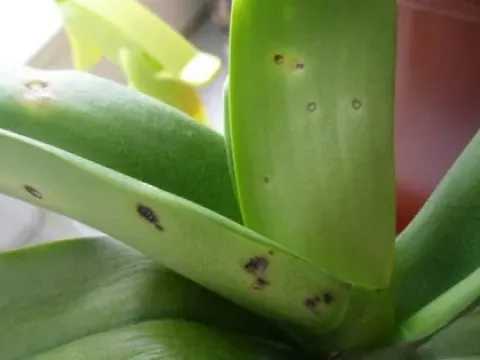
Phyllosticta leaf spot
Phyllosticta maculata
The disease is caused by the fungus Phyllosticta maculata (and other related species of the genus Phyllosticta), which belongs to the class of Deuteromycetes. This pathogen is a facultative parasite that overwinters as mycelium or pycnidia on fallen leaves and infected plant stems.
What the section contains
Phyllosticta leaf spot
The life cycle of the pathogen initiates in the spring under favorable moisture conditions. Pycnidia release conidia, which are then dispersed by water splashes, wind, or insects onto healthy plant tissues, where they germinate and enter through natural openings or wounds.
It affects a broad variety of hosts, including deciduous trees, berry shrubs (especially currants and gooseberries), and various ornamental plants. The fungus feeds on living plant tissues, inducing necrotic processes that result in characteristic lesions.
As the infection progresses, the fungus produces new pycnidia within the lesions. These serve as sources for secondary infection cycles throughout the growing season, allowing the disease to spread rapidly across entire plantations if left unmanaged.
The pathogen is highly resilient, capable of surviving in soil and debris for extended periods. Its ability to tolerate different environments makes it a persistent challenge for both commercial growers and home gardeners.
Initial symptoms present as small, circular or angular spots appearing on the leaves. These spots are initially light to reddish-brown in color, often surrounded by a distinct darker margin, which helps to identify the infection in its early stages.
As the disease advances, the centers of the spots may turn grey or whitish. The most diagnostic sign is the appearance of tiny, black, dot-like structures known as pycnidia, which become visible within the central part of the lesion on the leaf surface.
In addition to leaves, the disease can affect petioles and sometimes young shoots. While rare, fruit infections can occur, manifesting as small depressed spots that reduce both the aesthetic appeal and the shelf life of the harvest.
Heavy infections cause leaf spots to coalesce, covering large areas of the leaf blade. This significantly impairs photosynthesis, often resulting in yellowing, necrosis, and premature abscission of leaves before the end of the season.
Defoliation is common in severe cases, which weakens the plant significantly. The visual progression from initial spots to widespread necrosis is a clear indicator of the intensity of the fungal colonization.
High humidity is the primary driver of disease development. Frequent rains, persistent fogs, and dew provide the necessary surface moisture for conidia to germinate and penetrate the host tissue successfully.
Temperatures ranging from +18°C to +25°C are optimal for the pathogen. During these temperate periods, plants are actively growing and vulnerable, facilitating the rapid establishment and proliferation of the infection.
Crowded plantings and poor canopy management create stagnant, humid microclimates. These conditions prevent leaves from drying quickly after rain, making it significantly easier for the fungus to spread from leaf to leaf.
Improper fertilization, particularly excessive use of nitrogen, encourages lush and succulent growth. Such tissues have a thinner cuticle layer, which is easily breached by the fungal germ tubes, increasing susceptibility to infection.
Plants subjected to environmental stress—whether through drought, pest infestations, or mechanical damage—experience a decline in their natural defense mechanisms, making them prone to colonization by Phyllosticta maculata.
The most significant impact of the disease is premature defoliation. The loss of foliage during the critical summer months limits the plant's ability to store sufficient carbohydrates, which are essential for surviving winter and supporting early spring growth.
Infected trees and shrubs show a decline in overall vigor and yield potential. The depletion of energy reserves results in poor bud formation and increased susceptibility to winter damage, leading to branch dieback or even total plant death.
For crops where appearance is important, such as fruits or decorative foliage, the market value is severely degraded by necrotic spots. Furthermore, the overall health of the planting decreases over successive years if management practices are neglected.
- Significant reduction in annual crop yield.
- Depletion of carbohydrate reserves in the plant.
- Increased vulnerability to frost and cold damage.
- Reduced aesthetic value of ornamental garden plants.
Financial losses are incurred not only through reduced yield but also from the sustained costs of managing the disease with fungicides, which become necessary when preventive measures are insufficient.
Sanitation is the cornerstone of control. Removing and destroying fallen leaves is essential, as this eliminates the primary source of overwintering inoculum. Deep tilling of the soil around the base of trees helps bury debris.
Pruning is vital to maintain an open canopy. Properly thinned branches allow for better light penetration and increased airflow, which helps keep the foliage dry and makes the environment unfavorable for fungal infection.
Chemical control typically involves the use of copper-based fungicides or appropriate systemic fungicides during the growing season. Applications should be timed based on environmental conditions and historical disease pressure.
To avoid the development of fungicide resistance, it is crucial to rotate chemical products with different modes of action. Preventive sprays applied before infection onset are far more effective than curative efforts after symptoms appear.
Maintaining plant health through balanced fertilization, particularly with potassium and phosphorus, strengthens cellular structures. A robust plant is more capable of resisting fungal invasion and recovering from any environmental stress.