
Phyllosticta leaf spot
Phyllosticta hypoglossi
The causal agent of this disease is the pathogenic fungus Phyllosticta hypoglossi, which is classified within the Deuteromycetes group. This fungus is specialized in attacking the cladodes (flattened stems acting as leaves) of Ruscus plants.
What the section contains
Phyllosticta leaf spot
The fungus propagates through the formation of pycnidia, which are microscopic fruiting bodies embedded within the host tissue. These pycnidia act as reservoirs, allowing the pathogen to survive during adverse environmental conditions.
During warm and humid weather, these pycnidia rupture to release a large number of spores (pycnospores). These spores are easily disseminated by splashing water from irrigation, rainfall, or high-velocity winds to healthy parts of the plant.
The fungus infects the host tissue by entering through the stomata or small wounds on the surface. Once inside, the mycelium spreads within the parenchymal cells, gradually leading to tissue necrosis and structural damage.
Since Phyllosticta hypoglossi has a narrow host range, it is primarily problematic for Ruscus species in nurseries, greenhouses, or garden centers where humidity levels are frequently kept high.
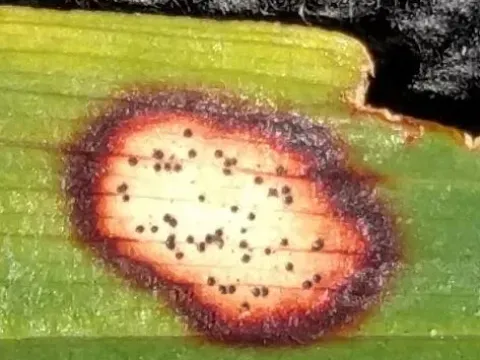
The initial symptom manifests as small, circular, or irregular lesions appearing on the cladodes. These spots typically begin as light yellow or pale green areas and soon turn grayish as the tissue dies.
As the lesion expands, it often develops a distinct dark brown or reddish-brown margin. This border serves to delineate the advancing fungal colony from the surrounding healthy green tissue.
A hallmark sign of Phyllosticta infection is the appearance of tiny, black specks within the center of the necrotic spots. These are the pycnidia, which are visible to the naked eye or under a magnifying glass, indicating active sporulation.
Under conditions of high moisture, a faint fungal growth consisting of conidia may be observed around the lesions. When several spots converge, they can cover a significant portion of the cladode surface.
Advanced stages of the disease result in the chlorosis (yellowing) and eventual shedding of affected cladodes. This significantly reduces the aesthetic value of the plant and leaves the stems bare.
High relative humidity is the most critical environmental factor that facilitates the development of Phyllosticta leaf spot. Stagnant air and persistent moisture on plant surfaces create the perfect climate for spore germination.
The optimal temperature range for the rapid development of the fungus is between 18°C and 25°C. In such conditions, the incubation period is very short, allowing the disease to spread quickly across the plant population.
Overhead irrigation systems are a major driver of this disease. Water splashing from one leaf to another transports spores effectively, causing the pathogen to jump from an initial infection point to the entire collection.
Poor ventilation in greenhouse settings prevents the rapid drying of plant surfaces, which extends the period during which spores can successfully infect new tissues. Crowded plant spacing further exacerbates this issue by reducing airflow.
Presence of physical damage, such as leaf abrasions from maintenance activities or pest feeding, creates entry points that significantly increase the susceptibility of the plant to the infection.
The primary damage caused by this disease is the loss of decorative value. As an ornamental plant, Ruscus loses its marketability and appeal if the foliage is covered in necrotic spots, making it unsuitable for floral arrangements.
The infection disrupts the photosynthetic process by destroying the green tissue of the cladodes. This reduction in photosynthetic capacity stunts the growth of the plant and weakens its overall physiological health.
Frequent leaf shedding causes significant stress, leading to a decline in energy reserves. This makes the plant less vigorous, affecting its ability to produce new growth and recover in subsequent seasons.
For commercial growers, an outbreak of this disease translates into substantial financial losses due to crop rejection, increased labor for management, and the cost of chemical interventions.
If left unmanaged, the cumulative impact of leaf loss and fungal exhaustion can lead to the death of the plant. Furthermore, infected plants can harbor other pathogens, creating a compounded disease risk for the entire nursery.
Effective management begins with strict sanitation practices. All infected plant material must be promptly removed and disposed of away from the production site to eliminate the primary sources of inoculum.
Improving cultural conditions is vital; increasing plant spacing and ensuring proper ventilation help lower humidity levels around the foliage, making it harder for the spores to germinate.
Chemical control involving fungicides is often necessary. Copper-based sprays or systemic fungicides, such as those belonging to the triazole or strobilurin classes, are highly effective when applied preventively or upon the first signs of disease.
It is crucial to ensure thorough coverage of all leaf surfaces during application. Following a proper rotation of fungicides with different modes of action is essential to prevent the development of resistance in the pathogen.
Promoting plant vigor through balanced fertilization, particularly with potassium and phosphorus, helps strengthen the structural integrity of the cladodes, thereby increasing natural resistance to fungal entry.