
Phylloporia
Phylloporia
The disease is caused by fungi belonging to the Phylloporia genus. These organisms are wood-decay fungi that primarily attack living or weakened trees by breaking down lignin and cellulose components in the timber.
What the section contains
Phylloporia
The pathogen enters the host through open wounds, pruning cuts, frost cracks, or bark damage. Once inside, the mycelium colonizes the heartwood, slowly degrading the tree's internal structure over several years.
The biology of Phylloporia is characterized by a long dormant phase within the wood. The fungus focuses on nutrient extraction, which often remains asymptomatic until the tree's health is significantly compromised.
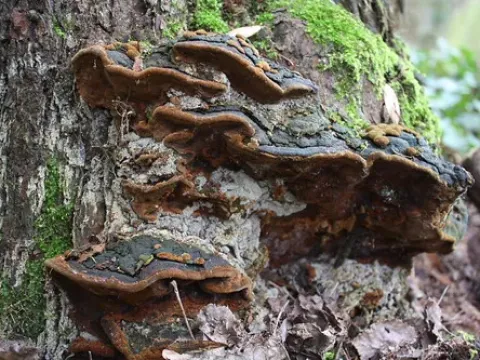
Fruiting bodies are typically bracket-shaped, leathery, or corky in texture. These structures are the visible part of the pathogen and are responsible for producing spores that propagate the disease to other susceptible hosts.
Dissemination occurs via airborne spores. High infection rates are commonly found in neglected orchards or woodlands where old, infected trees provide a continuous source of inoculum for healthy vegetation.
The most prominent sign of a Phylloporia infection is the appearance of perennial or annual fungal fruiting bodies on the bark of trunks or branches. These growths have a characteristic brown, woody, or corky appearance.
Internally, the wood undergoes degradation, often turning softer and changing color as the fungus breaks down the structural integrity. This internal rot can lead to instability of the entire tree trunk.
The foliage of infected trees often shows signs of stress, including thinning of the canopy and premature leaf drop. These symptoms are a direct result of the fungus damaging the tree's vascular and conductive systems.
Cracking, peeling, or sunken necrotic lesions on the bark are common symptoms. In these areas, the bark becomes brittle and may eventually fall off, exposing the rotting wood beneath.
Advanced stages of the disease manifest through the dieback of major skeletal branches. If left unmanaged, this progressive weakening eventually leads to the death of the entire tree structure.
High humidity and poor air circulation within the tree canopy create an ideal microclimate for Phylloporia development. Densely planted groves are particularly susceptible to the spread of this fungus.
Physical injuries serve as the primary entry point for the pathogen. Inadequate wound care after pruning or damage from weather events like hail creates the perfect environment for spore germination.
Trees experiencing physiological stress due to drought, nutritional deficiencies, or poor site conditions are more vulnerable. These stressors impair the tree's natural defense mechanisms against fungal infiltration.
Optimal growth temperatures for the mycelium range between 15°C and 25°C. Mild, damp weather patterns significantly accelerate the destructive processes of the fungus within the wood.
The presence of dead wood or old stumps near healthy trees increases the risk of infection. Without proper sanitation, the pathogen can persist in the local environment for many years.
The primary threat of Phylloporia is the deceptive nature of the disease. Often, the internal rot is well advanced before the external fruiting bodies appear, leaving the tree structurally unsound.
Infected trees suffer from a significant loss of mechanical strength. This presents a safety hazard as the compromised trunk or limbs may fail unexpectedly under wind pressure or snow loads.
The disease negatively impacts the fruit production and overall vitality of the tree. Disrupted nutrient flow results in stunted growth and a general decline in the quality of the harvest.
By weakening the host, the infection attracts secondary pests such as bark beetles. These insects further accelerate the tree's decline, often leading to a rapid and total collapse of the plant.
In the long term, Phylloporia can devastate entire plantations. Because it is highly transmissible via spores, one infected tree can easily spread the disease to the rest of the garden.
Effective control requires strict sanitary practices, including the prompt removal of all infected branches and the destruction of fruiting bodies. Pruning tools must be disinfected after every cut to avoid cross-contamination.
All pruning cuts should be sealed with horticultural sealants or fungicides to prevent new spores from entering the fresh wood. Properly healing wounds are the best defense against secondary infections.
Maintaining optimal tree health through balanced fertilization and appropriate irrigation is crucial. A vigorous tree can compartmentalize decay and resist the initial stages of Phylloporia colonization.
Infected wood must be removed from the site and burned. Keeping the orchard free of debris and dead wood is essential to reducing the spore load in the immediate area.
- Perform regular inspections for fungal growth.
- Sterilize pruning tools between trees.
- Clean out rot until healthy tissue is reached.
- Treat wounds with copper-based fungicides.
- Promote air circulation through proper thinning.