
Phylloporus rhodoxanthus
Phylloporus rhodoxanthus
Description
Symptoms
The main visual indicator of its presence is the appearance of fruit bodies, typically found on the forest floor during late summer and autumn.
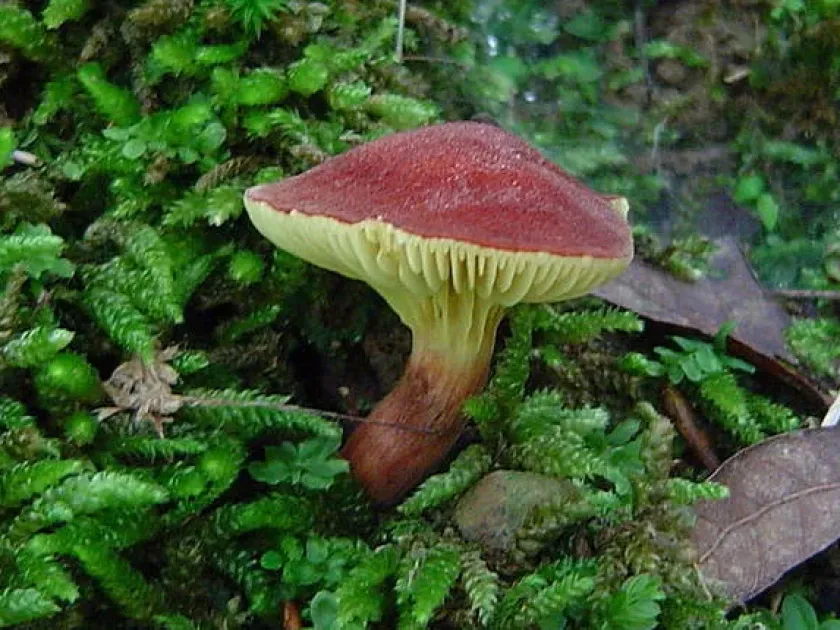
The cap is often velvety or finely tomentose with a color ranging from reddish-brown to golden-brown.
The undersurface consists of yellow to golden-yellow gills that are often decurrent and sometimes fork near the stem.
The flesh of the fruit body is generally stable in color and does not exhibit the rapid bruising reaction common in other boletes.
The stem is usually solid, cylindrical or tapering at the base, matching the color of the cap.
Pathogen
Phylloporus rhodoxanthus is not a plant pathogen and does not cause any diseases in agricultural or forest crops. It is a mycorrhizal fungus belonging to the Boletaceae family.
The fungus is characterized by its unique morphology, featuring gills instead of the pores typically found in bolete species, which is why it is often called a gilled bolete.
It establishes a symbiotic relationship with tree roots, forming an ectomycorrhiza that facilitates nutrient exchange between the soil and the plant host.
This biological activity supports forest health by improving water and mineral uptake for trees in its vicinity.
As a beneficial symbiont, it does not attack plant tissues or cause systemic disorders, distinguishing it from parasitic fungi.
Conditions for development
The fungus grows in mixed and deciduous forests, preferring acidic soils and association with trees like oak and beech.
Ideal conditions include high soil moisture and moderate temperatures, often provided by the leaf litter layer in healthy woodlands.
Spore dispersal occurs via wind currents, allowing the fungus to colonize suitable habitats where compatible root systems are present.
Stable forest microclimates with limited direct sunlight and protected soil surface are essential for mycelial development.
Growth is sustained by the continuous supply of carbohydrates from the host tree through the mycorrhizal network.
Why it matters
Phylloporus rhodoxanthus is harmless to crops, trees, and other vegetation, posing no threat to agriculture or timber production.
Its presence is actually a positive sign of a healthy, functioning forest ecosystem and balanced soil microbiology.
The fungus does not degrade wood, cause root rot, or inhibit plant growth in any capacity.
It holds no economic significance as a pest or a disease agent in any professional sector.
There are no recorded instances of negative impacts on host vitality or field productivity.
Protection
No control measures are necessary, as the fungus is not considered a pest, disease, or a threat to commercial operations.
Prevention is not practiced because the fungus performs a beneficial role in maintaining natural forest health.
When forest lands are converted to agricultural fields, the fungus typically disappears as it cannot survive without its woody hosts.
Chemical intervention is unnecessary and would be ecologically counterproductive given the beneficial nature of this organism.
The recommended approach is to preserve natural habitats to maintain the ecological integrity of woodland areas.
Discussion
No discussions yet — be the first.