
Phylloporus
Phylloporus
Description
Pathogen
The genus Phylloporus does not act as a plant pathogen or cause plant diseases. It is a genus of stipitate-pileate fungi in the family Boletaceae that leads an exclusively mycorrhizal lifestyle.
These organisms establish symbiotic relationships with the root systems of various vascular plants, primarily woody trees. Unlike parasitic fungi, they do not harm the host tissue but provide the plant with minerals and moisture.
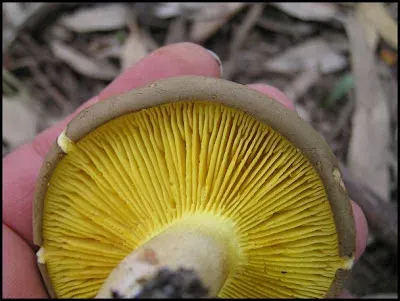
Biologically, the genus is unique due to its morphology: they resemble boletes, yet they possess a lamellate (gilled) hymenophore, which is a distinctive evolutionary feature among their relatives.
The fungal mycelium penetrates the root tips of the host, creating an ectomycorrhizal network. This physiological connection is vital for the survival and growth of forest trees in their natural habitats.
Species of Phylloporus are widely distributed in moist forest environments across various climatic zones, ranging from temperate regions to tropical areas. They play a significant beneficial role in forest ecosystems.
Conditions for development
The development of Phylloporus fruit bodies is strictly dependent on the symbiotic association with host trees, such as oaks, beeches, or pines. Without an active root system of the host, the mycelium cannot reproduce.
Specific microclimatic conditions are necessary for the formation of fruiting bodies. High soil and atmospheric humidity during the summer and autumn months act as the primary triggers for sporulation.
Optimal temperatures for mycelial activity range between +15 and +22 degrees Celsius. Extreme temperature fluctuations and prolonged drought conditions effectively halt the fungal life cycle.
These fungi prefer well-aerated soils that are rich in organic matter. The presence of a leaf litter layer or pine needles creates the essential humid micro-environment for mycelial growth.
Soil pH levels also influence the prevalence of these species. They are most commonly observed in slightly acidic or neutral forest soils with effective drainage properties.
Discussion
No discussions yet — be the first.