
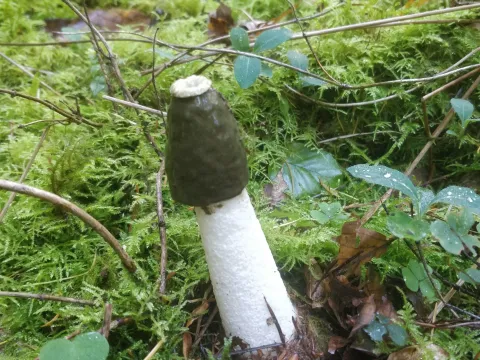
Phallus impudicus
Phallus
Phallus impudicus, commonly known as the common stinkhorn, is a fungus in the family Phallaceae. It is important to clarify that this organism is not a plant pathogen.
What the section contains
Phallus impudicus
Unlike pathogenic fungi that cause disease, this species is purely saprophytic. It grows in the soil by decomposing organic matter such as wood debris, leaf litter, and humus.
There is no disease agent associated with this fungus because it does not invade living plant tissues. Its life cycle consists of vegetative mycelium growth and reproductive fruiting bodies.
The biology of this fungus is directly linked to the presence of decaying plant materials. It does not possess the infectious structures required to parasitize crop plants.
Therefore, from a plant pathology perspective, Phallus impudicus is classified as a beneficial soil decomposer that lives alongside agricultural systems rather than damaging them.
The primary sign of its presence is the rapid appearance of egg-like structures on the soil surface or near the base of trees. These "eggs" eventually rupture.
Once mature, a porous, cylindrical fruiting body with a slimy, spore-bearing cap emerges from the egg. This growth can occur within just a few hours.
A distinctive diagnostic feature is the extremely pungent, carrion-like odor emitted by the cap, which attracts insects to aid in spore dispersal.
White mycelial strands (rhizomorphs) may be observed in the soil surrounding the fruiting body, extending through the organic-rich layers of the ground.
Visually, the presence of these fungi is often mistaken for root rot symptoms due to their location near plant stems, though the plants remain healthy and unaffected.
The mycelium of Phallus impudicus thrives in high-moisture soil and shaded environments. It prefers habitats with rich organic content and decaying wood.
Optimal conditions for fruiting body formation occur after heavy rainfall during the summer and autumn months. High humidity significantly accelerates the maturation process.
Spore dispersal is facilitated by insects, particularly flies, which are attracted to the odor and transport the spores over long distances.
The presence of old stumps, uncomposted wood chips, or excessive organic fertilizer provides the necessary substrate for the fungus to colonize an area.
Soil temperatures ranging from 15 to 22 degrees Celsius are considered most favorable for active vegetative growth of the mycelium in the upper soil profile.
There is no direct damage to crop plants. The fungus does not compromise roots, stems, or leaves, and therefore has no negative impact on yield or plant survival.
Indirect impact is generally limited to aesthetic concerns and the strong, unpleasant odor, which may be perceived as a nuisance in domestic garden areas.
In rare instances, extensive mycelial growth may cause slight, temporary alterations to the soil structure in areas where the fungus is highly concentrated.
Its appearance may indirectly signal an excess of woody organic waste, which could potentially encourage the growth of other, truly pathogenic soil fungi.
The ecological significance of this fungus is neutral to positive, as it contributes to the essential process of decomposing organic debris into humus.
Specific chemical pesticides are not used against Phallus impudicus as it is not a pest. Management should focus on simple cultural practices.
- Removing old stumps and large woody debris from the soil.
- Ensuring proper soil drainage to prevent water stagnation.
- Regular removal of fallen leaves and decaying organic plant materials.
- Cultivating the soil surface to improve aeration and disrupt mycelial networks.
Mechanically removing the immature "eggs" can help prevent spore dispersal, although this does not eliminate the established mycelium under the surface.
Adjusting soil pH and regular hoeing can create conditions that are less favorable for the growth of saprophytic fungi in the upper soil horizons.