
Phanerochaete sacrata
Phanerochaete sacrata
Description
Symptoms
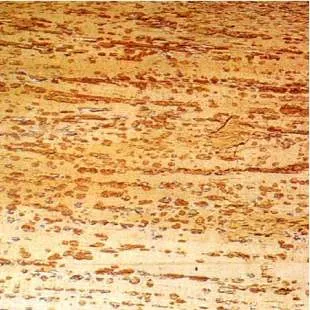
The hallmark of Phanerochaete sacrata infection is the development of white rot, where wood loses its coloration and structural rigidity. The tissue becomes light, soft, and distinctly fibrous as the fungus selectively degrades lignin.
Fruiting bodies are often observed on the surface of the trunk or larger branches, appearing as thin, yellowish to creamy crusts. These structures can expand significantly, covering large areas of the bark during the active growth phase.
Internal decay often starts in the heartwood, which may lead to the development of deep cracks or hollows in the trunk. The presence of dense white fungal mycelium in these cavities is a diagnostic sign of the pathogen's active colonization.
Trees affected by advanced decay often show symptoms of crown decline, such as yellowing leaves and premature leaf drop. This occurs because the internal damage interferes with the tree's vascular system, hindering the transport of water and nutrients.
Mechanical instability is a critical sign; as the wood degrades, the tree becomes increasingly susceptible to trunk snapping or branch failure, even under mild weather conditions.
Pathogen
Phanerochaete sacrata is a wood-decaying basidiomycete fungus known for causing white rot in woody plants. It primarily acts as a saprotroph, but can exhibit opportunistic parasitic behavior on weakened or dying host trees by colonizing their tissues.
The fungus produces extracellular enzymes that break down complex lignin and cellulose structures within the wood. This enzymatic activity leads to the degradation of the plant's structural integrity, effectively converting hard wood into a soft, fibrous substance.
Infection is primarily facilitated through the dispersal of basidiospores carried by air currents. These spores germinate when they settle on exposed wood surfaces, particularly where the protective bark layer has been breached or is naturally compromised.
As a pathogen, it is characterized by its ability to persist in dead woody debris, making it a constant factor in forest ecosystems. Its biological survival strategy relies on the continuous presence of organic substrates within the forest floor or on standing dead trees.
The fungus manifests as thin, spreading crust-like fruiting bodies on the bark or wood surfaces. These structures are essential for the production and release of new spores, ensuring the pathogen's continued propagation throughout the habitat.
Conditions for development
Phanerochaete sacrata thrives in high-humidity environments where moisture levels remain consistently elevated. Cool to moderate temperatures, typical of temperate climates during spring and autumn, provide optimal conditions for mycelial expansion.
The presence of woody debris and high stand density creates a favorable microclimate with limited airflow. Poor ventilation keeps the bark surfaces damp for longer periods, which significantly facilitates spore germination and early colonization.
Mechanical injuries, such as those caused by logging operations, animal damage, or extreme weather, are primary entry points for the pathogen. Trees under physiological stress, due to drought or soil nutrient deficiencies, are much more vulnerable to infection.
Precipitation events play a key role in spreading spores, as water runoff transports them down the trunk and into microscopic fissures. While extreme heat can temporarily inhibit surface growth, it rarely kills the fungus embedded within the tree.
Continuous accumulation of fallen timber provides a sustained reservoir for the pathogen, allowing it to maintain a high inoculum potential within the forest environment for many years.
Why it matters
The economic impact of Phanerochaete sacrata is significant, primarily due to the depreciation of timber quality. Wood affected by white rot loses its commercial value, making it unsuitable for construction or high-quality manufacturing.
In forest ecosystems, the fungus contributes to the loss of standing biomass. Widespread infection can weaken a forest stand, increasing the risk of windthrows and causing catastrophic losses to the tree population.
The pathogen interferes with the natural succession and regeneration process by attacking young trees, which are less resilient to fungal infection. This leads to reduced forest density and impacts the long-term sustainability of the area.
In urban forestry and landscaping, the primary risk is human safety. Trees with decayed interiors are structurally compromised and pose a risk of sudden failure in populated areas, necessitating costly removal and arboricultural care.
By producing massive amounts of spores, the fungus creates a continuous disease pressure on the remaining healthy vegetation, potentially leading to widespread forest decline if not managed through proper sanitation.
Protection
Effective management begins with strict sanitation practices, including the removal of infected standing trees and fallen timber. Eliminating the source of the inoculum is the most effective way to prevent further spread.
Preventing mechanical injury to trees during maintenance or harvesting is crucial for long-term health. Any accidental wounds should be protected using appropriate wound dressings to prevent pathogen entry.
Managing the density of tree stands helps improve air circulation and sunlight penetration, which keeps the environment drier and less conducive to fungal growth. Regular pruning of lower branches can also enhance airflow.
Biological control agents, such as beneficial fungi that compete with or suppress Phanerochaete sacrata, are an emerging field in sustainable forest management. These can be applied in high-risk zones to naturally keep the pathogen in check.
- Regular forest health surveys to identify early infection.
- Prompt removal and proper disposal of diseased wood.
- Disinfection of pruning tools to avoid cross-contamination.
- Enhancing soil health to boost tree immunity.
- Monitoring environmental factors like stand moisture levels.
Discussion
No discussions yet — be the first.