
Orbilia
Orbilia
The genus Orbilia includes a group of Ascomycete fungi known primarily as wood-decaying organisms that inhabit damp substrates and decaying plant tissues.
What the section contains
Orbilia
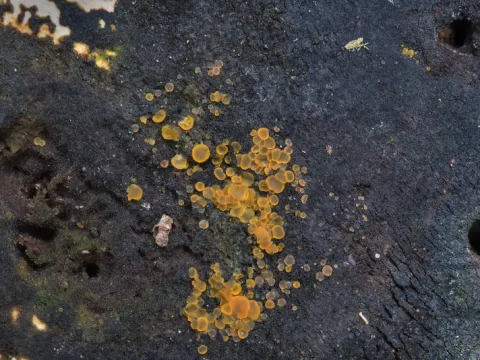
These fungi produce characteristic small, discoid, and often bright-colored apothecia, which serve as their primary means of sexual reproduction via ascospores.
Biologically, many species within this genus have developed mechanisms to trap and consume soil nematodes, showing a unique ecological role as both saprotrophs and predators.
In forestry and agriculture, they are often identified as opportunistic pathogens that thrive on weakened or dead organic material, rather than attacking healthy, vigorous tissues.
Microscopic analysis of their spores is often required to distinguish them from other morphologically similar disc fungi found in forest ecosystems.
The most recognizable symptom is the appearance of tiny, semi-translucent, wax-like discs on the bark of trees, often clustered together in groups.
Affected bark may show signs of softening or structural degradation, which is a direct consequence of the fungus breaking down lignin and cellulose within the host.
Cracking and peeling of the bark around the colonized area are common signs that the fungus has deeply penetrated the external layers of the plant.
The presence of these fungal colonies often correlates with dead or dying branches, as the fungus actively colonizes tissues with lower vitality.
In some cases, a dark discolouration of the wood beneath the bark can be observed, indicating ongoing enzymatic processes typical of fungal degradation.
High humidity and consistent moisture levels are the most critical factors for the successful growth and sporulation of Orbilia species in any environment.
Stagnant air and lack of proper circulation in dense tree canopies create the perfect microclimate for the fungus to establish its colonies.
Wounds caused by pruning, frost damage, or mechanical impacts provide the necessary entry points for the fungal spores to germinate and colonize the host.
Temperate climates with moderate temperatures, especially in spring and autumn, are optimal for the rapid spread of the fungus across affected surfaces.
Accumulation of leaf litter and woody debris near the base of trees serves as an active reservoir for the fungus, facilitating its constant reintroduction to the plant.
The primary threat posed by Orbilia is the reduction of structural integrity in branches, making them brittle and more susceptible to breaking under wind or snow loads.
By degrading the bark and the underlying cambium, the fungus can disrupt nutrient and water transport, leading to the gradual dieback of entire tree limbs.
The presence of such fungi on decorative plants significantly lowers their aesthetic value, causing unsightly patches and growths on the stems.
Prolonged infection weakens the overall vigor of the plant, leaving it less capable of defending itself against more aggressive pests and diseases.
In severe cases, the cumulative damage can significantly shorten the lifespan of ornamental and fruit trees if appropriate management practices are not implemented.
Proper sanitation, including the prompt removal and destruction of all infected or dead plant material, is the most effective way to limit fungal spread.
Ensuring good air circulation through regular pruning of tree crowns helps keep the bark dry and less inviting to fungal colonization.
All large pruning wounds should be immediately protected with appropriate sealants to block the entry of fungal spores into the fresh tissue.
Maintaining high plant health through regular irrigation and nutrient management helps trees develop natural resistance to opportunistic fungal invasions.
Periodic application of copper-based fungicides during the dormant season can help reduce the overall load of spores in the garden environment.