
Nitschkia
Nitschkia
The disease is caused by fungi belonging to the genus Nitschkia, which are members of the order Sordariales. These fungi are typically saprotrophs or weak pathogens found in various ecosystems.
What the section contains
Nitschkia
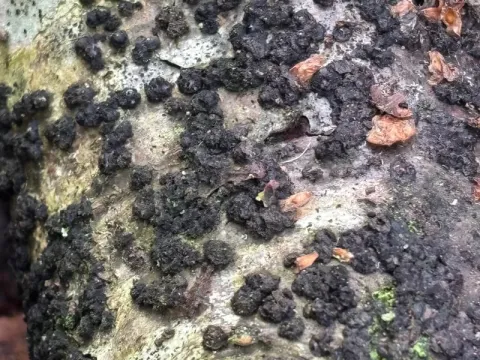
The fungus produces small, black, erumpent fruiting bodies known as perithecia, which can be seen clustered on the surface of the infected plant tissue.
Dissemination occurs via spores, which are spread by wind, rain splashes, and insects to vulnerable areas on the host plant's bark.
These fungi are frequently associated with other wood-decaying organisms, often colonizing tissues that have been previously weakened by environmental stress.
In mycological terms, Nitschkia species are recognized as part of the wood-decomposing community, with only occasional pathogenic activity on weakened woody hosts.
The most characteristic sign is the emergence of dense clusters of small, black, dot-like fruiting bodies on the bark of twigs or stems.
Affected bark may show signs of necrosis, including cracking, discoloration, and eventual peeling as the fungal colony develops beneath the surface.
Branches infected by the fungus often show signs of premature dieback, with foliage on the affected sections turning yellow or brown and dropping off.
Upon closer inspection, the presence of these black perithecia is a clear indicator of the fungal colonization of the woody host's epidermis.
Tissues underlying the infected bark may exhibit signs of degradation, feeling softer or more brittle than healthy, intact wood.
High humidity and consistent rainfall are primary environmental factors that promote the development and spore germination of Nitschkia.
Mechanical damage to the bark, such as frost cracks, sunscald, or pruning wounds, provides necessary entry points for the fungal spores to establish infection.
Plants under chronic stress, caused by drought, nutrient deficiencies, or poor site conditions, are significantly more susceptible to successful colonization.
Poor air circulation within the tree canopy keeps the bark moist for extended periods, creating an ideal microclimate for the fungus to spread.
Periods of cool, damp weather during the early spring are particularly conducive to the establishment of the fungus on newly vulnerable plant tissues.
The primary damage caused by Nitschkia is the acceleration of branch dieback, which reduces the health and structural integrity of the affected tree.
By infecting wounded areas, the fungus prevents effective callus formation, thereby hindering the natural healing process of the woody plant.
For ornamental trees, the presence of unsightly black fungal growths and necrotic bark patches significantly reduces their aesthetic and landscape value.
Persistent infection can lead to the systemic weakening of branches, causing reduced leaf cover and stunted growth throughout the growing season.
The fungus acts as a secondary colonizer, which may invite more aggressive wood-decay fungi, leading to more extensive and permanent damage over time.
Effective management requires prompt removal and destruction of all infected branches to limit the availability of inoculum in the environment.
All pruning should be performed using sterilized tools, and wounds should be treated with appropriate sealants to prevent the entry of spores.
Promoting tree vigor through balanced fertilization and proper irrigation helps the host plant maintain natural defenses against such fungal pathogens.
Thinning the canopy to improve light penetration and air circulation is crucial to ensure bark remains dry and less hospitable to fungal growth.
Preventative applications of broad-spectrum fungicides can be used in high-risk areas to protect valuable trees during the dormant season.