
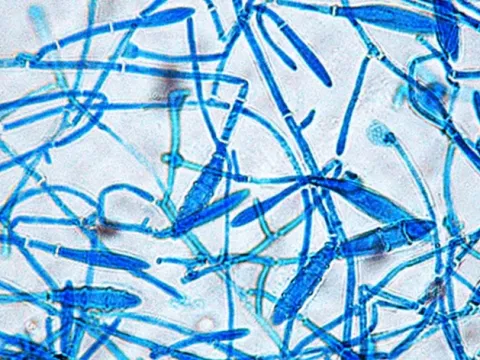
Nannizzia gypsea
Nannizzia gypsea
Nannizzia gypsea, formerly classified as Microsporum gypseum, is a geophilic dermatophyte fungus that exists primarily as a saprophyte in soil environments.
What the section contains
Nannizzia gypsea
The fungus is a member of the Ascomycota division and exhibits both asexual and sexual reproduction phases, producing macroconidia and cleistothecia in natural conditions.
It possesses an extraordinary ability to degrade keratin, an organic protein found in animal tissues, which allows it to thrive in substrates containing organic debris.
The vegetative mycelium of the fungus is characterized by rapid growth rates, which helps it establish dominance in microbial soil communities.
Due to its biological resilience, Nannizzia gypsea is highly adaptable to various environmental conditions and can survive long periods of dormancy in soil particles.
The development of Nannizzia gypsea is significantly accelerated by warm temperatures and moderate to high moisture levels in the soil.
Agricultural practices that involve the incorporation of non-sterilized organic materials, such as raw manure, provide an ideal nutrient base for the fungus.
Poorly drained greenhouse substrates create localized anaerobic pockets or excessive dampness, which promote the sporulation and spread of the pathogen.
The pathogen is highly tolerant to variations in soil pH, making it a persistent inhabitant in diverse agricultural settings across various climates.
Mechanical movement of soil particles via contaminated farm machinery and tools is a major contributor to the dispersion of this fungus across fields.
The primary concern regarding Nannizzia gypsea is its status as a zoophilic and anthropophilic pathogen, capable of causing skin mycoses in humans and animals.
In the context of agriculture, the presence of this fungus in soil poses severe health risks to workers, often necessitating stringent occupational safety protocols.
It can negatively influence crop health by competing with beneficial soil microbes and causing distress to seedlings through its metabolic byproducts.
The accumulation of this pathogen in nursery soils leads to increased costs associated with substrate sterilization, plant destruction, and safety compliance.
Economic damage is largely incurred through the loss of time and resources required to eradicate the pathogen once it has established a foothold in closed environments.
Thermal sterilization of soil, often through steam treatment, remains the most effective method for eradicating Nannizzia gypsea from growing media.
Strict sanitation protocols, including the thorough disinfection of tools, containers, and footwear, are essential to prevent the cross-contamination of clean areas.
Improved irrigation management and ventilation are critical strategies to maintain soil conditions that are unfavorable for the germination of fungal spores.
- Application of biological control agents that antagonize dermatophytes.
- Systematic laboratory testing of soil substrates for fungal presence.
- Implementation of personal protective equipment for greenhouse workers.
Preventative management also requires the careful sourcing of compost and organic amendments to ensure they are properly matured and free of keratinous contaminants.