
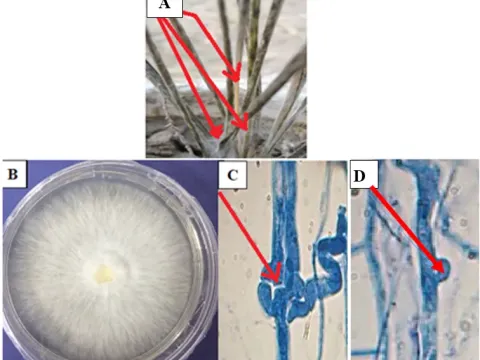
Marasmiaceae fungi
Marasmiaceae
The Marasmiaceae family consists primarily of saprotrophic fungi that play a role in organic matter decomposition. However, certain species have evolved into pathogens that can colonize and destroy living plant tissues.
What the section contains
Marasmiaceae fungi
The most infamous species is Marasmius perniciosus, which causes Witches' Broom disease. This pathogen is a significant threat to cocoa production globally and serves as a model for studying necrotrophic plant infections.
The pathogen reproduces via spores, which are disseminated by wind or splashing rain. Once spores land on a suitable host surface, they germinate and penetrate the tissue, eventually establishing a network of mycelium.
The fungus produces extracellular enzymes that break down the plant's cell walls, allowing it to extract nutrients from the host. This process systematically destroys the plant's vascular integrity.
These fungi can persist in the environment for extended periods within plant debris or soil, acting as a constant reservoir of inoculum for healthy plants in the vicinity.
The most visible symptom of Marasmiaceae infection is the development of proliferation, known as a 'witches' broom'. This consists of dense, bushy clusters of deformed and stunted shoots.
Leaves on infected branches often show signs of chlorosis or necrosis and may drop prematurely. The internal tissues of infected stems often exhibit browning and softening due to rotting.
Under humid conditions, small, leather-like fruiting bodies may appear on the surface of dead or dying plant parts. These structures are a key identifier for the presence of the fungus.
Root system infection leads to reduced nutrient uptake, resulting in overall wilting. In advanced stages, the plant cannot recover its turgor, leading to death of the root system and eventual decline.
Infected fruits or pods may display dark lesions, distorted growth, and rot, significantly impacting the quality and quantity of the harvest.
High humidity and high rainfall are the primary environmental drivers for the development and spread of Marasmiaceae fungal infections. These conditions are critical for spore germination.
Lack of proper airflow within the canopy or planting area creates an environment that maintains moisture for longer periods, significantly increasing the probability of new infections.
Moderate temperatures, often found in tropical or sub-tropical regions, provide the optimal range for the rapid growth of fungal hyphae through plant tissues.
Physical injuries, whether from pruning, pest damage, or environmental stressors, create entry points for the fungus, making vulnerable plants easy targets for colonization.
Poor agricultural practices, such as failing to remove infected material or failing to maintain soil health, allow the fungus to proliferate and remain active in the agroecosystem.
The damage caused by these fungi is profound, as they directly disrupt the transport of essential water and minerals. This leads to a severe physiological breakdown of the plant.
In cocoa and coffee plantations, these fungi can reduce yields by over 50 percent. The economic impact is further exacerbated by the potential loss of entire high-value crops.
Infected plants suffer from stunted growth and reduced vigor, which hinders their capacity for future production. The persistent nature of the infection often leads to long-term decline.
The structural damage caused by 'witches' brooms' and stem rot makes the plants susceptible to secondary infections by other fungi and bacteria, further accelerating the plant's decay.
Rehabilitation of affected areas is both costly and labor-intensive, often requiring years of diligent maintenance to clear the inoculum from the field.
Rigorous sanitation, including the frequent pruning and immediate removal of all infected branches and debris, is the single most effective method for controlling the disease.
Implementing proper spacing between plants ensures adequate ventilation and air movement, which helps keep plant surfaces dry and reduces the chances of infection.
Preventative fungicide applications, particularly those containing copper, can be used to protect healthy plants and prevent the germination of spores during the peak season of moisture.
Balanced fertilization and good soil management promote plant immunity. A healthy, robust plant is significantly more resistant to fungal invasion than one stressed by nutrient deficiencies.
Maintaining a clear site, implementing crop rotation where possible, and removing potential weed reservoirs are essential steps to keep the pathogen population at a manageable level.