
Leucoscypha
Leucoscypha
Leucoscypha is a genus of fungi belonging to the Pyronemataceae family. In agricultural settings, it is recognized as a fungal pathogen that can infect plants, particularly when they are stressed or in suboptimal growing conditions.
What the section contains
Leucoscypha
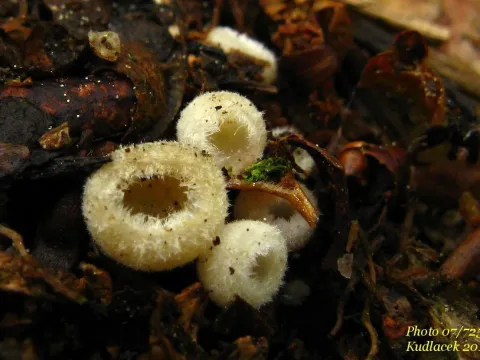
The fungus produces characteristic small, cup-shaped apothecia, often covered with fine white hairs. These structures facilitate the release and spread of spores throughout the soil and plant environment.
It survives as both a saprotroph and a facultative pathogen. It colonizes organic matter in the soil but can transition to infecting living tissue when the environment becomes highly conducive to fungal growth.
The pathogen spreads through wind-borne spores or via water splash, which carries fungal material to the base of the stems. Once established in the soil, it is difficult to eradicate without specific intervention.
Biologically, the fungus thrives on decaying organic material. This makes fields with poor residue management or high organic matter content more susceptible to colonization during damp periods.
Visible symptoms include the presence of small, white, cup-shaped fruiting bodies appearing on the soil surface near the stem base. This is a definitive diagnostic indicator of the fungus's presence.
Affected plant tissues become soft and watery. This decay often occurs at the root neck, leading to the collapse or "damping-off" of seedlings and young plants.
Under high humidity, a fine, cobweb-like mycelial mat may develop at the base of the stem. This white fungal network is the vegetative body of the pathogen actively feeding on the plant tissue.
Leaves of infected plants start to yellow prematurely, beginning from the bottom of the plant. This is followed by a general loss of turgor pressure as the roots fail to conduct water effectively.
In advanced stages of infection, the root system shows signs of rot, appearing darkened and slimy. The lack of functional roots makes it impossible for the plant to recover even with adequate irrigation.
Excessive soil moisture is the primary condition promoting Leucoscypha outbreaks. Poor drainage and over-irrigation create a moist microclimate that favors spore germination and mycelial spread.
Accumulation of uncomposted plant debris on the soil surface provides an abundant food source for the fungus. These organic fragments serve as a starting point for the pathogen to establish a foothold.
Temperatures ranging from 15°C to 20°C are generally considered optimal for the fungus's active growth. However, its spores are hardy and can endure various environmental conditions.
Poor ventilation, especially in greenhouse environments, significantly increases the risk of infection. High relative humidity and still air allow the fungus to proliferate rapidly across a crop canopy.
Heavy or compacted soils that lack proper aeration are particularly prone to this fungal infection because they remain wet for longer periods, preventing the soil from drying out sufficiently.
The primary harm caused by Leucoscypha is the significant loss of seedlings. This is particularly devastating in nurseries where young plants are most vulnerable to soil-borne pathogens.
In protected agriculture, the fungus can spread rapidly throughout the entire growing area if not managed promptly, leading to substantial yield reductions and total loss of commercial crops.
Infected adult plants experience severe stress, leading to stunted growth and lower fruit quality. The destruction of the root system limits the plant's ability to absorb essential nutrients.
The infection creates wounds and pathways that allow secondary pathogens, such as bacteria and other fungi, to enter the plant, complicating the diagnostic process and treatment.
Financial losses for farmers are high due to the cost of fungicide applications, the need for soil sterilization or replacement, and the loss of labor and investment in the affected crop.
Effective management begins with improving soil drainage and ensuring proper irrigation techniques. Keeping the soil surface dry is the most effective way to prevent infection.
Rigorous field hygiene is essential. Removing all crop residues after harvest prevents the fungus from maintaining its population in the soil from one season to the next.
Application of fungicides should be performed at the first signs of symptoms. Using targeted products that act on soil-borne fungi is crucial for controlling the disease spread.
Crop rotation helps disrupt the life cycle of the pathogen. Rotating susceptible plants with non-host crops prevents the buildup of the fungus in the soil profile.
Using biological control agents, such as beneficial microbes or antagonistic bacteria, can help establish a competitive microflora that suppresses the growth of Leucoscypha in the rhizosphere.