
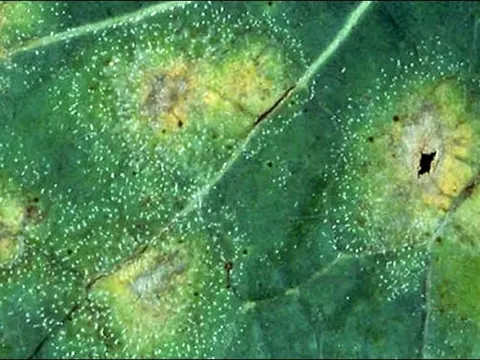
Cylindrosporiosis
Kylindria
The pathogen responsible for Cylindrosporiosis belongs to the Cylindrosporium genus of imperfect fungi. It is a specialized parasite that targets specific botanical families, leading to significant foliage damage.
What the section contains
Cylindrosporiosis
The fungus infiltrates the leaf tissue, primarily through stomata, and develops an extensive mycelial network in the intercellular spaces. This disruption severely affects the host's normal physiology.
Reproduction occurs via conidia produced in small, blister-like structures called acervuli on the leaf surface. These spores are easily disseminated by wind, rain splashes, and insects.
The pathogen overwinters as mycelium or spores within plant debris, specifically fallen leaves and infected woody parts. This allows the fungus to reappear reliably each season.
Being a necrotrophic pathogen, it releases toxins that kill plant cells ahead of the growing mycelium, creating the characteristic necrotic spots seen on the leaves.
The initial symptoms include the appearance of small, circular, or irregular spots on the upper leaf surface. These spots are usually brown, reddish-brown, or greyish in color.
Often, a distinct yellowish chlorotic halo surrounds the spot as the plant tissue reacts to the fungal toxins. In humid weather, the center of the spots may develop a visible fungal coating.
Stems and young twigs may develop elongated, sunken, or dark lesions. These lesions can cause the bark to crack, leading to the weakening or death of the shoot tips.
Heavy infections cause premature defoliation, where leaves drop off mid-summer. This premature senescence prevents the plant from storing nutrients for the dormant season.
Fruit infestation is also possible, showing small, depressed, and discolored spots. Such fruit loses marketability and is prone to secondary fungal and bacterial rot during storage.
High relative humidity and consistent rainfall are the primary drivers for the spread of Cylindrosporiosis. Water films on leaf surfaces are essential for spore germination.
Moderate temperatures ranging from +15°C to +25°C provide the optimal environment for the rapid colonization of host tissues and the production of new spore generations.
Poor aeration in dense plantings, lack of pruning, and excessive weed growth create microclimates where humidity remains high, favoring the rapid expansion of the pathogen.
Cultural practices that maintain wet conditions around the base of the plant or in the lower canopy significantly increase the risk of an outbreak during wet seasons.
Injuries caused by improper pruning or environmental stress (hail, late frosts) provide easy entry points for the pathogen to establish and spread throughout the host.
The primary detrimental effect is the loss of photosynthetic area due to early leaf drop. This reduces the plant's ability to produce energy, impacting growth and fruit quality.
Chronic infection weakens the overall vigor of trees and shrubs, leading to reduced winter hardiness. Infected plants are much more likely to die during cold winter months.
Fruit yield is significantly reduced both in quantity and quality. The fruit often fails to reach its full size, exhibits poor color, and has an inferior taste profile.
Repeated yearly infections can lead to the "die-back" of limbs and, eventually, the total collapse of the tree or bush, requiring costly removal and replanting.
The disease causes substantial economic losses for commercial growers due to the high costs of regular fungicidal intervention and the depreciation of the harvested produce.
Effective management starts with the consistent application of copper-based or synthetic systemic fungicides at key developmental stages, especially during early leaf expansion.
Strict sanitation is critical: all fallen leaves and infected twigs must be raked, removed, and burned to destroy the primary source of the fungal inoculum.
Proper orchard management, including thinning of the crown to improve air circulation and sunlight exposure, is vital for drying out foliage and slowing fungal growth.
Balanced fertilization, particularly with potassium and phosphorus, helps improve the plant's structural integrity and its natural defense mechanisms against pathogens.
Integrating resistant cultivars into the growing program is the most sustainable approach, minimizing the need for heavy chemical spray schedules over time.