
Cylindrosporium leaf spot
Cylindriaceae
Description
Symptoms
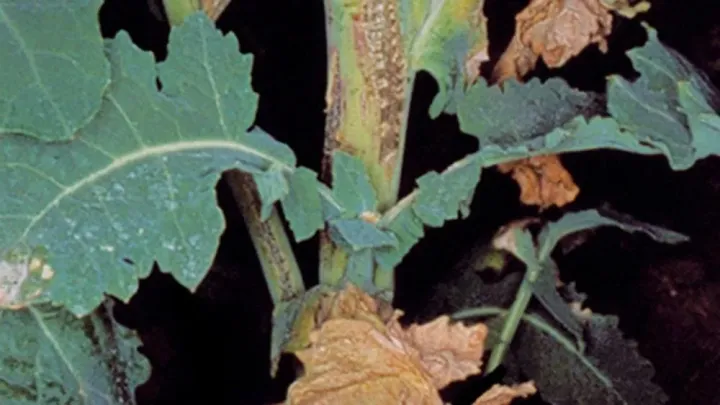
The hallmark of Cylindrosporium infection is the appearance of distinct spots on leaves, which typically transition from small, chlorotic flecks to larger, necrotic, dark-colored lesions.
On the underside of the affected leaf areas, tiny, white or greyish tufts of fungal fruiting structures, known as acervuli, develop, indicating active sporulation.
As the disease progresses, these lesions may merge, causing extensive leaf yellowing, tissue death, and premature defoliation, which severely reduces the photosynthetic capacity.
In some cases, the disease affects stems, branches, or fruits, manifesting as shallow ulcers or sunken spots that can facilitate secondary infections by other microorganisms.
When the infection is severe, the affected organs may shrivel or drop off entirely, significantly distorting the normal growth pattern of the plant.
Pathogen
Cylindrosporium leaf spot is a fungal infection caused by various species of the Cylindrosporium genus, which are categorized as anamorphic fungi within the class Hyphomycetes.
The pathogen primarily overwinters as mycelium or conidia in crop debris, fallen leaves, and infected stems remaining in the field after the harvest season.
During the spring season, moisture and warming temperatures trigger the production of conidia, which are then disseminated by wind, rain splashes, and insect vectors to new plant hosts.
The fungus is highly specialized, with different species targeting specific host plants, including fruit trees like cherries or agricultural crops such as oilseed rape and various vegetables.
Once landing on a suitable surface, the spores germinate and penetrate the host plant tissues, establishing an infection that gradually compromises the plant's structural and metabolic integrity.
Conditions for development
Cylindrosporium development is heavily reliant on environmental factors, with high humidity and moderate temperatures being the primary drivers of epidemic spread.
Prolonged rainy periods, heavy morning dews, and persistent fogs are ideal conditions, as they provide the necessary surface moisture for spore germination.
Optimal fungal growth typically occurs within a temperature range of 15 to 22 degrees Celsius, making spring and early autumn high-risk periods for active infections.
Poor field management, such as excessive crop density, creates a humid microclimate within the canopy, which significantly accelerates the transmission of the fungus between plants.
Plant susceptibility increases under conditions of nutritional stress, particularly when plants lack adequate potassium or other essential micronutrients that support cell wall strength.
Why it matters
The primary economic impact of Cylindrosporium is a significant reduction in yield due to diminished photosynthetic efficiency and total leaf area loss.
Affected plants often show stunted growth, reduced vigor, and a decreased ability to allocate energy towards grain filling or fruit development.
If the disease occurs early in the growing season, it can lead to stunted plant development and even mortality in younger or more sensitive varieties.
Quality reduction is another major concern, as the produce may show disfigurement, lower storage potential, or an unappealing appearance, leading to marketability losses.
In perennial crops, repeated annual infections can weaken the entire plant, making it more vulnerable to winter cold and other secondary environmental stresses.
Protection
Effective control strategies rely on integrated pest management (IPM), starting with a robust crop rotation plan that avoids host plants for several seasons.
Sanitation is critical, involving the thorough removal, destruction, or deep burial of all crop residues to eliminate the primary sources of the fungal inoculum.
The application of systemic or contact fungicides is often necessary during periods of high disease pressure to protect the foliage and prevent the secondary spread of spores.
Selecting and planting resistant or tolerant cultivars remains the most sustainable and cost-effective approach for long-term disease management.
- Monitor fields regularly during periods of high humidity.
- Maintain balanced soil fertility to boost plant defense mechanisms.
- Ensure adequate plant spacing to facilitate airflow and rapid drying of foliage.
Discussion
No discussions yet — be the first.