
Hymenogaster
Hymenogaster
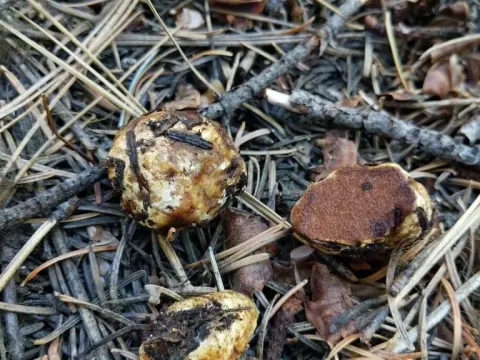
Hymenogaster is a genus of hypogeous fungi belonging to the Hymenogastraceae family. These fungi are well-known for their symbiotic relationships, primarily forming ectomycorrhizal associations with the root systems of various tree species, such as oaks, pines, and beeches.
What the section contains
Hymenogaster
The fungus develops its fruiting bodies beneath the soil surface, appearing as small, fleshy, tuber-like structures. These bodies release spores which are essential for the fungus to propagate and colonize new root environments within the forest or nursery floor.
While Hymenogaster is largely beneficial, in some agronomic conditions—particularly in high-intensity nurseries—the fungal mycelium can grow excessively. This overgrowth can shift from a symbiotic interaction to one that places metabolic stress on the host plant's roots.
The fungus relies on specific environmental cues to initiate the formation of fruiting bodies. This biological cycle is closely tied to the host tree's root exudates, which provide the necessary carbon compounds for the fungus to thrive and reproduce.
Microscopically, Hymenogaster is characterized by complex, chambered fruiting bodies containing dark-colored spores. The texture of these bodies ranges from firm to spongy, depending on the moisture content and the level of maturation.
Visible symptoms are difficult to detect due to the subterranean nature of the fungus. Primary identification involves inspecting the rhizosphere of affected seedlings, where white or greyish fungal threads (mycelial strands) may be observed adhering to the roots.
Above-ground symptoms in seedlings may include stunted growth, chlorosis, or general yellowing of the foliage, suggesting a nutrient uptake imbalance caused by root system colonization.
Signs of fungal presence often include small holes or disturbed soil around the base of trees, typically caused by rodents searching for the nutrient-rich, subterranean fruiting bodies of the fungus.
Excavating the soil around the primary root zone often reveals the presence of small, globose fruiting bodies. These bodies often emit a distinct, sometimes pungent scent that intensifies as they mature.
In a nursery setting, lab analysis of root tips will show the formation of mantle structures and Hartig nets, which confirm the presence of ectomycorrhizal fungi interacting with the vascular tissues of the plant.
Hymenogaster thrives in well-aerated, humus-rich soils. It prefers environments that remain consistently moist but well-drained, as excessive saturation can inhibit the aeration required for optimal mycelial respiration.
The temperature range optimal for growth and sporulation lies between 15°C and 22°C. During these conditions, the fungus shows maximum activity in exchanging nutrients with the host tree.
Soil pH plays a critical role in the distribution of the genus; most species show a preference for neutral to slightly acidic soil conditions. Significant deviations in pH can negatively impact the density of the mycelial network.
The presence of host trees is non-negotiable for the survival of the fungus, as it is an obligate partner in the mycorrhizal network. The lack of host root exudates will lead to a rapid decline in the fungal population.
Soil disturbance, such as deep tilling or heavy compaction, disrupts the delicate mycelial architecture, often leading to a reduction in the abundance of Hymenogaster within the nursery soil.
The primary concern regarding this fungus is the competitive pressure it may exert on young or weak plants. Excessive fungal biomass on the root surface can act as a physical barrier, restricting the uptake of essential water and minerals.
During periods of extreme heat or drought, infected seedlings may show reduced resilience, leading to wilting. This is often an indirect effect of the fungus competing for moisture within the immediate root zone.
If the mycorrhizal balance is disrupted, the roots become more susceptible to colonization by opportunistic pathogens that can cause root rots and collar diseases, ultimately reducing the health of the nursery stock.
Economic impact is mainly associated with the necessity for increased management and potential loss of growth rate in premium-quality tree seedlings, which are sensitive to root zone imbalances.
It is important to note that Hymenogaster itself rarely causes plant mortality. However, it can significantly alter the vigor of young trees, making them less competitive during early development stages.
Preventive management focuses on optimizing soil fertility and moisture control. Avoid the overuse of synthetic nitrogen fertilizers, as they can discourage the formation of healthy mycorrhizal networks and force fungi into aggressive, non-beneficial growth patterns.
Adding organic mulch helps stabilize soil temperature and moisture, fostering a diverse microbial community that prevents any single fungal species from becoming overly dominant in the rhizosphere.
If growth suppression is observed, improving soil aeration is a recommended cultural practice. This supports overall root health and encourages the plant's natural defense mechanisms against excessive colonization.
Integrated pest management strategies should include regular phytosanitary inspections of the root zones to ensure that the fungal population remains in a symbiotic, rather than a competitive, state.
- Maintain balanced moisture levels via drip irrigation.
- Avoid deep cultivation near the tree root zone.
- Monitor for rodent activity which indicates fungal fruiting.
- Use organic soil amendments to balance the microbiota.