
Herpobasidium
Herpobasidium
The disease is caused by fungi of the genus Herpobasidium, which are specialized basidiomycetes. These pathogens primarily target woody ornamentals and certain shrubs, such as honeysuckle.
What the section contains
Herpobasidium
The pathogen's life cycle is characterized by the production of basidia and spores that facilitate its spread. It exists as a parasite, extracting nutrients from the host tissues.
The fungus overwinters primarily in infected plant debris and fallen leaves, which act as a reservoir for infection when favorable conditions return in spring.
The fungal mycelium invades the epidermis and mesophyll of leaves, causing significant internal damage that disrupts the plant's metabolic functions.
It is capable of producing multiple spore cycles within a single growing season, allowing for rapid colonization of susceptible plant species if environmental conditions are conducive.
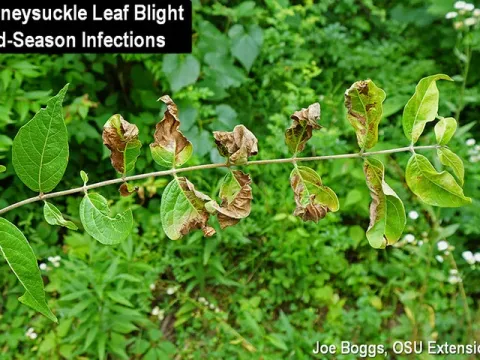
The most common symptoms include the appearance of irregular spots on the foliage. These spots can range from pale yellow to dark brown as they progress.
A distinctive white, velvety coating often appears on the underside of the leaves, which constitutes the fungal spore mass, a clear indicator of active infection.
As the infection advances, leaves exhibit curling, wilting, and premature necrosis. This structural failure of the leaf tissue hampers the plant's ability to perform photosynthesis.
In cases of severe infestation, young shoots may become stunted, twisted, or distorted, and terminal buds may eventually die off completely.
Premature leaf drop is a hallmark sign of advanced disease, which severely taxes the plant's energy reserves and leaves it susceptible to winter damage.
High humidity and moderate temperatures provide the ideal environment for the proliferation of Herpobasidium. Persistent rainfall and fog are key triggers.
Poor aeration within dense foliage creates a localized microclimate where moisture persists on leaf surfaces, allowing spores to germinate and penetrate the host tissue.
Plants that are weakened due to poor soil fertility, improper planting density, or environmental stress are significantly more susceptible to infection.
The spread of the fungus is facilitated by wind and splashing water, which distribute spores from contaminated debris to healthy leaves and branches.
The highest risk of infection occurs during the rapid growth phase of the plant, when tissues are tender and easier for the pathogen to penetrate.
This fungal disease causes significant damage to ornamental and berry-bearing plants, directly affecting their overall health, growth vigor, and aesthetic appeal.
The reduction in photosynthetic leaf area leads to a decrease in stored energy, which limits the plant's ability to produce flowers and fruit in subsequent seasons.
For commercial growers and nursery managers, the disease represents a loss of productivity and marketability due to the unsightly foliage and stunted growth.
Chronically infected plants become progressively weaker, which can eventually lead to the death of the specimen, especially if compounded by harsh environmental conditions.
In addition to physical damage, the disease forces the plant to divert energy toward defense, further hindering normal development and increasing susceptibility to other pests.
The most effective management strategy involves rigorous sanitation, including the removal and destruction of all fallen leaves and infected plant shoots.
Maintaining proper plant spacing is essential to ensure adequate airflow, which prevents the build-up of the humidity levels required by the fungus.
Chemical control involving copper-based fungicides or systemic anti-fungal treatments is recommended during the early spring and active growth stages.
Preventative measures are critical; applying fungicides before the appearance of symptoms can significantly reduce the impact of the disease.
- Sanitary pruning of infected parts
- Proper garden maintenance and leaf removal
- Application of systemic fungicides
- Improvement of soil and air circulation