
Harpochytrium
Harpochytrium
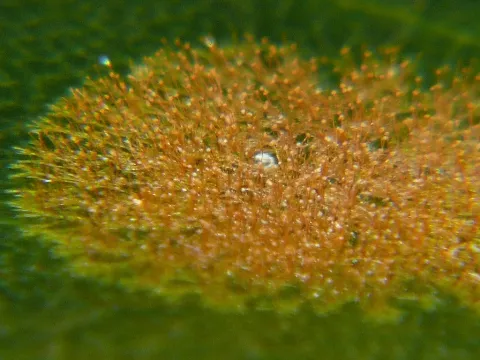
Harpochytrium is a genus of fungus-like organisms classified within the Chytridiomycota phylum. These organisms are obligate epibionts that parasitize the surface of various algae and microscopic aquatic plants.
What the section contains
Harpochytrium
The biological structure of Harpochytrium features a specialized attachment apparatus. This allows the organism to anchor firmly to the host's cell wall while absorbing nutrients via osmosis without penetrating deep into the host's tissue.
The life cycle involves a motile zoospore stage. These spores use flagella to navigate the aquatic environment, actively seeking out suitable host cells to establish a new infection.
Reproduction is facilitated by the formation of zoosporangia. Once mature, these structures release numerous zoospores into the water column, enabling the pathogen to spread rapidly across aquatic populations.
In aquatic science, Harpochytrium is a subject of significant interest as it acts as a natural regulator of phytoplankton dynamics in various water bodies.
The primary symptom of infection is the presence of visible, sickle-shaped or elongated appendages on the surface of algal cells. These are the vegetative thalli of the parasite.
Host cells often exhibit visible signs of metabolic stress, including stunted growth, decreased division rates, and gradual chlorosis (loss of pigmentation).
Mass infestations can result in the discoloration or degradation of algal colonies, which is often visible as a change in water turbidity or the presence of organic debris.
Microscopic examination of water samples is the standard diagnostic tool, revealing the characteristic morphology of the sporangia attached to the host algae.
In advanced stages, the host cell integrity is compromised, making it susceptible to secondary opportunistic infections by bacteria or other aquatic microorganisms.
The spread of Harpochytrium is highly dependent on host density. Higher concentrations of phytoplankton in the water create an ideal environment for zoospores to find and infect new hosts.
Water temperature plays a crucial role in the development cycle. Moderate to warm temperatures generally accelerate the pathogen's metabolism, shortening the time required for sporulation.
Organic enrichment of the water column provides supplementary nutrients that can boost the proliferation of the parasite population, even when host availability fluctuates.
Light availability influences the vigor of the algal hosts. Reduced light conditions weaken the algae, making them significantly more prone to parasitic attachment.
Water circulation and currents assist in the dispersal of zoospores, allowing the pathogen to colonize extensive areas of a pond or reservoir within a short timeframe.
The primary impact of this pathogen is the reduction of primary productivity in aquatic ecosystems, which disrupts the fundamental base of the food web.
Heavy infections can lead to the widespread death of phytoplankton, causing shifts in dissolved oxygen levels and potentially inducing hypoxic conditions detrimental to fish and invertebrates.
In aquaculture environments, the loss of healthy phytoplankton populations reduces the available food source for cultured fish, negatively affecting growth and overall survival rates.
Persistent infestation often leads to long-term changes in the species composition of the aquatic community, altering the ecological balance of the habitat.
Increased decomposition of dead organic matter resulting from algal collapse requires additional maintenance for water quality and aeration systems.
Proactive management involves maintaining optimal water chemistry and preventing eutrophication, which minimizes the triggers for massive algal blooms and subsequent parasitic outbreaks.
Regular surveillance and monitoring of the phytoplankton community allow for the early detection of infection trends and the implementation of timely mitigating actions.
In closed aquaculture systems, physical treatment methods like mechanical filtration and UV-C sterilization are highly effective at neutralizing zoospores in the water column.
Promoting a balanced ecosystem by fostering populations of natural predators or competitors can provide a long-term biological buffer against excessive pathogen growth.
If an outbreak is detected, water quality adjustments, such as controlled nutrient reduction or altered flow patterns, can create less favorable conditions for the survival of the pathogen.