
Hart's tongue fern rust
Milesina scolopendrii
Description
Symptoms
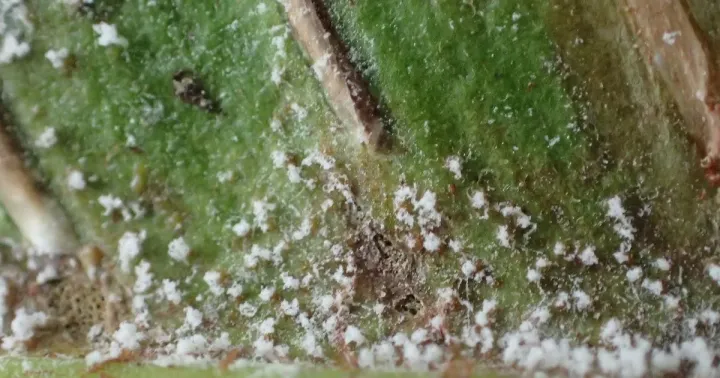
The most distinctive symptom of rust is the emergence of small, raised pustules on the undersides of the fronds. These pustules are typically yellow to reddish-brown in color, representing the spore mass of the fungus.
As the infection progresses, corresponding chlorotic (yellowing) spots appear on the upper surface of the fronds directly above the pustules. Over time, these areas may turn necrotic and brown.
Severe infestations often cause the fronds to curl, distort, and wither prematurely. This decline in plant health is visually unappealing and detrimental to the plant's overall vigor.
Early identification is often difficult because the fungus resides internally before breaking through the epidermis to release spores. Regular monitoring of the foliage is essential for early detection.
In advanced cases, the entire canopy of the fern can become covered in rust spores, significantly impeding the plant's photosynthetic capacity and leading to a rapid decline.
Pathogen
The disease is caused by the specialized fungal pathogen Milesina scolopendrii, which belongs to the class of rust fungi (Uredinales). It is a highly specific parasite that primarily targets ferns of the Phyllitis genus, especially Phyllitis scolopendrium.
The fungus progresses through several life stages, producing different types of spores that allow it to colonize new plant tissues. The pathogen remains active by drawing nutrients directly from the host's cellular structures.
In temperate climates, the fungus can overwinter as mycelium within the persistent fronds of evergreen ferns or on infected plant debris left in the garden soil.
Once established, the fungus forms sori (pustules) on the underside of the fern fronds. These structures serve as the primary source of inoculum for further disease spread through wind and splashing water.
Understanding the life cycle of Milesina scolopendrii is crucial for gardeners and nursery growers to implement timely and effective phytosanitary measures.
Conditions for development
Favorable conditions for the development of Milesina scolopendrii include high relative humidity and moderate temperatures. The fungus thrives in damp environments where moisture persists on leaf surfaces.
Periods of heavy dew, mist, or frequent overhead irrigation are primary triggers for spore germination. The presence of water droplets on the fronds is essential for the pathogen to successfully infect the plant tissue.
Poor ventilation, caused by overcrowding or stagnant air, creates a microclimate that remains humid for long periods, significantly accelerating the spread and colonization of the fungus.
In greenhouses or indoor collections, lack of proper airflow is a major contributing factor to the persistence and rapid transmission of rust between plants.
Plants that are stressed due to poor soil conditions, nutritional deficiencies, or lack of proper light are significantly more susceptible to infection by this rust fungus.
Why it matters
The primary harm caused by this rust is the physiological exhaustion of the fern. By consuming energy and disrupting photosynthesis, the pathogen severely weakens the host plant.
In decorative fern collections, the loss of foliage density and the presence of unsightly lesions drastically reduce the ornamental value of the plants, often making them unsuitable for display or sale.
Prolonged infection makes ferns highly vulnerable to secondary stressors, such as winter frost or drought, increasing the likelihood of mortality in the garden.
For professional growers, the disease presents a significant economic threat due to the costs associated with fungicide applications, labor for cleaning, and the loss of inventory.
The rapid dispersal of spores means that a single infected plant can quickly become a source of infestation for an entire collection, posing a high risk to the biosecurity of the garden.
Protection
Sanitation is the cornerstone of managing Hart's tongue fern rust. All infected fronds should be promptly removed and destroyed to reduce the local spore population.
Improving cultural practices is vital. Ensuring adequate spacing between plants promotes airflow and helps keep foliage dry, which makes the environment less favorable for fungal growth.
Switching from overhead watering to ground-level irrigation is highly recommended to prevent water from splashing onto the fronds, thereby breaking the cycle of spore dissemination.
Fungicides containing copper or sulfur, as well as systemic treatments, can be used as a preventative or curative measure when applied according to label instructions during the early stages of disease onset.
- Regularly inspect the undersides of fronds for rust-colored pustules.
- Remove and dispose of all infected plant materials safely.
- Maintain proper spacing to improve air circulation in the garden.
- Avoid overhead watering; use drip or soil-level irrigation instead.
- Apply appropriate fungicides if an outbreak occurs.
Discussion
No discussions yet — be the first.