
Geastrumia
Geastrumia
Geastrumia (lat. Geastrumia) is a genus of imperfect fungi categorized under the group of Deuteromycetes. The primary species of agricultural interest is Geastrumia polystigmatis, which acts as a specialized plant pathogen affecting various foliage types.
What the section contains
Geastrumia
The pathogen is characterized by its ability to form localized reproductive structures directly on the host tissue. These structures are designed to release conidia, which facilitate the rapid spread of the fungus throughout the canopy.
The fungal mycelium infiltrates the intercellular spaces of leaves, disrupting normal physiological activities. By secreting enzymatic complexes, the fungus degrades plant cell walls to access nutrients, thereby causing tissue damage.
Survival strategies of Geastrumia involve the formation of dormant resting structures that persist in decaying plant debris. This biological resilience allows the pathogen to endure unfavorable weather and remain viable until the next growing season.
Phylogenetically, the genus is linked to several other foliage-attacking fungi, and it acts as an obligate or semi-obligate parasite in its specific host environments. It is recognized as a significant factor in localized leaf spot diseases.
The primary symptom of infection is the development of distinct spots on the leaf surface. These spots are usually dark in color, appearing brown or black, and are often surrounded by a chlorotic halo caused by fungal toxins.
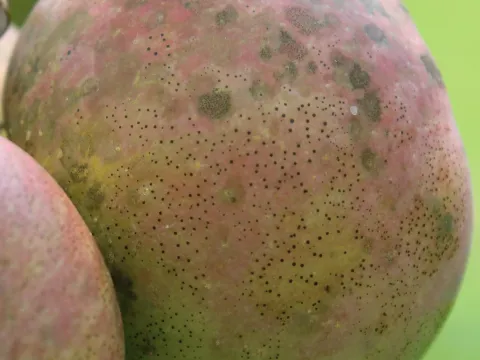
As the infection progresses, small, dark fruiting bodies emerge from the necrotic tissue. These structures are often visible to the naked eye as minute dots scattered across the leaf blade, which serve as the primary source of secondary inoculum.
Leaves affected by the fungus tend to lose their structural integrity. They become brittle and discolored, leading to premature wilting and abscission, which significantly reduces the photosynthetic capacity of the plant.
Deformation of the leaf blade is common in cases of severe infestation. The leaves may curl or fold as the fungus colonizes the parenchyma tissue, disrupting the vascular flow in the affected area.
Microscopic examination reveals dense clusters of hyphae and conidiophores that protrude through the plant epidermis. This characteristic appearance is a key diagnostic feature for confirming the presence of Geastrumia.
Environmental conditions characterized by high humidity are the main drivers of pathogen propagation. Prolonged leaf wetness, caused by heavy rain, fog, or dew, provides the necessary medium for conidia germination.
Temperatures ranging from 18°C to 25°C are considered optimal for the rapid growth of the mycelium. During these periods, the pathogen can complete its life cycle in a relatively short timeframe, leading to rapid disease development.
Poor aeration within the canopy is a major factor that exacerbates the disease. Dense foliage prevents proper air circulation, keeping humidity levels consistently high and creating a favorable microclimate for the spread of spores.
Plants with mechanical injuries, such as those caused by hail or insect feeding, are significantly more susceptible to infection. These wounds provide easy entry points for the pathogen into the deeper layers of plant tissue.
Nutrient imbalance, particularly a deficiency in essential minerals, can weaken the plant's natural defense mechanisms. Plants under stress show significantly higher infection rates compared to healthy, well-nourished specimens.
The primary harm caused by Geastrumia is the significant loss of foliage, which weakens the plant before the dormant season. This exhaustion of reserves negatively impacts the plant's growth and vigor in subsequent years.
Yield reduction is a common consequence of chronic infection, especially in fruit-bearing trees. The decrease in photosynthetic output directly limits the plant's ability to produce high-quality fruits or flowers.
In ornamental plants, the infection destroys the visual appeal, causing unsightly lesions and premature leaf drop. This renders the plants unsuitable for commercial use or landscaping purposes.
Long-term infestation can lead to the dieback of shoots and branches due to the cumulative stress placed on the host. If left untreated, the disease can cause severe stunting and, in extreme cases, the death of the plant.
Additionally, the buildup of fungal inoculum in the litter layer of the garden serves as a permanent reservoir for the disease. This requires ongoing management efforts to prevent annual outbreaks in the surrounding areas.
The first line of defense is the rigorous sanitation of the growing site. Collecting and disposing of fallen leaves is essential, as the fungus overwinters primarily in this organic matter, and removing it breaks the life cycle.
Pruning is an effective cultural practice to enhance canopy aeration. By improving airflow and light penetration, the environment becomes less hospitable for the pathogen, significantly slowing the rate of infection.
Chemical control using fungicides, particularly those containing copper, is effective when applied preventively. Strategically timed sprays during the early spring and summer help protect new growth from colonization.
Maintaining optimal soil health and plant nutrition ensures the plant maintains its natural resistance. Balanced fertilization, especially with adequate potassium, strengthens cell walls and improves overall plant immunity.
- Regular monitoring of foliage for early signs of lesions
- Application of systemic fungicides during the infection peak
- Use of disease-resistant varieties if available in the region
- Strategic pruning to minimize humidity trapped in the canopy