
Geastrumia polystigmatis
Geastrumia polystigmatis
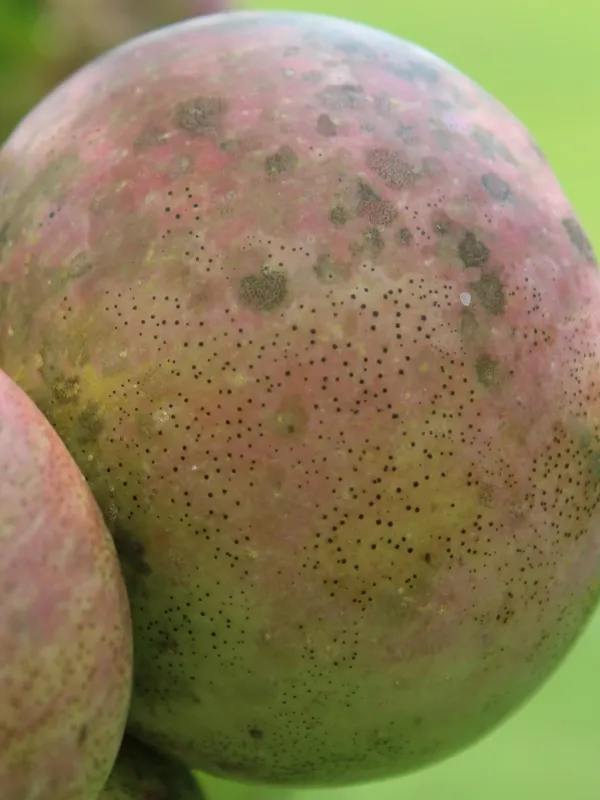
Description
Symptoms
Initial symptoms include the appearance of small, distinct spots on the leaf surface. These spots are often circular or irregular and may vary in color depending on the host species.
A hallmark sign of Geastrumia polystigmatis infection is the formation of tiny, dark-colored reproductive bodies within the center of the leaf spots, making the infected area look speckled.
As the disease progresses, the leaf tissue surrounding the spots begins to yellow due to the interference with chlorophyll production and overall stress on the plant.
In severe cases, the infected leaves may develop necrotic patches that merge together. This leads to the eventual browning and drying of the leaf, which often precedes premature abscission.
Visible changes are also observed on stems or shoots in some susceptible species, where the fungus causes localized lesions that may impede the movement of water and nutrients.
Pathogen
The disease is caused by the fungus Geastrumia polystigmatis. This pathogen belongs to the group of fungi known for causing various types of leaf spot diseases in different vegetation types.
The life cycle of the pathogen is centered on its ability to overwinter in organic debris. As temperatures rise in the spring, the fungus begins to produce spores that are disseminated to healthy plant tissues.
Once settled on a host plant, the fungus develops a mycelium that penetrates the epidermal layers. It utilizes specialized enzymes to break down plant cell walls, allowing it to absorb nutrients for its growth.
The fungal structures, such as pycnidia, often appear on the surface of the infected areas. These structures are essential for the survival and multiplication of the fungus, ensuring its presence in the ecosystem.
Dispersal primarily occurs through rain splash and wind, which carry the spores from infected leaves to healthy parts of the plant or neighboring plants in the vicinity.
Conditions for development
Humidity is the most critical factor for the development of Geastrumia polystigmatis. Frequent rain, high atmospheric moisture, and heavy morning dew create the perfect environment for spore germination.
Poor air circulation within plant canopies is a major contributor to the spread of the infection. When plants are spaced too closely, the moisture trapped among leaves remains for extended periods.
Temperature plays a significant role in the fungus's lifecycle. It thrives in moderate temperatures, typically between 18°C and 25°C, which align with the peak growing season of many host plants.
Weakened plants are significantly more susceptible to infection. Environmental stressors such as poor soil nutrient balance or drought followed by heavy rain can lower the plant's natural defenses.
The pathogen takes advantage of any structural weaknesses, such as insect punctures or abrasions, to enter the internal tissues of the host plant more efficiently.
Why it matters
The primary damage caused by this fungus is the reduction of the plant's photosynthetic capacity. When a significant portion of the foliage is affected, the plant cannot produce enough energy to support growth.
In agricultural settings, this results in lower yields and poor fruit quality. The plant redirects energy to repair tissues rather than focusing on production, leading to smaller or lower-quality harvests.
For ornamental plants, the infection destroys the aesthetic value. The leaf spotting makes the foliage unattractive, often rendering the entire plant unfit for sale or landscaping use.
Persistent infection weakens the overall vigor of perennial plants. Over several seasons, this accumulation of stress can lead to branch dieback or total plant death during harsh winters.
Increased susceptibility to secondary invaders is a major risk. Once the Geastrumia polystigmatis creates entry points through necrotic lesions, other opportunistic pathogens can easily infect the plant.
Protection
Sanitation is the most effective preventative measure. Removing and destroying fallen leaves and infected plant debris in the autumn significantly reduces the amount of inoculum available for the next season.
Cultural practices such as pruning and proper spacing help improve air circulation. Ensuring that leaves dry quickly after rain or irrigation is crucial to inhibiting fungal spore germination.
Chemical control involving fungicides can be used if the infection risk is high. It is recommended to use systemic or contact fungicides during the early stages of disease development for maximum effect.
Enhancing plant immunity through balanced fertilization and adequate watering helps the plant resist infection. A well-nourished plant can often contain localized lesions without severe consequences.
Regular field monitoring is essential. By identifying the disease early, growers can implement targeted interventions and prevent the spread of the fungus to non-infected parts of the crop.
Discussion
No discussions yet — be the first.