
Epicoccum plurivorum
Epicoccum plurivorum
The causal agent is the fungus Epicoccum plurivorum, a cosmopolitan pathogen previously referred to as Epicoccum nigrum. It is a versatile fungus capable of saprophytic and pathogenic lifestyles, affecting a wide variety of host plants.
What the section contains
Epicoccum plurivorum
Belonging to the class Dothideomycetes, this fungus exhibits rapid mycelial growth. It reproduces via multicellular conidia, which are typically melanized and serve as the primary inoculum for spreading the disease across agricultural fields.
Epicoccum plurivorum is known for its ability to colonize host tissues efficiently. It thrives on debris and utilizes various enzymatic processes to break down plant cell walls, allowing it to invade plant structures effectively.
Under microscopic analysis, the pathogen is identified by its sporodochia, which are dense clusters of conidiophores. These structures produce characteristic dark-colored spores that can withstand various environmental stresses.
Its genetic flexibility and rapid life cycle allow the pathogen to adapt quickly to different environmental stressors, making it a persistent threat in many agroecosystems where plant residues are not properly managed.
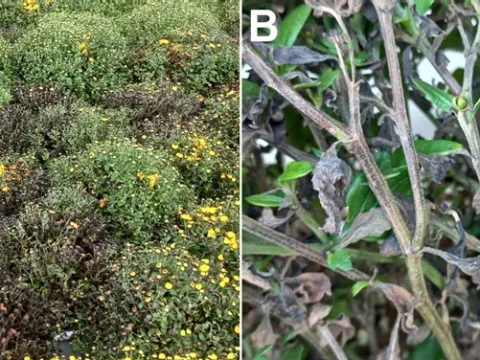
The initial signs of infection include small chlorotic or necrotic spots appearing on foliage. These spots gradually expand and darken to a brown or black color, often surrounded by a characteristic yellow halo.
As the infection progresses, a visible growth of mycelium and spores appears on the surface of the affected plant parts. This fungal growth may look like a dusty, orange-to-black patch, which can easily detach and disperse in the wind.
In cases affecting fruits or seeds, the symptoms manifest as dark lesions, softening of tissues, and rapid decay. In high humidity, the affected tissue becomes covered with a dense mat of fungal spores, significantly impacting the product's quality.
Systemic symptoms may occur in severe cases, including leaf curling, premature wilting, and necrosis of the stems. If the pathogen affects the vascular tissues, the overall vigor of the plant is severely compromised.
Because these symptoms can often overlap with those caused by other fungi like Alternaria or Fusarium, field diagnosis is frequently confirmed through laboratory culture or molecular analysis of the infected samples.
Epicoccum plurivorum thrives in warm, humid conditions. Optimal growth typically occurs at temperatures ranging between 20°C and 25°C, coupled with high relative humidity levels, usually exceeding 85%.
Environmental factors such as prolonged dew, fog, or frequent rainfall are critical for the germination of conidia. These moisture-heavy conditions create a favorable environment for the spores to penetrate the plant epidermis.
Poor field management, such as excessive plant density, restricts airflow and maintains high local humidity, which significantly increases the risk of an outbreak. Dense canopies also prevent fungicides from reaching all parts of the plant.
Host susceptibility is often increased by stress factors, including nutrient imbalances (specifically high nitrogen) and physical damage caused by insects or machinery. These injuries provide easy entry points for the fungal mycelium.
The pathogen can survive in soil and on crop residues throughout the winter. Its resilience in various microclimates ensures that it remains present in the field, ready to infect the next generation of crops when conditions become favorable.
The primary economic harm caused by Epicoccum plurivorum is the reduction of crop yield and quality. In cereals, it can significantly decrease grain weight, germination percentage, and overall commercial value.
Fruit and vegetable crops suffer from post-harvest decay, which leads to major losses during transport and storage. The fungus produces metabolites that may render the produce unmarketable or toxic for consumption.
Reduced photosynthetic capacity caused by widespread leaf necrosis limits the plant's ability to accumulate biomass. This results in stunted growth, lower stress tolerance, and reduced yield at harvest time.
The fungus secretes secondary metabolites that interfere with the plant’s internal physiological processes. These compounds can inhibit cellular enzymatic activity, leading to premature senescence and tissue death.
Management costs are another aspect of the harm, as farmers must invest in chemical control and enhanced sanitation practices. Failure to control the disease early can lead to rapid, uncontrollable spread throughout the entire crop field.
Integrated disease management (IDM) is the most effective approach. Crop rotation is essential to reduce the pathogen population in the soil, preventing the build-up of inoculum from the previous season.
Chemical control involving the timely application of fungicides is recommended when disease pressure is high. Rotating active ingredients, such as triazoles or strobilurins, helps manage resistance and maintains the efficacy of the treatments.
Sanitation practices are vital; removing or deep-plowing crop residues helps destroy the overwintering sites of the pathogen. Maintaining healthy plants through balanced nutrition strengthens their natural defenses against fungal invasion.
Effective pest management is also necessary to reduce mechanical injuries to the crop, thereby minimizing potential entry points for Epicoccum plurivorum. Consistent monitoring is key to early detection.
- Use certified, high-quality disease-resistant seed varieties.
- Implement proper spacing to ensure adequate airflow within the canopy.
- Apply systemic fungicides as a preventative measure in high-risk areas.
- Ensure rapid and efficient drying of harvested produce to prevent storage rot.