
Epigloea
Epigloea bactrospora
Description
Pathogen
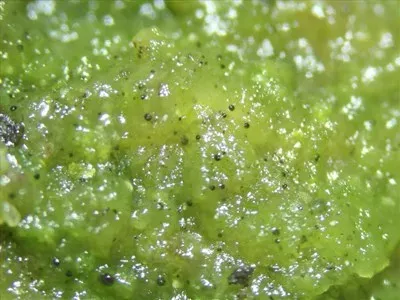
Epigloea bactrospora is a microscopic fungus classified as a lichenicolous fungus. It acts as an obligate parasite or commensal, living on the surface of lichens, which serve as its primary host for nutrition and structural support.
From a biological standpoint, it belongs to the Ascomycota division. Its life cycle involves the formation of minute apothecia, which are the reproductive structures used for both sexual and asexual processes, characteristic of this genus.
The fungus is highly specialized, having evolved to thrive within the unique ecological niche provided by lichen thalli. This specialization makes it a significant subject for studies on parasitic interactions in micro-ecosystems.
Reproduction is facilitated by the release of spores, which are often rod-shaped, as indicated by the species name bactrospora. These spores are dispersed by environmental factors such as wind and water splashes to reach new hosts.
The fungus maintains its presence through a mycelial network that penetrates the host tissue, allowing it to extract nutrients and complete its life cycle while often causing visible morphological changes to the host.
Conditions for development
The development of Epigloea bactrospora is strictly dictated by high levels of moisture. It flourishes in damp environments where lichens are hydrated and actively metabolizing, providing a consistent substrate for fungal growth.
Temperature is another crucial factor; moderate temperatures are ideal for the mycelial growth of this species. Extreme cold or heat generally inhibits its spread and can lead to the dormancy of the fungus.
The density of the host population plays a key role in the rate of transmission. In areas where lichens are abundant, the spread of the fungus can occur rapidly through direct contact between individual thalli.
Low light intensity and limited air circulation, which are common in dense forest understories or shaded areas, provide the necessary microclimatic conditions that favor the fungal infection.
Surface chemistry of the host also influences colonization. Certain physiological states of the lichen may make it more susceptible to penetration by the fungal hyphae, facilitating a quicker onset of the disease.
Why it matters
The harm caused by Epigloea bactrospora is primarily observed as the degradation and eventual death of the lichen thallus. While this does not impact primary crops, it affects the biodiversity of the ecosystem.
Lichenicolous fungi are significant in ecological monitoring; therefore, their impact on lichen populations can serve as an indicator of broader environmental changes or imbalances in the local habitat.
The reduction of lichen coverage can alter the micro-habitats on tree bark, potentially impacting other epiphytic organisms that rely on these lichens for survival or shelter.
In research or environmental management, the presence of this fungus is viewed as a natural regulatory mechanism within the complex interactions of the epiphytic community.
The economic impact is negligible in typical agronomic settings, though it is recognized as a factor in maintaining the natural equilibrium within diverse ecological landscapes.
Protection
Active control measures for Epigloea bactrospora are rarely implemented since the fungus does not threaten commercial agricultural production. Management is usually limited to scientific or conservation purposes.
Preventive strategies involve maintaining optimal environmental conditions, such as proper air circulation and moisture control, which can limit the spread of the fungus in controlled environments.
Fungicides are generally not recommended for this species, but if control is necessary in a controlled area, broad-spectrum antifungal agents used for lichen preservation or research can be applied.
Physical removal of heavily infected specimens is the most effective approach to stop the spread of the pathogen in a confined space, ensuring the health of surrounding unaffected lichens.
Regular monitoring of the ecosystem is the best practice for identifying the presence of Epigloea, allowing for timely interventions if the preservation of specific lichen populations is required.
Discussion
No discussions yet — be the first.