
Epicoccum rot
Epicoccum tritici
Description
Symptoms
Initial symptoms are often visible as small spots or discolorations on leaves and stems, which eventually develop a characteristic velvety or cushion-like surface.
The fungal sporulation often presents as yellow, orange, or reddish-brown patches, which can be distinguished from other leaf spots by their specific texture.
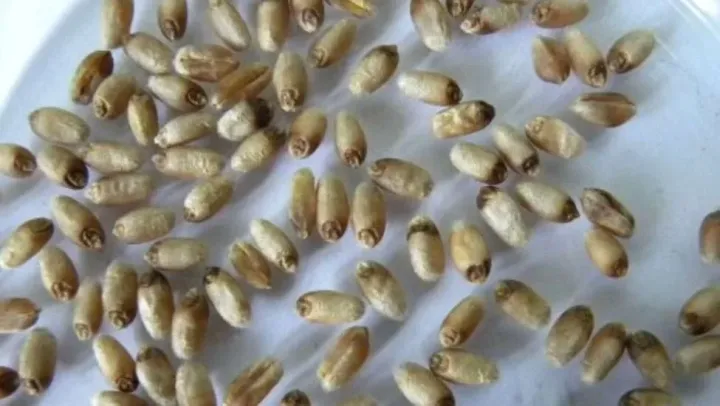
In the wheat head, infection may manifest as a dark or discolored appearance of the glumes, often referred to as black point or general weathering of the grain.
As the disease progresses, the infected tissue becomes necrotic, leading to premature wilting and reduced plant vigor during the grain-filling stage.
Severe infestations can lead to a fuzzy, moldy appearance on the heads, particularly under conditions of high humidity, significantly degrading the quality of the harvested grain.
Pathogen
The disease is caused by the fungus Epicoccum tritici, which is classified as a saprotroph that can opportunistically infect weakened wheat tissues.
This fungus is widely distributed in agricultural ecosystems and is known to survive on decaying plant debris, soil particles, and even on the surface of healthy seeds.
Reproduction occurs through the formation of conidia, which are effectively disseminated by wind, water splashes, and physical contact with agricultural machinery.
The mycelium of the pathogen penetrates plant cells when the host is under stress, allowing the fungus to colonize both vegetative parts and the head of the plant.
Environmental plasticity allows Epicoccum tritici to persist in diverse climatic conditions, making it a persistent challenge in many grain-producing regions.
Conditions for development
High humidity and prolonged periods of wet weather are the primary drivers for the rapid development and spread of Epicoccum tritici in the field.
Optimal temperatures for fungal colonization typically range from 20°C to 25°C, which coincides with the critical growth stages of the wheat crop.
Poor field management, such as excessive plant density or inadequate crop rotation, exacerbates the disease by creating a humid microclimate within the canopy.
Late-season rainfall during maturation often triggers widespread infection, as the mature or senescing tissues become more susceptible to fungal entry.
Stress factors such as nutritional imbalance, herbicide injury, or insect damage significantly lower the plant's resistance, facilitating easier invasion by the fungus.
Why it matters
The primary economic harm caused by Epicoccum rot is the significant reduction in grain quality, leading to lower test weights and reduced milling performance.
Infected kernels may be shriveled or discolored, rendering them unsuitable for food production or premium-grade flour markets.
Reduced photosynthetic activity due to premature leaf necrosis results in lower grain yield and overall biomass accumulation in the wheat crop.
The pathogen can contribute to the development of secondary mold issues during storage if infected grain is not properly dried or cleaned after harvest.
Increased field inoculum levels pose a risk for future cropping seasons, particularly when planting susceptible varieties in close rotation cycles.
Protection
Implementing a diversified crop rotation plan is essential to reduce the buildup of inoculum in the soil and on crop residues over time.
Proper field sanitation, including the incorporation or removal of infected stubble, helps to break the survival cycle of the fungus between seasons.
Timely application of fungicides during the heading and flowering stages can effectively manage the disease and protect the grain heads from infection.
Selecting adapted wheat varieties with robust health profiles and using high-quality, treated seed are foundational steps for effective disease management.
- Ensuring optimal plant spacing to promote airflow.
- Monitoring fields for early signs of pathogen activity.
- Balanced nutrient management to prevent excessive canopy density.
Discussion
No discussions yet — be the first.