
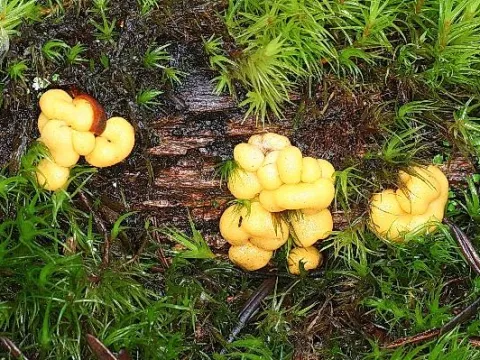
Endogone
Endogone
The genus Endogone consists of fungi that primarily exist in a symbiotic relationship with plant roots. Unlike pathogens, these fungi do not cause disease but rather facilitate the essential processes of nutrient uptake for the host plant.
What the section contains
Endogone
These fungi are known for forming arbuscular mycorrhizae, where the fungal hyphae penetrate the root cells to create highly branched structures called arbuscules. This interface is the site of efficient nutrient exchange.
The organism relies on the host plant for carbohydrates, while it provides the plant with essential minerals, particularly phosphorus, which is often difficult for roots to extract on their own.
Endogone produces sporocarps in the soil, which serve as long-term survival structures. These spores remain dormant until the presence of a host plant root system triggers germination and colonization.
Biologically, these fungi are essential for ecological stability in many ecosystems, including agricultural land, where they contribute to the natural biological support system of crops.
There are no visible external symptoms of Endogone presence on the plant's aerial parts. The symbiotic relationship is internal and remains hidden within the root architecture.
Root systems colonised by these fungi appear healthy and robust. There are no signs of necrosis, soft rot, or tissue discoloration that would typically indicate a plant infection.
Laboratory diagnosis is the only reliable method to confirm the presence of Endogone. Microscopic examination of root tissue reveals the presence of typical hyphae and sporocarp structures within the cortical cells.
Plants associated with this fungus often exhibit better vigor and resilience compared to non-colonized plants, especially under conditions of low nutrient availability.
The absence of wilting, stunting, or tissue death is the primary clinical sign that differentiates this beneficial symbiont from harmful soil-borne pathogens.
The growth and colonization efficacy of Endogone are influenced by soil temperature, with an optimal range between 15 and 25 degrees Celsius. Extreme cold or heat restricts fungal activity.
Soil moisture levels play a critical role; moderate humidity supports the development of the fungal mycelium, while severe waterlogging may limit the oxygen required for metabolic processes.
High levels of soluble phosphate in the soil can suppress the mycorrhizal association, as the plant may perceive less need for the fungal partner's assistance in mineral acquisition.
The pH of the soil is another factor, as these fungi generally prefer neutral or slightly acidic environments to maintain their symbiotic functions.
Agricultural practices that promote soil biodiversity, such as reduced tillage, provide a more stable environment for Endogone to propagate and maintain its network throughout the soil profile.
Endogone is not considered a harmful organism. It provides a net benefit to agricultural crops by increasing nutrient absorption efficiency and promoting better root growth.
There is no evidence suggesting that these fungi cause any yield loss or structural damage to crop plants under normal agricultural conditions.
Confusion with pathogenic fungi can sometimes lead to unnecessary chemical treatments, which is the only way this fungus could be perceived as "harmful" to the farm economy.
As a non-pathogenic symbiont, it does not pose any phytosanitary risk and is not listed in any agricultural regulatory frameworks related to plant disease control.
The interaction between the fungus and the host is highly specialized and is a well-evolved evolutionary strategy that benefits both parties involved.
Control measures against Endogone are not necessary or recommended. Farmers should instead focus on protecting these beneficial organisms within the soil ecosystem.
Avoiding the overuse of systemic fungicides is the most effective way to preserve the population of beneficial mycorrhizal fungi in the root zone.
Maintaining soil organic matter through compost and green manures supports the long-term survival and activity of mycorrhizal partners.
Practicing balanced fertilization ensures that the symbiotic relationship is not disrupted by the over-application of synthetic minerals.
- Minimize intensive soil disturbance.
- Use integrated pest management to reduce pesticide reliance.
- Incorporate organic amendments into soil management.
- Promote crop rotation to support diverse soil biotas.