
Endogonales
Endogonales
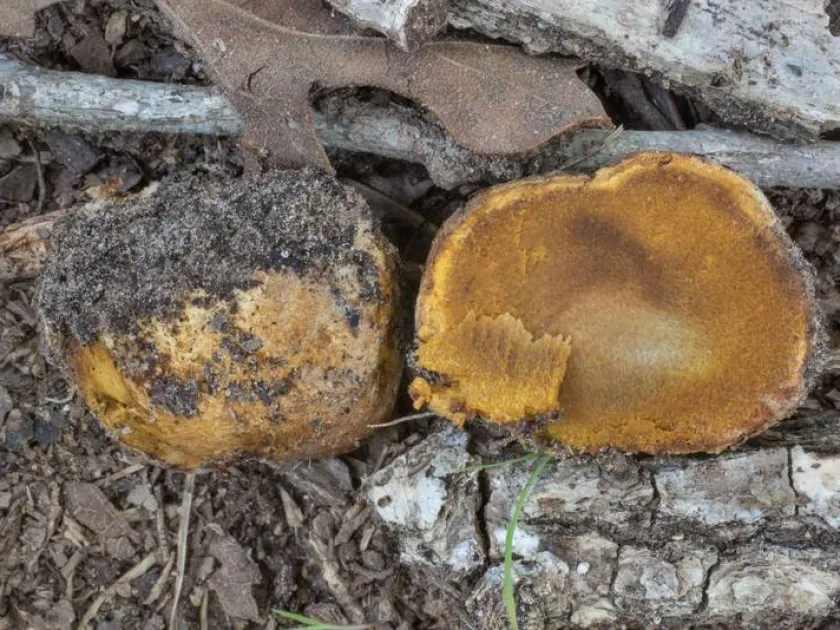
Description
Symptoms
External signs of infection by Endogonales fungi are often masked by general symptoms of root rot. Plants exhibit clear growth retardation and stunted development, often developing chlorotic leaves due to nutrient uptake disruption.
The root system of affected plants becomes brittle, with noticeable darkening and necrosis of specific root sections. In areas of pathogen entry, sporocarps are formed, appearing as dense clusters of hyphae under microscopic examination.
In early stages, the disease may remain asymptomatic; however, in severe infections, premature wilting occurs, which does not resolve after irrigation. This is caused by the degradation of root vascular tissues by the fungal mycelium.
When examining root hairs, specific deformations caused by active hyphal penetration into epidermal tissues can be identified. In severe cases, total decay of the root cap is observed.
In field conditions, infection foci often appear as localized patches, spreading more rapidly in heavy or waterlogged soils where the fungus thrives.
Pathogen
The disease is caused by fungi of the order Endogonales, which are traditionally classified as phytopathogens capable of destroying plant root system tissues.
These microorganisms are characterized by the formation of sporocarps, which are specialized fruiting bodies where zygospores develop, ensuring the survival of the pathogen in adverse environmental conditions.
Biologically, they are closely linked to the plant rhizosphere, utilizing root exudates for initial colonization. The infection process begins with hyphal attachment to the roots followed by penetration into the cortex.
The pathogen can persist in the soil for long periods as a saprotrophic phase, feeding on plant debris, which makes it highly resistant to crop rotation practices.
The fungal mycelium possesses high enzymatic activity, enabling it to degrade root cell walls, thus facilitating the spread of infection within the host plant tissues.
Conditions for development
High soil moisture is the primary factor promoting the development of Endogonales fungi, as it creates an optimal environment for spore germination and mycelial activity.
A temperature range of 15–22°C is considered optimal for the rapid colonization of root systems by the pathogen. At lower temperatures, fungal activity decreases, but viability is maintained.
Heavy clay soils facilitate moisture retention, which significantly increases the risk of Endogonales infection compared to lighter, sandy-loam substrates.
Poor soil aeration due to compaction or waterlogging creates anaerobic microzones that stimulate the pathogenic properties of many soil-borne fungi in this order.
Disturbances in soil pH, particularly acidification, often correlate with more frequent outbreaks of diseases caused by Endogonales fungi.
Why it matters
The primary damage consists of reduced crop yields due to root apparatus destruction and the subsequent impairment of nutrient and water uptake.
Plants infected with Endogonales fungi become highly vulnerable to secondary infections, including bacterial rots that exploit damaged tissues to invade the plant.
Under severe infection pressure, massive death of young seedlings can occur, leading to sparse crop stands and the necessity for reseeding large areas.
The quality of agricultural produce declines sharply: root vegetables lose storage stability, while cereal crops form shriveled grains with low weight and reduced market grade.
Damage is also reflected in the suppression of the natural beneficial microflora of the rhizosphere, negatively impacting overall soil fertility in the long term.
Protection
A key preventive method is the implementation of crop rotation, which prevents the accumulation of inoculum in the soil after the cultivation of susceptible species.
Improving field drainage and soil aeration through regular tillage helps lower moisture levels and prevents the spread of Endogonales fungi.
The use of high-quality seed material, treated with broad-spectrum fungicides, provides essential protection for young roots during the initial growth stages.
Liming acidic soils creates less favorable conditions for pathogen development and helps strengthen the natural immunity of the crops being grown.
In case of detected infection patches, it is recommended to remove infested plant residues and apply biological agents based on Trichoderma to suppress the activity of pathogenic micromycetes.
Discussion
No discussions yet — be the first.