
Endogonaceae fungi
Endogonaceae
The fungi belonging to the Endogonaceae family are zygomycetes that play a complex role in the soil ecosystem. While many related species form arbuscular mycorrhiza, some can act as pathogens under specific environmental conditions.
What the section contains
Endogonaceae fungi
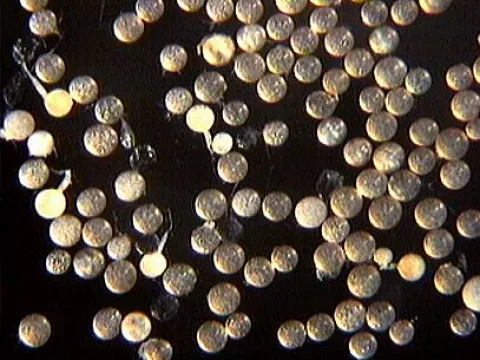
The primary infectious agents are sporocarps, which are complex structures containing spores. These structures allow the fungus to survive in the soil for extended periods, resisting drought and temperature fluctuations.
Infection occurs when the fungus penetrates the root tissue, forming hyphae that disrupt the plant's vascular system. This interference prevents the normal transport of water and nutrients from the soil to the leaves.
It is important for agronomists to distinguish between pathogenic species and beneficial mycorrhizal fungi. Proper identification is required, as the physical signs in the roots can often be misleading.
These fungi impact a variety of crops, including cereals and vegetables, by causing root dysfunction. Their ability to switch between saprotrophic and parasitic modes makes them particularly resilient in agricultural fields.
The primary symptom of infection is stunted growth, where the plant appears smaller and less vigorous than healthy specimens. Foliar chlorosis is common, reflecting the plant's inability to uptake essential nitrogen and phosphorus.
Examination of the root system often reveals necrotic lesions and brown or black discolorations. In severe cases, the root system becomes brittle, and the roots may be easily separated from the soil during pulling.
During periods of high humidity, mycelial growth may be visible on the surface of the roots. This sign indicates that the infection is active and likely spreading to adjacent plants within the row.
Plants often exhibit early wilting during hot weather. Because the root vascular tissue is impaired by the fungal hyphae, the plant cannot compensate for high rates of transpiration during the day.
Diagnostic testing is usually required to confirm Endogonaceae, as the symptoms closely mirror those of other root rot diseases caused by Pythium or Phytophthora species.
Endogonaceae fungi thrive in high-moisture soil conditions. Prolonged rainfall or over-irrigation are primary triggers for the rapid germination of spores and subsequent root colonization.
The optimal temperature range for the development of these fungi is between +18°C and +25°C. In these conditions, the fungal colony spreads efficiently through the soil profile.
Compacted, heavy clay soils are highly susceptible to these fungi because they retain excess water and lack proper aeration. These anaerobic conditions weaken plant roots, making them easier to penetrate.
Soil pH levels also play a significant role. Acidic environments tend to promote the development of many soil-borne fungal pathogens, making lime application a potential mitigation strategy.
Continuous cropping patterns contribute to the buildup of fungal spores in the soil. Without a proper rotation, the pathogen population reaches a threshold where economic crop damage becomes inevitable.
The economic impact of these fungi is primarily driven by reduced yields. Impaired root systems result in smaller fruit, shorter stalks, and lower overall biomass production per hectare.
Market quality is often compromised due to the lack of nutrients reaching the harvested parts of the plant. This leads to poor shelf life and reduced nutritional value, lowering the overall grade of the produce.
Infection in seedling stages often leads to patchy stands and crop failure. This requires replanting efforts, which increase operational costs and delay the harvest schedule.
The persistence of spores in the soil creates a long-term management challenge. Farmers may be forced to avoid planting susceptible host crops for several years to allow the soil pathogen levels to drop.
Additional costs include the frequent use of fungicides and specific soil treatments, which increase the total cost of production and affect the profitability of the agricultural operation.
A sound crop rotation strategy is the most effective way to manage these fungi. Alternating host crops with non-host crops prevents the pathogen from establishing a permanent cycle in the field.
Improving field drainage is critical. Techniques such as subsoiling, installing tile drainage, or using raised beds can significantly reduce soil moisture and inhibit fungal growth.
Monitoring and correcting soil pH through liming can create an environment less favorable for these fungi. Regular soil testing helps maintain an optimal nutrient balance for crop health.
Seed treatments using broad-spectrum fungicides provide a crucial layer of protection for young plants. This ensures that the seedlings get a healthy start before they are exposed to soil pathogens.
Sanitation practices, such as removing crop residues at the end of the season, can reduce the number of resting spores. Burning or deep plowing residues under can also help limit the fungal inoculum load.