
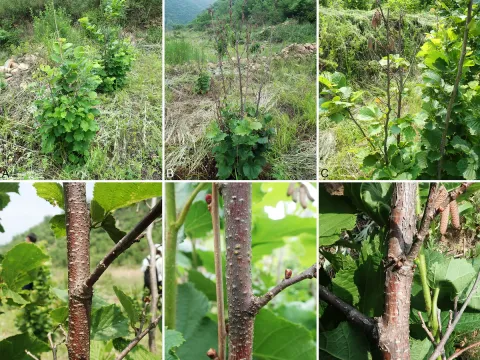
Hazelnut spot anthracnose
Elsinoë coryli
Hazelnut spot anthracnose is a fungal disease caused by the ascomycete Elsinoë coryli (anamorph: Sphaceloma coryli). It is a specialized pathogen that specifically targets plants belonging to the Corylus genus, commonly known as hazel or filbert.
What the section contains
Hazelnut spot anthracnose
The pathogen overwinters as mycelium or stroma within infected plant debris, such as fallen leaves, mummy fruits, and lesions on the bark of twigs. As conditions improve in spring, it initiates a new infection cycle.
During the growing season, the fungus produces conidia, which are disseminated by rain splash, wind currents, and mechanical activities like pruning. These spores land on susceptible hazelnut tissues to begin the infection process.
At the microscopic level, the fungus invades the epidermal and sub-epidermal tissues of the host. This parasitic activity leads to the degradation of cellular structures and severely impairs the plant's metabolic functions.
The biology of the fungus is characterized by its ability to survive in both soil and plant remnants, making it a persistent challenge for commercial hazelnut orchard management.
The primary symptoms of the disease appear as small, irregular or circular spots on the foliage. Initially, these spots are pale, transitioning to a light brown color with a distinct dark, often necrotic border.
In the advanced stages of infection, the central part of the lesion becomes dry and fragile. The necrotic tissue often drops out, resulting in a shot-hole appearance that is characteristic of severe fungal infections.
Branches and young stems exhibit depressed, elongated lesions or cankers. Over time, these cankers can enlarge, causing the bark to crack and creating entry points for secondary pathogens or wood-rotting fungi.
On the husk of the hazelnut, the infection presents as greyish or brownish spots, sometimes accompanied by a velvet-like fungal bloom. This significantly affects the quality and aesthetic value of the harvest.
- Chlorotic or necrotic spots on leaf surfaces.
- Perforated leaves due to necrotic tissue loss.
- Canker formation on stems and branches.
- Deformed growth of young shoots.
- Premature fruit and leaf drop.
Hazelnut spot anthracnose thrives in high humidity and wet environmental conditions. Persistent rainfall, heavy mist, or dew-covered leaves provide the necessary moisture for spore germination and colonization.
The pathogen demonstrates optimal activity within a temperature range of +18°C to +25°C. During warm, rainy weather, the incubation period shortens, leading to rapid disease progression throughout the orchard.
Dense orchard architecture, characterized by poor canopy management, limits airflow and maintains a constant high humidity level inside the tree structure, which heavily favors Elsinoë coryli development.
Failure to implement basic sanitation practices, such as the removal of leaf litter, ensures a continuous supply of inoculum year after year, which can lead to severe outbreaks in otherwise healthy plantations.
Poorly drained orchard sites that maintain a humid microclimate for extended periods often suffer from more frequent and severe infestations compared to well-ventilated locations.
The significant impact of this disease is the reduction of functional leaf area, which decreases the plant's photosynthetic capacity. Consequently, the tree struggles to store enough reserves for fruit set and winter survival.
Cankers on branches disrupt water and nutrient transport (xylem and phloem function), potentially leading to branch dieback and an overall reduction in the plant's structural integrity over time.
Fruit quality is degraded; infected husks lead to smaller, shriveled, and commercially unacceptable nuts. This loss is particularly damaging for growers focusing on high-quality market standards.
Persistent infections weaken the tree's immune system, making it less resilient to abiotic stressors, including winter cold and seasonal drought, leading to premature tree decline.
Long-term infestation reduces the overall productivity and profitability of the hazelnut orchard, necessitating high expenditures on chemical control and maintenance.
Sanitation is the cornerstone of control. It is vital to collect and destroy all fallen leaves and infected debris at the end of the season to eliminate the primary sources of overwintering inoculum.
Regular pruning is essential for maintaining an open canopy. This practice improves air circulation and increases sun penetration, which effectively dries out the canopy and suppresses fungal growth.
Preventative applications of copper-based fungicides are recommended during the dormancy period, specifically early spring and late autumn, to reduce the pathogen population residing on the bark.
During the growing season, if symptoms appear, systemic fungicides should be applied according to local agricultural regulations. Rotating modes of action is critical to prevent the development of resistant fungal strains.
Balanced fertilization, particularly the judicious use of potassium and phosphorus, strengthens the plant tissues and improves the natural resistance of the hazelnut to various fungal pathogens.