
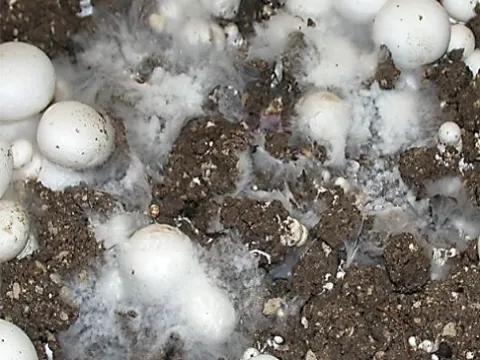
Dactylium leaf spot
Dactylium obovatum
The disease is caused by the imperfect fungus Dactylium obovatum, a pathogen known for its ability to persist in soil and crop residues.
What the section contains
Dactylium leaf spot
This fungus produces microscopic conidia that are easily dispersed through wind currents, splashing rain, or contact with contaminated tools.
As a facultative parasite, the fungus maintains its life cycle by alternating between a saprotrophic phase and a destructive parasitic phase on hosts.
The pathogen utilizes a complex system of sporulation, allowing it to colonize host tissues rapidly under favorable environmental conditions.
Persistence of the fungal mycelium in the soil makes it a challenging threat to greenhouse production systems throughout the growing season.
The primary symptom includes the development of irregular, light-colored spots on leaves which progressively turn necrotic and brown.
Under high humidity, the spots are often covered by a fine, powdery fungal bloom which represents the active reproductive stage of the pathogen.
In severe infections, the lesions may expand and coalesce, causing widespread tissue death and premature leaf drop across the entire plant.
Stems may also show signs of infection, characterized by localized discoloration and internal tissue breakdown that hinders vascular function.
Visible signs of wilting or chlorosis around the leaf spots help differentiate this pathogen from other common fungal or bacterial infections.
Dactylium obovatum thrives in warm, humid environments where temperatures consistently range between 18°C and 22°C.
Poor air circulation within dense canopy structures or greenhouse interiors promotes the accumulation of moisture, which is vital for spore germination.
Frequent overhead irrigation significantly increases the risk of spreading the fungal spores from infected to healthy leaves or nearby plants.
Soil acidity levels and nutrient imbalances can weaken the physiological state of the plants, increasing their susceptibility to invasion.
The lack of crop rotation creates a conducive environment for the build-up of the pathogen population in the soil over consecutive years.
The economic impact of the disease stems from reduced yield potential and the loss of produce quality due to severe leaf spot damage.
Photosynthetic efficiency drops significantly as leaves become necrotic, leading to stunted plant growth and smaller, lower-quality fruits or tubers.
In ornamental or sensitive vegetable crops, the disfigurement caused by the disease renders the produce commercially non-viable.
Costs associated with disease management, including the purchase and application of fungicides, further contribute to overall financial losses.
Plant mortality in early growth stages requires expensive replanting efforts, disrupting the planned agricultural schedule of the farming enterprise.
Integrated pest management strategies are essential, starting with strict field sanitation to remove all potential sources of fungal inoculum.
Implementing a rigorous crop rotation plan helps break the cycle of the fungus by preventing the host from returning to the same site annually.
Optimizing greenhouse management through improved ventilation and precise irrigation timing effectively limits the spread of the pathogen.
- Application of appropriate systemic fungicides as a preventive measure.
- Manual removal and disposal of infected plant parts.
- Balanced fertilization to boost plant natural defense mechanisms.
Selecting varieties known for disease resistance is the most effective long-term strategy for minimizing the dependence on chemical interventions.