
Dactylium
Dactylium
The causal agent of this disease is the fungus Dactylium dendroides, which is classified as a filamentous mold. This pathogen acts as a destructive parasite that targets cultivated mushrooms, including Agaricus bisporus.
What the section contains
Dactylium
The fungus produces large amounts of conidia, which are tiny spores easily dispersed by air currents. This high reproductive capacity allows the disease to spread rapidly throughout a mushroom growing facility.
Dactylium survives in soil, peat, and organic debris. Once established in a growing room, it can persist through subsequent production cycles if proper sanitation is not strictly observed.
The fungus grows by extending its hyphae into the surrounding organic matter, effectively outcompeting the mushroom mycelium for nutrients and space during its colonization phase.
Biologically, the pathogen is highly adaptable to the indoor environments of mushroom farms, thriving specifically in the moist, warm conditions maintained for mushroom production.
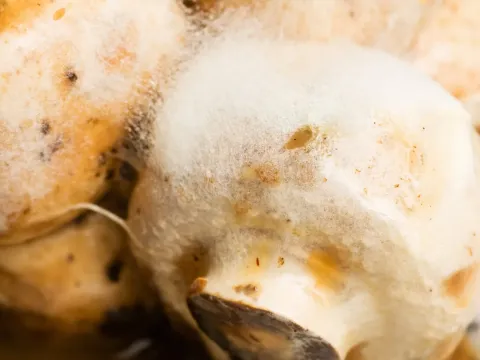
The most recognizable sign of Dactylium, often called cobweb disease, is the emergence of a fine, white, fluffy mycelial mat that spreads across the casing layer.
As the infection progresses, the white growth covers the developing mushrooms. Affected mushrooms become distorted, turning brown and soft as the fungus penetrates their tissues.
Eventually, the infected mushroom turns into a watery, mushy mass. This decay process may release an unpleasant odor, indicating advanced stages of tissue breakdown caused by the parasite.
When dry, the fungal growth appears as a dusty gray film. This is composed of millions of spores that are easily disturbed and spread to healthy areas of the growing room.
Early signs often appear as small circular patches on the casing surface, which, if ignored, rapidly expand and coalesce into larger infected zones.
High relative humidity, typically above 90%, is the primary factor favoring the rapid development of cobweb disease. Wet surfaces on the casing layer provide an ideal medium for spore germination.
The optimal temperature range for Dactylium is between 18°C and 24°C, which precisely matches the required temperature for mushroom fruiting bodies to develop.
Poor ventilation, which results in stagnant air and condensation on the mushroom caps, significantly increases the risk of an outbreak within a growing chamber.
Improper watering practices that result in water drops remaining on the mushrooms or the surface of the casing promote the growth of the pathogen's spores.
Introduction of the fungus through contaminated tools, footwear, or clothing of personnel moving between contaminated and clean growing rooms is a common transmission route.
The damage caused by Dactylium is severe, often resulting in total crop loss if left untreated. Infected mushrooms are completely unsalable due to their soft texture and discolored appearance.
Beyond individual mushroom loss, the disease creates a massive spore load in the facility, which complicates hygiene management and increases the risk of recurrent infections.
Economic impacts include the loss of yield, the cost of fungicides, and the labor required to remove infected sections of the crop, as well as the potential necessity of early room termination.
The presence of the disease significantly lowers the quality standards of the entire harvest, as the spores can contaminate healthy mushrooms during the harvesting process.
Prolonged presence of the fungus in the casing layer can degrade the structure and quality of the substrate, negatively impacting future growth potential for subsequent flushes.
Strict sanitation is the foundation of management. This includes regular cleaning of the facility, thorough disinfection of tools, and controlling access to growing rooms.
Immediate removal of infected mushrooms and a portion of the surrounding casing soil is essential to prevent the further spread of spores across the room.
Maintaining proper microclimate controls, such as reducing ambient humidity to 85% and ensuring adequate ventilation, creates an environment less conducive to fungal growth.
Using pasteurized casing material that has been properly processed minimizes the risk of introducing the pathogen into the growing environment from the start.
Integrated pest management strategies may involve the cautious use of approved fungicides, always adhering to label instructions regarding pre-harvest intervals and safety protocols.