
Coscinodiscophyceae
Coscinodiscophyceae
Coscinodiscophyceae is a class of centric diatoms. While these organisms are primary producers in natural aquatic ecosystems, in agricultural settings such as hydroponics and aquaponics, they are considered bio-contaminants that disrupt production systems.
What the section contains
Coscinodiscophyceae
The biological structure of these algae includes a silica-based cell wall, known as a frustule, which provides them with high resilience and structural integrity even in harsh industrial environments.
They do not act as obligate parasites on crop plants, but their rapid proliferation creates significant biological interference. They effectively compete with crops for light and essential nutrients, complicating the management of mineral solutions.
These organisms reproduce primarily through fission. In a controlled hydroponic environment, they can rapidly reach a population density that clogs mechanical parts and inhibits plant health.
Understanding the biology of these diatoms is key to control, as their dependence on silicon and light for photosynthesis is the primary weakness that can be exploited by agronomists.
The most evident sign of infestation is the appearance of a reddish-brown or rust-colored slime on the inner walls of pipes, tanks, and filtration units. This residue has a gritty texture due to the silica composition of the cells.
Hydroponic nutrient solutions often become cloudy or shift to a brownish hue. In severe cases, the oxygen saturation of the solution drops, which can be detected through water analysis tools.
Root systems may show signs of becoming coated with a slimy biofilm. This inhibits nutrient uptake and can eventually lead to the suffocation of fine root hairs, resulting in stunted plant growth.
Mechanical failures in drip irrigation systems, specifically clogged emitters and nozzles, are frequent symptoms of high diatom activity within the system plumbing.
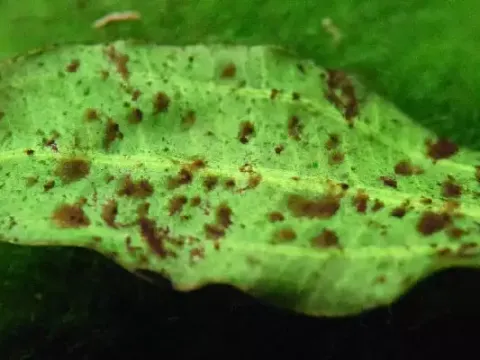
In humid greenhouse conditions, the algae may occasionally transfer onto leaf surfaces if splashing occurs, creating unsightly spots that reduce the market quality of leafy greens.
Light exposure is the primary driver of diatom growth. Any part of the hydroponic system that is translucent or exposed to direct sunlight will serve as a starting point for colonization.
High concentrations of dissolved silicates in the water supply provide the building materials necessary for the diatoms to form their robust cell walls, accelerating their reproduction.
An optimal temperature range of 18-25 degrees Celsius facilitates rapid cell division. Higher temperatures generally increase the metabolism of these algae, leading to faster system fouling.
Stagnant water zones in the hydroponic layout act as reservoirs for spores. Poor circulation prevents the removal of waste and encourages the accumulation of diatoms in dead zones.
The presence of organic debris from decomposing root materials can provide supplementary nutrients, supporting a more complex microbial community that includes diatoms alongside bacteria.
The main harm caused by Coscinodiscophyceae is the physical obstruction of irrigation equipment, leading to increased maintenance costs and potential crop failure due to uneven nutrient distribution.
Biologically, these algae compete for the same mineral ions required by crops. This nutrient competition reduces the overall yield and can negatively impact the final quality and nutritional density of the produce.
The reduction in dissolved oxygen levels within the nutrient solution can create an anaerobic environment, which is a major precursor for more serious root pathogens such as Pythium.
System downtime for cleaning and disinfection significantly impacts profitability, especially in large-scale commercial operations where output must be constant.
Aesthetically, contaminated produce is often rejected by consumers, leading to significant economic losses if the algae biofilm is visible on the plant material or roots.
Light management is the most effective preventative strategy. All reservoirs, pipes, and channels should be constructed from opaque materials or wrapped to block all light from entering the solution.
UV sterilization is highly effective at destroying diatom cells and spores within the circulating nutrient solution. This keeps the water clean without the need for toxic chemicals.
Periodic disinfection of the system using dilute hydrogen peroxide or food-grade ozone systems helps to strip existing biofilms from surfaces without harming the root systems.
Maintaining high water flow rates and ensuring no dead zones exist in the plumbing reduces the chances of diatoms settling and establishing a foothold in the system.
- Use high-quality water filtration systems.
- Monitor and balance the mineral solution regularly.
- Implement strict post-harvest sanitation protocols.