
Pseudomonadosis
Pseudomonadaceae
Pseudomonadosis refers to a wide range of bacterial diseases caused by plant-pathogenic bacteria belonging to the Pseudomonadaceae family, primarily of the genus Pseudomonas. These are rod-shaped, motile bacteria that are ubiquitous in soil, water, and on plant surfaces, where they often exist in an epiphytic phase.
What the section contains
Pseudomonadosis
These pathogens invade plant tissues primarily through natural openings such as stomata, hydathodes, and lenticels, or through wounds caused by mechanical damage or insect feeding. Once inside, they proliferate rapidly within the intercellular spaces of the plant host.
The bacteria secrete various enzymes, including pectinases, which break down the middle lamellae of cell walls. This enzymatic activity leads to tissue maceration, necrosis, and the formation of characteristic spots or lesions on the affected plant parts.
Unlike fungal pathogens, Pseudomonas species can colonize the vascular system, causing systemic infections that disrupt water and nutrient transport throughout the plant. They are known for their high adaptability and ability to persist in plant debris for extended periods.
The reproduction rate of these bacteria is extremely high under favorable conditions, which allows them to spread rapidly throughout a crop field. This biological efficiency makes them formidable pathogens in intensive agricultural settings.
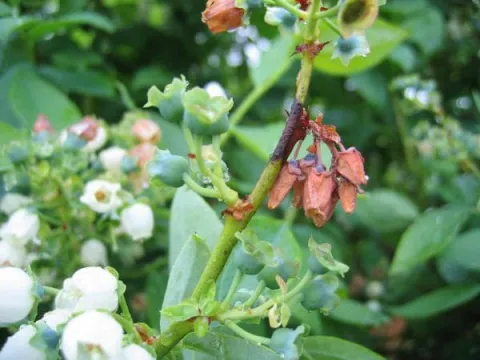
The initial symptoms of pseudomonadosis usually appear as small, water-soaked spots on leaves. As the disease progresses, these spots turn brown or black and are often surrounded by a distinct yellow chlorotic halo, indicating the action of bacterial toxins.
Under conditions of high humidity, bacterial ooze may be visible on the surface of the lesions. This exudate appears as droplets of cloudy or milky fluid containing massive concentrations of bacterial cells, serving as a primary inoculum for secondary spread.
In fruits, infection manifests as small, depressed spots that may enlarge into deep ulcers. These lesions often become necrotic and can lead to secondary soft rot, resulting in a foul-smelling decay of the fruit tissue.
Systemic symptoms often include the wilting of stems or entire branches due to the blockage of vascular bundles by bacterial colonies. Leaves may curl, turn yellow, and drop prematurely, significantly reducing the plant's overall vitality and photosynthetic capacity.
In severe cases, stem infections lead to the formation of cracks or longitudinal fissures where tissue death occurs. This structural damage weakens the plant, making it more susceptible to environmental stressors and other opportunistic pathogens.
Pseudomonadosis development is highly dependent on environmental factors, with moderate temperatures between +18 and +28 degrees Celsius being ideal. High relative humidity and prolonged periods of leaf wetness are critical for disease initiation and spread.
The presence of free moisture (dew, rain, or irrigation droplets) on plant surfaces is essential for the bacteria to move and penetrate plant tissues. Therefore, outbreaks are most common during rainy seasons or in environments with poor air circulation.
Crowded planting patterns and dense canopies create microclimates with stagnant air, which promote high humidity levels. These conditions significantly increase the likelihood of bacterial infection and subsequent disease development in greenhouses or orchards.
Mechanical damage caused by hail, heavy wind, or agricultural operations like pruning and harvesting provides easy entry points for the bacteria. Any injury to the plant cuticle or epidermis acts as an open gate for infection.
Excessive nitrogen fertilization often leads to succulent, lush growth that is more vulnerable to bacterial colonization. Such tissues have thinner cell walls and lower concentrations of defense compounds, making them easier targets for Pseudomonas pathogens.
The economic impact of pseudomonadosis is significant, primarily due to the reduction in crop quality and marketability. Fresh produce showing symptoms of bacterial blight or spots is often culled, leading to substantial post-harvest losses.
The disease can cause total crop failure in highly susceptible varieties, especially if infection occurs early in the growing season. The loss of foliage reduces the plant's energy production, directly impacting fruit set and final yield size.
Systemic infections weaken the plant, making it less resilient to other environmental stresses such as heat, drought, or nutrient deficiencies. This cumulative stress further diminishes the crop's productive potential.
Increased costs are incurred through the necessity of applying chemical control measures and the implementation of strict sanitation practices. These expenses add to the total production cost of the agricultural business.
The buildup of bacterial inoculum in the soil creates a long-term challenge, necessitating longer crop rotation cycles. This limits the farmer's flexibility in choosing crops and can lead to the abandonment of heavily infested fields.
Management starts with the use of clean, certified seeds and disease-free nursery stock. Seed treatment using bactericidal chemicals or hot water treatment can eliminate surface-borne bacteria and reduce primary infection rates.
Crop rotation is a key cultural practice; planting non-host species for several seasons helps reduce the bacterial population in the soil. Proper disposal of plant residues through deep plowing or burning is essential to limit carry-over infection.
Copper-based fungicides and bactericides remain the standard chemical intervention for protecting plants during the growing season. These treatments should be applied preventatively, especially when weather conditions are conducive to disease spread.
Adjusting irrigation systems to minimize leaf wetness, such as utilizing drip irrigation instead of overhead spraying, is a highly effective preventative strategy. Improving ventilation in greenhouse structures helps maintain a drier canopy, discouraging bacterial growth.
Biological control agents, such as specific strains of beneficial bacteria (e.g., Bacillus species), are increasingly used to suppress pseudomonadosis. These agents work by competing for space and nutrients or by inducing systemic resistance in the host plant.