
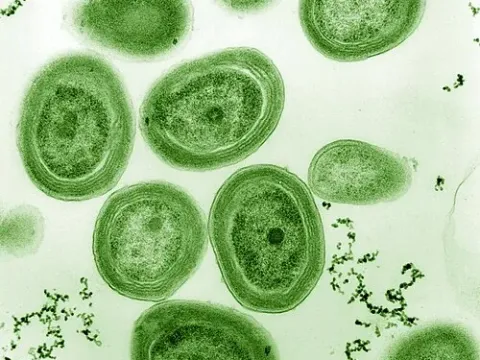
Prochlorococcus
Prochlorococcus
It is important to understand that Prochlorococcus is not a plant disease pathogen. It is a genus of tiny marine cyanobacteria that was discovered only in the late 1980s.
What the section contains
Prochlorococcus
This microorganism is a free-living photosynthetic cell inhabiting exclusively the open ocean water column. It occupies a planktonic niche and has no ability to infect land-based crops.
Biological classification assigns it to the Bacteria domain, phylum Cyanobacteria. In agronomic practice and phytopathology, organisms of this type are not considered phytopathogens.
Confusion in classification often arises due to similarities in names with pathogenic microorganisms or misinterpretation of scientific data regarding environmental microbiota.
Thus, Prochlorococcus is a subject of study in marine biology, not agricultural phytopathology, and poses no threat to field or greenhouse crops.
In the context of crop production, this microorganism causes no harm. It is incapable of colonizing plant tissues, secreting toxins, or disrupting the metabolic processes of cultivated plant species.
The total lack of interaction between marine cyanobacteria and terrestrial agroflora eliminates any economic losses associated with this object.
Attempts to associate this species with plant diseases lack scientific justification. Its activity is restricted to the carbon and nitrogen cycles within the global ocean.
Farmers should not fear the spread of this species, as it requires specific saline environments and light conditions that cannot exist on land.
Referring to Prochlorococcus as a plant disease is an agronomic misconception that must be corrected to prevent the misdiagnosis of crop diseases.