
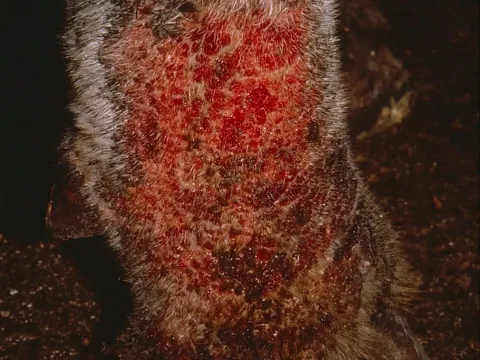
Dermatophilosis
Dermatophilus
The causative agent of dermatophilosis is the actinomycete Dermatophilus congolensis. While traditionally recognized as a zoonotic pathogen, it can occasionally colonize plant tissues under specific environmental conditions, acting as an opportunistic invader.
What the section contains
Dermatophilosis
It is a gram-positive bacterium characterized by a complex life cycle, including the formation of motile zoospores. Its branching filaments allow it to penetrate surface layers when moisture is present.
The pathogen thrives by exploiting natural openings in the plant epidermis or damage caused by environmental factors. Its ability to remain dormant makes it a persistent challenge in specific agricultural environments.
Biological studies highlight that the bacterium relies on moisture-dependent movement to navigate the plant surface. Once a suitable site is found, it anchors itself and begins to colonize the host.
Laboratory diagnosis is essential, as the bacteria can be misidentified. Culturing on selective agar media is the gold standard for confirming its presence in infected plant samples.
High humidity and consistent rainfall are the primary drivers of dermatophilosis. Water acts as the main vehicle for the dispersal of zoospores across the plant canopy.
Mild to warm temperatures favor the rapid multiplication of the bacteria. Extreme heat may suppress its activity, but the pathogen is surprisingly resilient and can survive dry spells.
Mechanical damage caused by hail, pruning, or insect activity significantly increases the risk of infection. Healthy plants are rarely affected if their protective cuticle remains intact.
Poor ventilation in greenhouse environments leads to stagnant microclimates with high humidity, which are ideal breeding grounds for the proliferation of the bacteria.
Balanced plant nutrition is crucial. Excessive nitrogen fertilization can lead to overly lush and tender tissue, which is more susceptible to bacterial invasion compared to resilient, hardened tissue.
The primary symptom of the disease is the development of necrotic lesions on the surface of leaves and stems. These lesions impair the plant's ability to photosynthesize effectively.
As the infection progresses, affected tissues wilt and become discolored. This reduces the overall vigor of the plant and can lead to severe stunting in young, susceptible specimens.
Economic harm is significant, particularly in ornamental and high-value fruit production, where even minor cosmetic damage renders the product unsellable on the market.
Secondary colonization by other pathogenic fungi or bacteria often occurs in the weakened necrotic zones, further complicating the diagnosis and treatment process.
In severe cases, the infection can lead to the systemic collapse of plant organs, resulting in complete crop loss if no timely intervention is carried out.
Integrated pest management (IPM) is the best approach to control dermatophilosis. Start by ensuring adequate spacing between plants to maximize airflow and reduce relative humidity.
Promptly removing and destroying infected plant debris is vital to lowering the inoculum load in the field. Do not leave affected materials near healthy crops.
Copper-based bactericides and fungicides have shown effectiveness in containing the spread of the pathogen. Early detection and targeted spraying are key to successful management.
Sanitation of tools is non-negotiable. Using disinfectants on pruning equipment prevents the mechanical transfer of the pathogen from infected areas to healthy plants.
Monitoring for insect vectors is also a key preventive measure, as controlling the insects that cause physical damage significantly limits the opportunities for bacterial entry.