
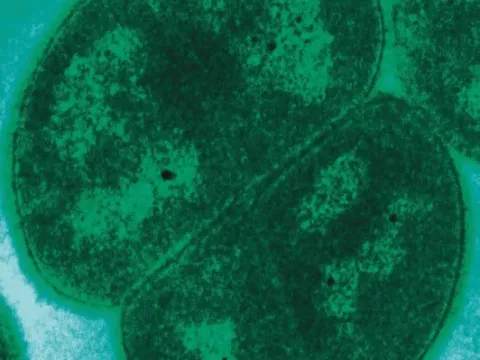
Deinococcus radiodurans
Deinococcus radiodurans
Deinococcus radiodurans is a polyextremophilic bacterium that has gained significant attention in microbiology due to its ability to survive extreme levels of ionizing radiation and desiccation.
What the section contains
Deinococcus radiodurans
In the context of agricultural science, it is vital to clarify that D. radiodurans is not a plant pathogen. It does not induce any known disease symptoms in crops, fruits, or vegetable species.
The bacterium is a harmless soil-dwelling organism that contributes to the natural microflora of diverse ecosystems. It possesses a thick cell wall and a unique DNA repair machinery that allows it to flourish in challenging physical environments.
Researchers in agriculture and bioengineering study this organism primarily for its potential to help remediate polluted agricultural lands, specifically those affected by heavy metals or radioactive waste.
There are no documented cases of plant damage, tissue necrosis, or physiological disorders associated with the presence of D. radiodurans in field conditions or greenhouse cultivation.
The ecological niche of Deinococcus radiodurans includes various types of soil and dust environments, where it survives by utilizing available organic carbon sources and exhibiting high metabolic plasticity.
Optimal environmental conditions involve neutral to slightly alkaline soil pH levels, although the bacterium's survival strategies are so robust that it can persist in highly fluctuating conditions.
It thrives in aerobic environments where its complex DNA repair mechanisms can effectively mitigate the oxidative stress produced by normal metabolic activities and external environmental factors.
While the bacterium does not require specific host plants, it can be found in the rhizosphere of plants that provide suitable moisture and nutrient gradients for soil microbiota.
Agricultural practices such as irrigation or soil tillage have no selective impact on this bacterium as a pest, confirming its status as a neutral or potentially beneficial component of the soil microbiome.