
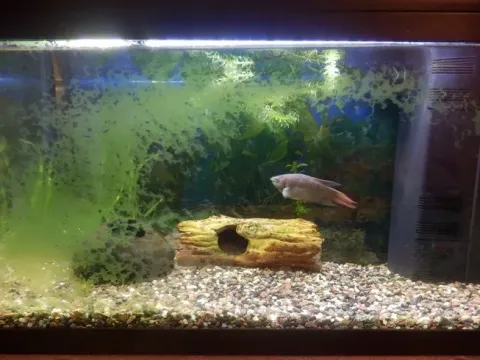
Blue-green algae
Cyanophyceae
Blue-green algae, scientifically known as Cyanophyceae or cyanobacteria, are photosynthetic microorganisms that can negatively affect agricultural soils.
What the section contains
Blue-green algae
Unlike traditional pathogens, they do not infect plant tissues directly but alter the soil environment to the detriment of crop health.
These organisms are capable of nitrogen fixation but often proliferate excessively in poorly drained, waterlogged soil conditions.
They form colonial structures that physically dominate the surface layer, competing with plant roots for space and essential resources.
Their life cycle depends on moisture and light, making them a common issue in greenhouse management and irrigated fields.
The primary symptom is the appearance of a blue-green, olive, or dark gelatinous film covering the soil surface after periods of persistent moisture.
As the soil dries, this film transforms into a hard, brittle crust that acts as a physical barrier to emerging seedlings.
Affected soil often exhibits a stagnant, musty odor and appears compacted, losing its porous structure which is vital for gas exchange.
Young plants or seedlings growing in infested soil often show signs of chlorosis, stunted growth, and general lack of vigor.
In greenhouses, this algal growth can spread to pots, irrigation lines, and greenhouse floor covers, creating slippery and hazardous conditions.
The development of blue-green algae is directly linked to excessive surface moisture and poor soil aeration.
High light intensity, especially in greenhouse environments, significantly accelerates the photosynthesis and multiplication of these microorganisms.
Over-irrigation combined with a lack of drainage creates a stagnant environment that is optimal for cyanobacterial bloom.
High concentrations of phosphorus in the upper soil layers can act as a catalyst for rapid algal expansion.
Insufficient ventilation and high humidity levels perpetuate the environment required for their continuous survival and spread.
The main harm caused by blue-green algae is the formation of a physical crust that seals the soil surface and restricts oxygen supply to roots.
Root hypoxia leads to reduced nutrient uptake, stunted development, and an increased susceptibility to secondary fungal root infections.
Algal crusts inhibit water infiltration, leading to water runoff and inconsistent hydration patterns across the field or greenhouse trays.
The secretion of metabolic products into the soil may negatively affect seed germination rates and the growth of beneficial soil microbiota.
Management efforts are hampered by the persistent nature of these algae, often requiring repeated mechanical interventions to maintain soil structure.
Improving surface drainage and refining irrigation schedules are the most effective ways to prevent the establishment of blue-green algae.
Regular cultivation and light hoeing of the soil surface disrupt algal colonies and promote oxygen penetration to the root zone.
Adjusting soil pH through liming or other amendments can create a less favorable environment for cyanobacterial growth.
Using mulch or ground covers can block the light reaching the soil surface, effectively stopping the photosynthetic activity of the algae.
- Optimizing fertilizer application to avoid phosphorus excess
- Enhancing greenhouse ventilation to reduce surface moisture
- Applying microbial soil conditioners to restore natural soil balance