
Blueberry crown gall
Agrobacterium vaccinii
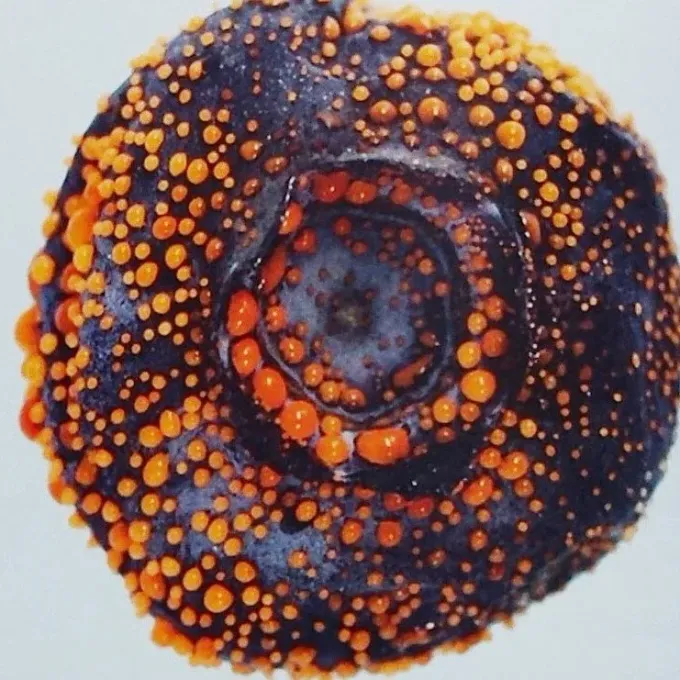
Description
Symptoms
The primary symptom is the formation of distinct galls or tumor-like growths on the roots, crowns, and lower stems of the blueberry plants.
Young galls are typically soft, creamy in color, and have a disorganized, sponge-like internal texture.
As the infection matures, these galls darken, become woody and hard, and their surfaces may crack, exposing the inner tissues.
Affected plants often display reduced vigor, yellowing leaves, and smaller than average fruit sizes compared to healthy counterparts.
- Tumor-like growths (galls) on roots or stems.
- Stunted shoot growth and diminished foliage density.
- Premature leaf drop and discoloration.
- Reduced yield and poor berry development.
- Gradual decline and eventual death of the plant.
Pathogen
The causative agent of this disease is the bacterium Agrobacterium vaccinii, which is a soil-borne plant pathogen.
This bacterium is known for its ability to transfer its genetic material into the plant host, which alters the plant's cellular development.
The organism primarily infects plants through open wounds on the roots or crowns, often caused by agricultural activities.
Once inside, the bacterial DNA triggers the excessive production of plant hormones, leading to uncontrolled cell division.
These pathogens survive in the soil for extended periods, making them persistent challenges in long-term blueberry cultivation.
Conditions for development
Warm, moist soil conditions significantly promote the proliferation of Agrobacterium vaccinii and its ability to infect new hosts.
The disease is frequently spread through the movement of contaminated soil or the introduction of already infected nursery stock.
Garden tools, such as pruning shears or cultivators, can transmit the bacterium from symptomatic plants to healthy ones if not sterilized.
Injuries to the root system, whether by pests like grubs or by human handling during transplanting, provide optimal entry points for the bacteria.
Poor soil drainage and suboptimal pH levels can place stress on the bushes, making them more susceptible to opportunistic bacterial infections.
Why it matters
Crown gall disease is destructive because it directly disrupts the vascular system of the blueberry plant, limiting water and nutrient uptake.
The presence of galls causes a chronic decline in health, leading to decreased yields and economic losses for commercial growers.
Since the disease is systemic and permanent once established, it reduces the overall lifespan of the entire plantation.
Infected bushes serve as a continuous source of inoculum, increasing the risk of widespread disease transmission across a farm.
Removal and destruction of infected bushes is often the only way to prevent the bacterium from spreading to surrounding healthy vegetation.
Protection
Prevention is the most effective strategy, starting with the selection of high-quality, certified, and disease-free nursery stock.
Maintaining strict sanitation protocols, such as disinfecting tools between plants, is essential to halt the movement of the bacteria.
If galls are detected, the infected plant should be carefully removed, including the surrounding root zone, and disposed of properly.
Adhering to correct soil acidity levels (pH 4.0–5.0) for blueberries helps inhibit the optimal environment for this specific pathogen.
Integrated pest management should be employed to protect roots from damage by soil-dwelling insects, thereby reducing entry sites for the bacteria.
Discussion
No discussions yet — be the first.