
Carrot motley dwarf virus
Sequivirus carotae
Description
Symptoms
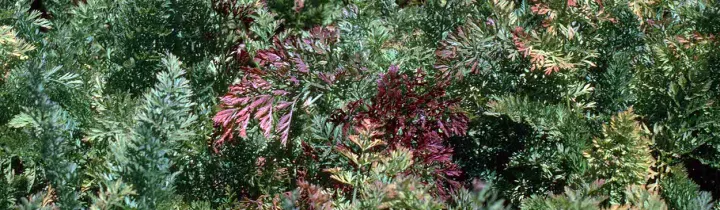
The primary symptoms of this viral infection include distinct leaf mottling and yellowing, which often appears as a mosaic pattern on the foliage. The leaves may become twisted, curled, or stunted due to inhibited development.
As the disease progresses, the leaves exhibit chlorosis, leading to a general paleness of the canopy. In severe cases, the entire plant may show signs of dwarfing, with shorter petioles and a bushy, rosette-like appearance.
Root development is significantly impacted by the viral infection. The roots are typically smaller, woody, and may lack the characteristic vibrant color associated with healthy, marketable carrots.
The severity of symptoms often depends on the age of the plant at the time of infection. Early infection is particularly devastating, leading to severe stunting and potential failure of the crop to reach maturity.
Visual identification can be challenging because symptoms can sometimes be confused with nutrient deficiencies or other environmental stressors. Laboratory testing remains the most reliable diagnostic tool.
Pathogen
The pathogen responsible for this condition is Sequivirus carotae, a viral agent that specifically targets members of the Apiaceae family. It is a persistent virus, meaning it remains active within its insect vector for a long period.
The virus consists of single-stranded RNA and relies entirely on vectors for transmission between host plants. Without the specific insect vectors, the spread of this disease would be severely limited.
The biological cycle of the virus is intrinsically linked to the feeding behavior of aphids. Once an aphid acquires the virus, it can remain infectious for the remainder of its life, effectively spreading the pathogen.
Wild Apiaceae species act as essential reservoirs for the virus during the off-season. These plants host the pathogen, allowing it to persist in the ecosystem and reinfect new carrot crops the following year.
Systemic movement occurs via the phloem, where the virus disrupts nutrient translocation. This systemic infection eventually impairs the metabolic functions required for the carrot plant to grow and produce high-quality roots.
Conditions for development
The spread of the disease is heavily dependent on the population dynamics of the insect vectors. Warm, dry weather conditions usually trigger the migration of aphids into carrot fields, increasing the risk of infection.
Dense crop stands create a favorable microclimate for vectors, protecting them from predators and providing ample feeding sites. This environment allows the virus to move through a field at an accelerated rate.
Proximity to wild carrot or other weed hosts is a critical factor. Fields located near infested wild areas often show higher rates of viral incidence due to constant pressure from virus-carrying insects.
Agricultural practices that promote succulent leaf growth can inadvertently attract more vectors to the field. Proper irrigation and nutrient management are necessary to maintain crop health without over-stimulating attractive growth.
Lack of crop rotation contributes to the build-up of local reservoirs of the virus. Continuous planting of carrots in the same area creates a persistent cycle of infection that is difficult to break.
Why it matters
The most significant harm caused by Sequivirus carotae is a drastic reduction in total yield. Stunted plants are unable to produce the size and volume required for profitable commercial harvests.
Product quality is severely compromised, as infected roots may be deformed or have poor texture. These defects make the crop unsuitable for retail or fresh market sales, leading to significant financial losses.
Infected carrots have poor storage characteristics, often decaying faster in cold storage compared to healthy ones. This reduces the shelf-life and limits the potential for long-term marketing strategies.
The economic impact also includes the increased costs of chemical interventions aimed at controlling aphid populations. These expenses, coupled with potential yield losses, make the disease highly destructive.
Crop loss can be devastating if the infection occurs early in the season. In outbreak years, the cumulative effect of reduced growth and secondary infections can lead to near-total failure of the affected fields.
Protection
The primary control strategy involves managing the population of insect vectors. Regular scouting and timely application of effective insecticides can prevent the initial spread of the virus within the field.
Spatial isolation between carrot fields is essential. Planting new crops away from older or harvested fields minimizes the migration of vectors between blocks and prevents the spread of the pathogen.
Effective weed management is crucial for removing reservoir hosts. Keeping headlands, ditches, and surrounding areas clean of Apiaceae weeds helps eliminate the source of early-season infections.
Utilizing resistant or tolerant cultivars offers the most sustainable path to long-term protection. Breeding programs continue to focus on developing varieties that can withstand viral pressure without suffering yield loss.
- Monitor aphid populations using sticky traps.
- Implement strict crop rotation schedules.
- Ensure early detection by regular field scouting.
- Remove wild host plants from field margins.
- Use certified healthy seeds to start the season.
Discussion
No discussions yet — be the first.