
Cereal chlorotic mottle
Cereal chlorotic mottle virus
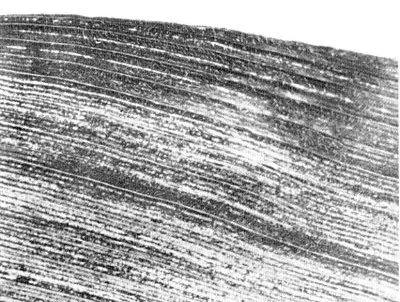
Description
Symptoms
The primary symptom of this disease is the appearance of chlorotic streaks or intermittent lines on the leaves, aligned with the leaf veins.
In the early stages of the infection, these spots typically appear pale or yellowish-green, gradually elongating and sometimes merging across the leaf blade.
Plants infected during the early growth phases often show severe stunting and general weakness, making them appear significantly smaller than healthy plants.
Leaf deformation, curling of the margins, and premature yellowing or senescence of the lower leaves are also common markers of this viral infection.
Agronomists should carefully distinguish these symptoms from nutritional deficiencies, as viral patterns usually display a more specific, systemic distribution.
Pathogen
The disease is caused by a virus that infects a wide range of monocotyledonous plants, including major grain crops like wheat, barley, and oats.
The pathogen relies on insect vectors, primarily aphids or leafhoppers, to move from plant to plant and complete its transmission cycle within the field.
Wild grasses often serve as reservoirs for the virus during the off-season, ensuring the persistence of the disease in the agricultural landscape.
Mechanical transmission via plant sap during field operations is possible but usually secondary compared to transmission by insect vectors.
Understanding the biology of the virus is crucial for identifying the specific vectors responsible for its spread in different geographical regions.
Conditions for development
The development of the disease is highly dependent on favorable weather conditions for the activity and migration of the insect vectors.
Warm and humid spring weather often promotes the rapid buildup of insect populations, leading to increased pressure of the viral infection on grain crops.
High-density planting creates an ideal microclimate for vectors, facilitating easier contact and transmission between neighbouring plants.
Early planting dates can sometimes coincide with the peak movement of insect vectors, significantly increasing the risk of widespread infection.
Proximity to weed-infested areas provides a continuous source of inoculum, allowing the virus to easily colonize new plantings of susceptible grain varieties.
Why it matters
The main economic damage occurs due to the systemic impairment of photosynthesis, leading to reduced accumulation of plant biomass and lower yields.
Infected crops develop a weakened root system and reduced vigor, which makes them highly susceptible to drought stress and other environmental pressures.
Yield components are severely affected, resulting in fewer grains per spike and reduced grain weight, which negatively impacts the final harvest value.
The quality of grain is also compromised, often leading to lower grading scores and reduced marketability for the harvested produce.
In cases of early and severe outbreaks, the damage may be significant enough to necessitate the replanting of large portions of the field.
Protection
The most effective strategy is the use of resistant or tolerant crop varieties that are well-suited to the local climate and growing conditions.
Strict phytosanitary practices are essential, including the systematic removal of grassy weeds that act as virus reservoirs in and around the fields.
Targeted use of insecticides against insect vectors is necessary when population levels exceed economic injury thresholds during the early vegetative phase.
Adjusting planting dates to avoid the periods of peak vector activity is a key cultural practice for preventing early-season viral outbreaks.
Implementing crop rotation and ensuring spatial isolation between new and old grain fields are critical preventive measures to break the infection cycle.
Discussion
No discussions yet — be the first.