

Description
Symptoms
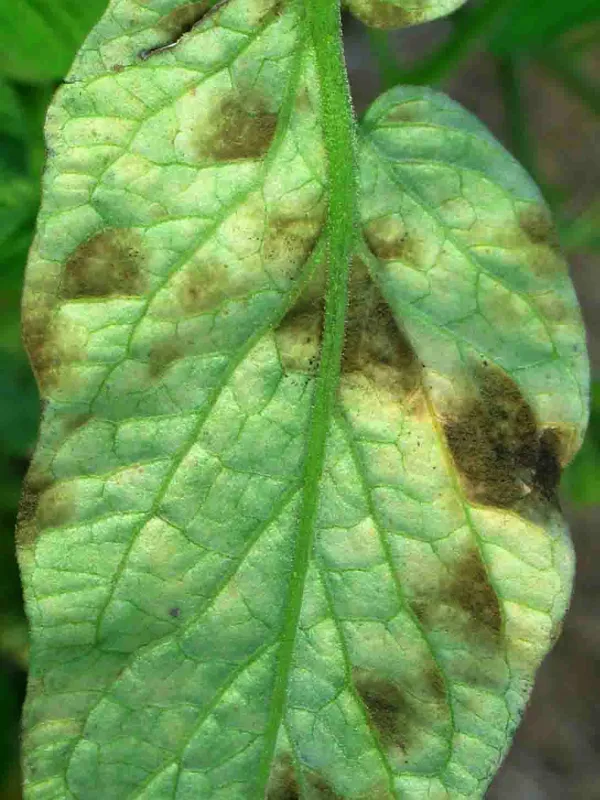
The primary symptom of a mold infection is the appearance of a visible fungal mat on the surface of plant tissues or seeds. The color of this growth ranges from white and grey to green, black, or yellow, depending on the fungal species.
In seed lots, mold causes discoloration, a musty odor, and a significant reduction in germination rates. The embryo may die before emergence, leading to poor plant stand establishment in the field.
On living plant tissues, the mycelium penetrates the epidermal layers, causing tissue softening and subsequent decay. This leads to a loss of turgor pressure, wilting, and the eventual death of the affected parts of the plant.
Mold growth is often localized where plant organs come into direct contact with moist soil or where air circulation is restricted. During post-harvest, it frequently manifests in crates or bins with poor ventilation.
- Powdery, fuzzy, or cotton-like fungal growth.
- Distinctive musty or earthy odor.
- Dark, necrotic lesions on plant surfaces.
- Stunted growth and various physical deformations.
Pathogen
Mold on plants consists of a diverse group of microscopic fungi, primarily classified as saprotrophs or facultative parasites. The most common genera causing these issues include Aspergillus, Penicillium, Mucor, and Rhizopus.
These pathogens are ubiquitous, found in almost all soil types and air currents, affecting a wide array of crops throughout their growth cycles. Mold is not a single disease but a broad category of fungal infections characterized by visible mycelial growth.
These fungi reproduce by generating massive amounts of spores that are easily dispersed by wind, water, or insects. They are capable of surviving in the soil for extended periods as dormant structures, waiting for favorable environmental conditions to emerge.
Mold can attack various parts of the plant, including leaves, stems, fruits, and seeds stored in warehouses. Their metabolic activity is highly dependent on the availability of organic substrates and specific moisture levels.
It is crucial to recognize that mold often acts as a secondary invader, colonizing tissues that have been weakened by mechanical injury, environmental stress, or primary pathogenic attacks.
Conditions for development
High relative humidity (typically above 80%) is the most significant factor promoting mold development. Excessive moisture in the air or on the plant surface triggers spore germination and rapid mycelial spread.
Temperature plays a secondary but important role; most common mold species are highly adaptable and thrive across a broad thermal range, including the cooler temperatures often found in storage facilities.
Poor ventilation leads to stagnant air and high localized humidity, creating perfect conditions for fungal colonization. Dense planting patterns or improper storage stacking can exacerbate these conditions rapidly.
Mechanical damage to fruit skins or seed coats provides easy entry points for fungal hyphae. Minimizing bruising during harvesting and handling is critical to preventing infection outbreaks.
Plants with weakened immune systems due to nutrient imbalances, especially excessive nitrogen levels, develop softer, more succulent tissues that are highly susceptible to fungal invasion.
Why it matters
The primary agricultural impact of mold is the total loss of marketability of harvested produce. Infected crops often become contaminated with mycotoxins, which are hazardous secondary metabolites produced by the fungi.
Mycotoxins pose severe health risks to both humans and livestock. Consequently, moldy produce must be discarded, resulting in significant financial losses and disposal challenges for the agricultural enterprise.
In field conditions, mold causes pre-emergence or post-emergence damping-off, forcing growers to re-seed and incurring additional labor and material costs. This negatively affects the uniformity of the crop.
During grain storage, mold activity generates heat, leading to "self-heating" of the grain mass. This process destroys large quantities of stored material and can even lead to fires in extreme cases of spoilage.
Economic consequences include direct yield loss, the cost of fungicides, and the capital expenditure required for sophisticated drying and aeration systems in storage facilities.
Protection
Effective prevention starts with strict adherence to crop rotation and thorough field sanitation. Ensuring proper soil drainage is essential to preventing the accumulation of stagnant water around plant roots.
Using high-quality, pathogen-free seeds treated with appropriate seed dressing chemicals is the first line of defense against seedling mold and early-stage infections.
Post-harvest management relies heavily on strict climate control within storage facilities. Regular monitoring of temperature and moisture levels, combined with active aeration, is vital to prevent mold growth.
During the harvest, sorting is critical. Removing any damaged or infected produce immediately upon entry into storage prevents the infection from spreading to the rest of the batch.
Chemical control involving systemic or contact fungicides may be implemented when environmental conditions are conducive to disease. Application must follow local regulations and target specific growth stages of the crop.
Content graph
Connections · Mold
Most often together:
Marketplace
Products · 2

Community
Discussion
No discussions yet — be the first.