

Description
Symptoms
Initial signs of Nigrospora infection are often subtle, occurring deep within the plant tissues where the fungus begins its colonization. Early symptoms include a slight discoloration of the infected plant parts.
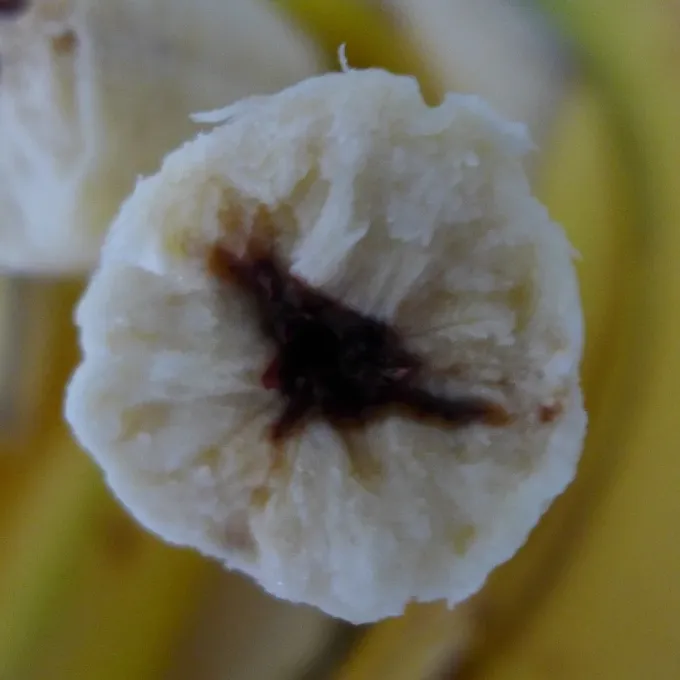
In corn, the cob base and the cob shank are the most commonly affected areas. The pith of the shank becomes soft and turns charcoal-black, which is a definitive sign of Nigrospora infection.
A distinctive soot-like, black powdery deposit forms on the surface of the cob and kernels. This powder is easily dislodged, making it a clear visual indicator for identifying the presence of the pathogen in the field.
Kernels become shriveled, stunted, and lose their natural luster. They often exhibit a light grey to black discoloration as the fungus colonizes the embryo and endosperm, leading to a complete loss of grain quality.
When the stalk is infected, the structural integrity of the plant is compromised, often leading to lodging. This condition is frequently observed in the lower nodes, where the fungus causes stem weakening.
Pathogen
Nigrospora rot is caused by fungi belonging to the genus Nigrospora, with Nigrospora oryzae being the most frequently identified species. These fungi are characterized by their ability to thrive both as saprophytes on plant debris and as opportunistic pathogens.
The primary diagnostic feature of the fungus is its spores, or conidia. These spores are dark, almost black, and exhibit a spherical or slightly flattened shape, protected by a thick, resilient cell wall that allows them to survive in soil for extended periods.
The fungus produces extensive mycelial networks that penetrate plant tissues, secreting enzymes that dissolve the middle lamellae between cells. This enzymatic activity leads to the rapid softening and degradation of the infected plant organs.
As the infection matures, the fungus sporulates profusely on the surface of the affected plant tissue. This massive production of black spores creates the characteristic dark, dusty appearance associated with this disease.
The pathogen persists in crop residues and soil, acting as a primary inoculum source. Spores are easily disseminated by wind, water splashes, and farm equipment, facilitating rapid spread across large areas during the growing season.
Conditions for development
Nigrospora rot development is strongly favored by high humidity and moderate temperatures during the late stages of crop maturity. Extended periods of rain before harvest create optimal conditions for the fungus to spread.
Temperatures ranging from +20°C to +28°C provide the ideal environment for the rapid growth and sporulation of the fungus. Under these conditions, the disease can spread throughout a field in a very short time.
Plants that are stressed by drought, nutrient deficiencies, or insect damage during the early and mid-growing seasons are significantly more susceptible to Nigrospora colonization during the later stages of development.
Poor agricultural practices, such as high plant density, create microclimates with restricted airflow. This promotes moisture retention around the cobs, which is a major factor in triggering the infection.
Continuous cropping without adequate rotation leads to an accumulation of inoculum in the field, increasing the likelihood of widespread infection if environmental conditions are favourable for the pathogen.
Why it matters
The economic impact of Nigrospora is significant, as it directly reduces both the yield and the market value of the harvested grain. Infected grain is often unfit for human consumption or livestock feed.
Seed germination rates are drastically reduced in grain harvested from infected fields. Using such grain as seed stock for the following season will inevitably result in poor crop stands and economic loss.
The presence of fungal metabolites in infected kernels can degrade the nutritional value of the crop. In some cases, the production of mycotoxins, while not as severe as with other fungi, remains a concern for animal health.
Infected crops are prone to rapid molding after harvest, making storage difficult. Moisture levels in storage facilities must be strictly controlled to prevent further degradation of the already weakened grain.
Mechanical harvesting is severely hampered by stalk lodging caused by the disease. This leads to substantial field losses, as automated machinery cannot pick up the fallen plants efficiently.
Protection
A robust crop rotation strategy is the foundation of Nigrospora management. Avoiding corn-on-corn cultivation for several years helps significantly reduce the build-up of the pathogen in the soil.
Deep plowing and the thorough incorporation of crop residues into the soil are essential. This promotes the decomposition of the plant matter and limits the survival of the fungus between growing seasons.
Utilizing high-quality, fungicide-treated seeds is crucial. Seed treatments provide essential protection during the early stages of plant growth and help reduce the risk of primary soil-borne infections.
Timely harvest is a critical management practice. Gathering the crop as soon as it reaches physiological maturity minimizes the time the plant is exposed to humid conditions that favor fungal development.
In cases where environmental risks are high, applying registered foliar fungicides can help mitigate disease pressure. This practice is most effective when combined with proper monitoring and timely application protocols.
Content graph
Connections · Nigrospora cob rot
Most often together:
Marketplace
Products · 2
Community
Discussion
No discussions yet — be the first.