
Lilac chlorosis
Lilac chlorotic leafspot virus
Description
Symptoms
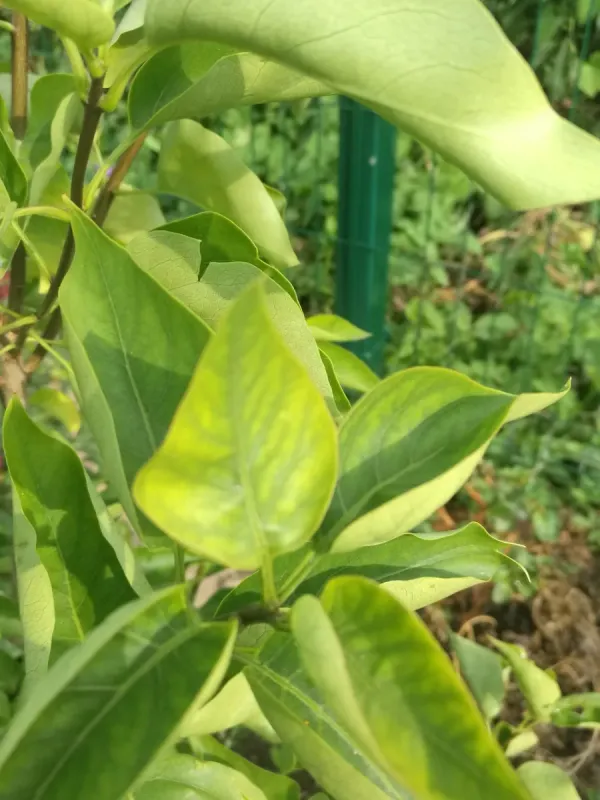
Lilac chlorosis is primarily characterized by the yellowing of leaf tissue, where the leaves lose their deep green pigmentation and turn pale yellow or cream-colored.
A distinctive feature of this condition is the retention of green color in the leaf veins, which creates a visible net-like pattern known as interveinal chlorosis.
Symptoms typically manifest first on the young, newly developing leaves at the branch tips before spreading throughout the entire shrub as the deficiency progresses.
In advanced stages, the affected leaves may become stunted, curled, or brittle, eventually leading to premature abscission and a thinning of the plant's overall canopy.
Severe and persistent cases often result in the dieback of terminal shoots, significantly impacting the structural development and decorative appeal of the lilac bush.
Pathogen
Most cases of lilac chlorosis are physiological in nature, caused by a metabolic inability to synthesize sufficient chlorophyll rather than by a pathogenic microorganism.
The underlying etiology is typically a deficiency of essential micronutrients, most commonly iron, which is rendered unavailable to the root system in specific soil conditions.
Deficiencies of other minerals such as magnesium, zinc, or manganese can also trigger similar chlorotic symptoms by interfering with the plant's enzymatic processes.
In rarer instances, viral or phytoplasma infections can induce systemic chlorotic symptoms that look similar to nutritional deficiencies but require different management strategies.
Root damage caused by soil-borne pathogens or environmental stress can inhibit nutrient uptake, indirectly manifesting as the characteristic yellowing of the foliage.
Conditions for development
High soil pH, particularly in alkaline or calcareous soils, is the most common factor that converts iron into insoluble forms, preventing its uptake by lilac roots.
Waterlogged or poorly drained soils lead to anaerobic conditions in the root zone, which drastically reduces root respiration and impairs the active transport of nutrients.
Excessive use of hard, lime-rich irrigation water gradually increases the alkalinity of the rhizosphere, exacerbating the deficiency of microelements over time.
Compacted soil prevents proper aeration, limiting the oxygen supply to roots and hindering the healthy development of root hair cells responsible for nutrient absorption.
Rapidly fluctuating spring temperatures can create physiological stress, temporarily slowing down metabolic rates and nutrient mobilization in the plant's vascular system.
Why it matters
Chlorosis severely limits the photosynthetic capacity of the lilac, depriving the plant of the carbohydrates necessary for sustained growth, flowering, and winter survival.
The lack of vital nutrients weakens the plant's natural immune response, making it significantly more susceptible to secondary fungal infections and harmful insect pests.
Chronic cases lead to long-term decline, manifested as poor flower production, stunted annual shoot growth, and an eventual loss of the plant's ornamental value.
Without intervention, the progressive dieback of branches compromises the integrity of the shrub, potentially necessitating drastic pruning or removal of the plant.
Reduced vigor negatively impacts the overall resilience of the lilac, hindering its ability to recover from environmental stresses like drought or extreme cold.
Protection
The most immediate and effective treatment involves the application of chelated iron fertilizers, which can be provided via foliar sprays for rapid uptake or soil drenching.
Managing soil pH is critical for long-term health; this may involve incorporating organic matter like peat moss or elemental sulfur to create a more favorable acidic environment.
Improving soil drainage and aeration through light cultivation and the addition of well-rotted organic compost supports a robust and efficient root system.
Utilizing rainwater or treated irrigation water helps to avoid the cumulative effects of carbonate accumulation in the soil around the lilac's root zone.
- Apply foliar chelated iron sprays when early symptoms appear.
- Monitor soil pH regularly to ensure it stays within the optimal range.
- Use mulching to maintain soil moisture and improve nutrient availability.
Discussion
No discussions yet — be the first.