
Jasmine chlorosis
Jasmine chlorotic ringspot agent
Description
Symptoms
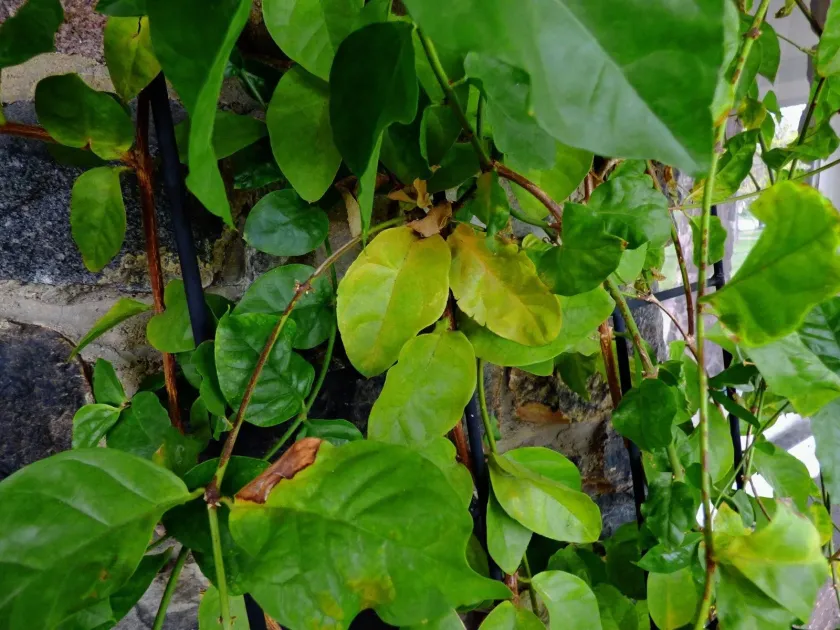
The primary symptom of jasmine chlorosis is the yellowing of leaf blades, while the veins remain distinctively green, a condition known as interveinal chlorosis.
Symptoms typically appear first on younger leaves at the tips of the shoots, as these are the parts of the plant requiring high nutrient uptake.
As the condition worsens, the yellowing can spread to older leaves, eventually causing them to lose their lustre and become brittle.
Leaves may exhibit stunted growth or curling, and in severe stages of the disorder, they drop prematurely from the plant.
Flowers on chlorotic jasmine plants tend to be smaller, fewer in number, and lack the vibrant colour and scent characteristic of the healthy species.
Pathogen
Jasmine chlorosis is a non-infectious physiological disorder rather than a disease caused by pathogens like fungi, bacteria, or viruses.
It is fundamentally a metabolic issue primarily triggered by an iron deficiency, which prevents the plant from producing chlorophyll.
The disorder may also arise from deficiencies in other essential micronutrients, such as magnesium, manganese, or zinc, depending on soil chemistry.
Even if iron is present in the soil, the plant may fail to uptake it due to chemical interactions that render the mineral insoluble.
The biological process of chlorosis is characterized by the inhibition of the photosynthetic mechanism, leading to a loss of green pigment.
Conditions for development
High soil pH (alkaline conditions) is a leading cause, as iron becomes chemically unavailable to jasmine roots in such environments.
Poor soil drainage and waterlogging create anaerobic conditions that restrict root respiration and prevent the efficient uptake of minerals.
Excessive use of calcium or phosphorus fertilizers can interfere with iron absorption, essentially causing induced nutrient deficiencies.
Cold or compacted soil can significantly reduce the activity of the root system, making it difficult for the plant to absorb iron during early spring.
Environmental stressors like limited sunlight or extreme temperature fluctuations can further impair the metabolic functions of the jasmine plant.
Why it matters
The disease inhibits the plant's ability to perform photosynthesis, leading to reduced energy production and stunted overall development.
The weakened state of the plant makes it more susceptible to secondary infections, such as root rot or insect attacks, which thrive on stressed vegetation.
Aesthetically, the plant loses its ornamental appeal, which is particularly detrimental for gardeners and commercial growers who value foliage quality.
Prolonged chlorosis leads to the dieback of shoots and can ultimately result in the death of the entire plant if left uncorrected.
The lack of nutrient reserves reduces the jasmine's winter hardiness, increasing the risk of frost damage during the dormant season.
Protection
The most immediate and effective treatment involves the application of iron chelates, which are readily absorbed by the foliage via spraying.
Soil management is crucial; gardeners should use soil acidifiers or organic matter like peat to lower the pH to an optimal range (5.5–6.5).
Preventative measures include regular soil testing and the application of balanced micronutrient fertilizers to avoid localized deficiencies.
Maintaining adequate irrigation practices, including the use of soft water and proper drainage, ensures the root environment remains healthy.
- Foliar application of chelated iron.
- Adjustment of soil pH levels.
- Enhancing root zone drainage.
- Applying balanced trace element fertilizers.
Discussion
No discussions yet — be the first.