
Description
Symptoms
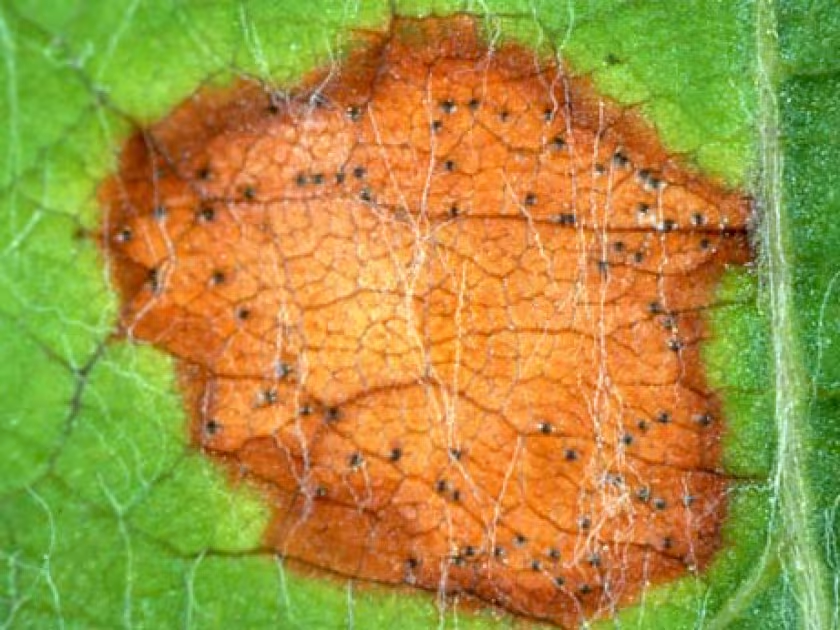
Initial symptoms manifest as small, scattered spots on the leaf surface, which typically appear brown or grayish in color depending on the host species.
As the infection progresses, these spots expand and may coalesce into larger irregular patches, often causing the surrounding leaf tissue to turn yellow or necrotic.
A distinctive feature of this disease is the development of tiny, dark-colored fruiting bodies called pycnidia, which appear as black specks in the center of the mature spots.
In the case of papaya, the infection can spread beyond the leaf blades to the petioles and stems, potentially leading to widespread wilting and premature leaf drop.
Heavy infestations can result in significant defoliation, which severely compromises the tree's overall vigor and limits its ability to produce healthy fruits.
Pathogen
The disease is caused by fungal pathogens belonging to the genus Guignardia, which are known to infect a variety of plants, including papaya, across tropical and subtropical regions.
This pathogen is categorized as a fungal leaf spot agent. It survives within infected leaf litter and plant debris, serving as a primary inoculum source for subsequent infection cycles.
The fungal life cycle involves the production of spores that are easily disseminated by wind currents and water splashes, facilitating the rapid spread of the disease within fields.
Upon landing on a susceptible host, the fungal spores germinate and penetrate the plant tissue through natural openings such as stomata or minor mechanical wounds.
Once established, the mycelium colonizes the leaf tissue, disrupting normal physiological processes and eventually leading to the formation of visible necrotic lesions.
Conditions for development
The development of Guignardia leaf spot is highly favored by warm temperatures and high humidity levels, conditions typical of the tropical environment.
Optimal growth for the fungus occurs in a temperature range of 22–28 degrees Celsius, coupled with frequent rainfall or heavy dew that keeps plant surfaces wet.
Poor airflow within planting areas, often caused by high planting density, creates an ideal microclimate for the fungus to thrive and propagate effectively.
Plants subjected to environmental stress, poor nutrition, or pest damage are significantly more susceptible to infection compared to healthy, well-maintained crops.
The presence of free moisture on leaves for extended periods is a critical factor for spore germination and the successful colonization of host tissues by the pathogen.
Why it matters
The primary damage caused by this disease is the reduction of the photosynthetic surface area, which slows down plant metabolism and fruit development.
Premature leaf senescence and abscission deplete the energy reserves of the host plant, leading to stunted growth and lower crop yields over the long term.
For commercial growers, the aesthetic damage to fruits and foliage, combined with the loss of canopy, significantly reduces the market value of the produce.
If left unmanaged, the pathogen can cause rapid degradation of plant health, potentially leading to the death of young plants in extreme nursery conditions.
Economic losses arise not only from reduced productivity but also from the ongoing costs associated with fungicide applications and additional management practices.
Protection
Strict sanitation practices, such as the removal and destruction of infected fallen leaves and pruning of diseased plant parts, are essential to break the infection cycle.
Ensuring proper spacing between plants is a vital preventative measure that improves air circulation and helps keep the foliage dry, discouraging fungal growth.
Applying protective fungicides containing copper or other recommended active ingredients can help prevent the establishment and spread of the pathogen during wet seasons.
- Regular monitoring of fields for early detection.
- Using drip irrigation to prevent wetting the foliage.
- Implementing integrated pest management (IPM).
- Selecting resistant varieties where commercially available.
Maintaining optimal plant nutrition through a balanced fertilization program helps boost the host's natural immunity, making it more resilient to fungal attacks.
Pathogens and affected parts
Affects crops · 1
Discussion
No discussions yet — be the first.