
Ginger chlorosis
Ginger chlorotic fleck virus
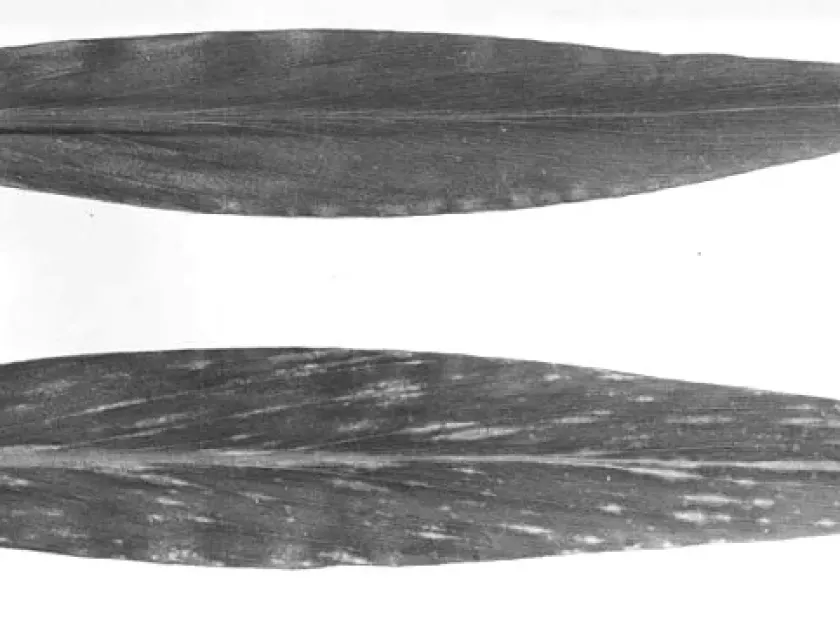
Description
Symptoms
The primary symptom of ginger chlorosis is the loss of the deep green color in leaves, which turn pale yellow or yellowish while the veins often remain green.
In advanced stages of the disease, the leaf edges may turn brown and dry out, indicating severe disruption in the plant's metabolic functions due to chlorophyll deficiency.
The overall growth of the plant slows down noticeably, resulting in thin stems, stunted new leaves, and a significant decrease in rhizome development.
In cases of viral infection, one might notice a mosaic pattern or light streaks on the leaves, which helps distinguish it from simple nutrient deficiency.
Prolonged chlorosis leads to the degradation of the leaf apparatus, reducing the plant's photosynthetic capacity and potentially leading to total plant failure.
Pathogen
Physiological chlorosis in ginger is typically caused by a deficiency of iron, magnesium, or nitrogen, often due to an improper soil chemical balance.
Infectious chlorosis is caused by plant viruses, such as Cucumber Mosaic Virus (CMV), which systemically infect the vascular system of the ginger plant.
Insect pests, including aphids and thrips, act as primary vectors by transmitting viral pathogens from infected plants to healthy ones while feeding.
Phytoplasma organisms may also be responsible for chlorotic symptoms, often causing severe growth suppression and distortion of the plant structure.
It is important to note that viral pathogens can persist in rhizomes used for propagation, serving as a primary source of infection for new plantings.
Conditions for development
The main trigger for physiological chlorosis is a high soil pH (alkaline conditions), which makes essential micronutrients unavailable for root absorption.
Waterlogging and poor drainage often lead to root suffocation, which severely hinders the plant's ability to uptake necessary nutrients from the substrate.
Viral chlorosis spreads most rapidly in warm seasons when insect vector populations reach their peak, facilitating the transmission of the disease.
Insufficient light, especially in indoor environments or during the winter months, suppresses photosynthesis and causes chlorophyll degradation.
Growing ginger in nutrient-poor soil without adequate organic matter limits the plant's access to vital minerals, making it more susceptible to chlorotic manifestations.
Why it matters
The disease significantly reduces crop yields because chlorotic leaves fail to provide sufficient energy for the rhizome to grow and store nutrients.
Rhizome quality declines, making them smaller, more fibrous, and less resistant to storage, which leads to higher rates of post-harvest decay.
Infectious forms of chlorosis can lead to the loss of entire ginger patches if early quarantine and eradication measures are not implemented.
The costs associated with managing the disease and purchasing fertilizers or pesticides increase production expenses, reducing overall profitability.
Chlorotic plants become highly susceptible to secondary bacterial rots, which are among the most destructive issues in commercial ginger production.
Protection
The most effective treatment for physiological chlorosis is the application of chelated iron (Fe-EDTA) through foliar feeding for rapid chlorophyll recovery.
Adjusting soil pH to a range of 5.5–6.5 is essential to ensure that minerals remain in a form readily available for the ginger root system to absorb.
Regular application of insecticides is necessary to control aphids, thrips, and whiteflies, which are the main carriers of viral chlorosis.
Starting with healthy, certified seed rhizomes is the best preventive strategy, as viral diseases cannot be cured with standard chemical treatments.
- Ensuring proper soil drainage and aeration.
- Applying balanced micro-nutrient supplements.
- Weed management to eliminate virus reservoirs.
- Maintaining proper spacing between plants.
- Immediate removal and destruction of infected specimens.
Discussion
No discussions yet — be the first.