
Citrus necrosis
Citrus necrotic spot virus
Description
Symptoms
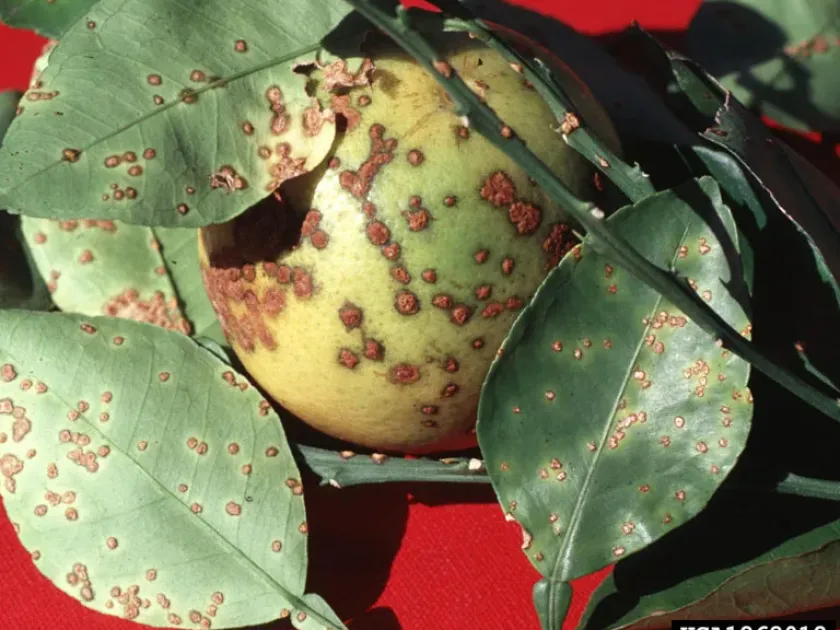
The first symptoms of necrosis typically involve yellowing of leaves followed by tissue death, often appearing along the leaf margins or central vein.
Affected stems and trunks frequently show cracks in the bark, with occasional gum exudation as the plant attempts to seal off the damaged areas.
Twig dieback is a common sign of progressive necrosis, where the disease spreads downward from the terminal shoots toward the main structural branches.
Fruits on infected trees often become deformed and develop dark, sunken lesions, which eventually leads to premature fruit drop and significant harvest loss.
Severe cases involve the deterioration of the root system, where fine feeder roots die off, impairing the tree's ability to absorb essential water and nutrients.
Pathogen
Citrus necrosis is often caused by various soil-borne pathogens, including Phytophthora, Fusarium, and Alternaria species that infect compromised tissues.
Viral pathogens, such as the Citrus Tristeza Virus (CTV), can cause necrotic symptoms by severely disrupting the phloem and vascular transport system.
Bacterial pathogens like Pseudomonas may act as opportunistic invaders, colonizing tissue that has already been weakened by environmental stress or other fungi.
Infection spreads through environmental vectors such as splashing rain, wind-borne spores, and contaminated pruning tools used during orchard maintenance.
The pathogen remains viable in infected plant debris or soil for long periods, serving as a primary source of inoculum for subsequent growing seasons.
Conditions for development
High soil moisture combined with poor drainage creates a waterlogged environment that promotes the growth of root-rotting fungi responsible for necrosis.
Prolonged periods of high humidity and rainfall provide an ideal climate for the proliferation of fungal spores on foliage and young shoots.
Mechanical injuries from pruning, insect feeding, or frost damage provide entry points for pathogens to colonize the tree's internal vascular structure.
Nutrient deficiencies, particularly low potassium or phosphorus levels, weaken the plant's natural defense mechanisms and increase susceptibility to infection.
Overcrowded orchards with poor air circulation encourage the buildup of pathogen populations by maintaining a damp microclimate within the tree canopy.
Why it matters
Citrus necrosis poses a severe threat to orchard longevity, potentially leading to the death of productive trees if the condition remains untreated.
The disease causes a substantial decline in yield quality and quantity, as damaged vascular tissues cannot support the development of high-quality fruit.
Structural integrity of the trees is compromised as branch brittleness increases, leaving the orchard vulnerable to storm damage and wind breakage.
Infected trees act as reservoirs of infection, placing neighboring healthy trees at significant risk within the orchard ecosystem.
Economic losses arise not only from reduced production but also from the high costs associated with disease management, tree removal, and soil treatment.
Protection
Maintaining optimal orchard hygiene is essential, which includes the regular removal and safe disposal of all dead or necrotic plant materials.
Balanced fertilization programs help enhance tree vigor, enabling the citrus plants to better withstand potential pathogenic pressures and environmental stress.
Applying appropriate copper-based or systemic fungicides can effectively suppress the development of fungal populations during high-risk seasons.
Strict disinfection of pruning shears and other tools between trees prevents the accidental transfer of pathogens throughout the entire plantation.
Selecting disease-resistant rootstocks and scion varieties is the most effective long-term strategy for preventing necrosis and ensuring orchard health.
Discussion
No discussions yet — be the first.