
Sideritis perfoliata
Sideritis perfoliata L.
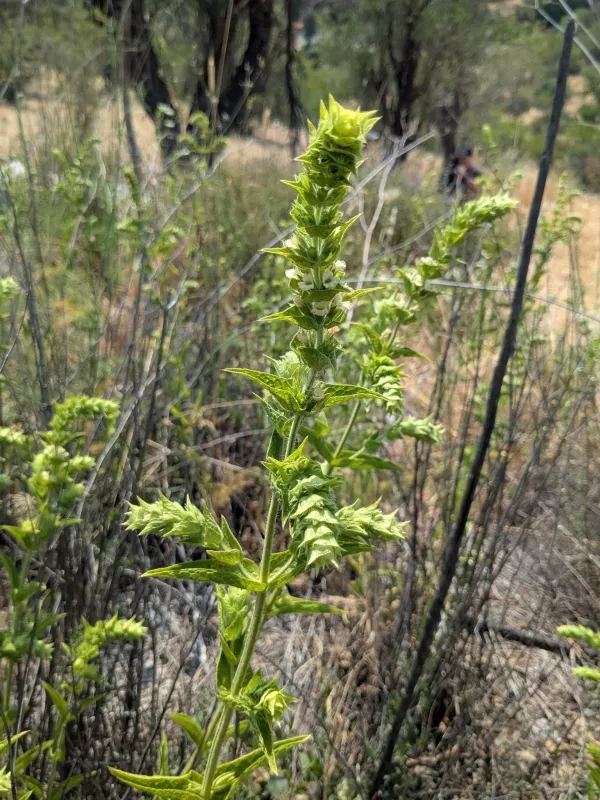
Description
Sowing dates
Sowing Sideritis perfoliata is best performed in early spring once soil temperatures reach a consistent 10–12 degrees Celsius. As a plant of the Lamiaceae family, it requires a well-prepared seedbed that is fine-textured to ensure optimal contact between the soil and the small seeds.
The recommended row spacing is 45 to 60 centimeters, which allows for mechanical weed control and sufficient air circulation. Proper spacing is essential to reduce humidity levels around the foliage, which is critical for plant health.
Seeds should be planted at a shallow depth of approximately 1 centimeter. Covering them too deeply significantly delays germination and may result in uneven emergence across the field.
In regions with milder climates, autumn sowing can be a viable alternative to benefit from winter moisture, provided the field is managed to prevent excessive winter weed growth.
Maintaining an optimal plant density is vital; overcrowded plants are more susceptible to disease and produce lower concentrations of essential secondary metabolites.
Growing requirements
Sideritis perfoliata thrives in sunny locations with high light intensity. It is an extremely hardy plant that prefers open fields and is well-adapted to Mediterranean or arid climates with good light availability.
The ideal soil for this crop is light, sandy, or stony with good drainage. While it can survive in nutrient-poor soils, it struggles in heavy, clay-based soils that tend to become waterlogged during the rainy season.
It has excellent drought tolerance once established, making it a sustainable crop for regions facing water scarcity. However, young seedlings require supplemental irrigation during dry spells to ensure root establishment.
Soil pH should ideally be neutral or slightly alkaline. The plant does not respond well to high levels of nitrogen fertilization, which can promote lush green growth at the expense of its medicinal potency.
Regular cultivation of the soil between rows is necessary to prevent crusting and to improve gas exchange in the root zone, which enhances the plant's overall vigor.
Main diseases and pests
The primary threats to Sideritis perfoliata include various fungal pathogens that flourish in humid conditions, such as powdery mildew. Proper field management, including adequate spacing, is the best prevention.
Insect pests such as aphids and leaf-eating caterpillars can impact yield and quality. Monitoring the fields during the vegetative stage is essential to detect early infestations before they cause economic damage.
Integrated Pest Management (IPM) strategies are highly recommended to avoid chemical residues on the final herb product. This includes encouraging natural predators and practicing crop rotation.
Root rot is a major concern if drainage is poor. Ensuring the field is properly leveled and free of low-lying areas that collect water is the most effective preventive measure.
Post-harvest hygiene is also important; removing debris from the field prevents the overwintering of pathogens that could infect the crop in the following season.
Harvesting
Harvesting should be timed to coincide with full flowering, as this stage provides the highest concentration of essential oils and active compounds. Timing is critical for ensuring the commercial quality of the herb.
Plants are cut at a height of 5–10 centimeters above the ground. Harvesting too low can damage the crown of the plant and hinder regrowth in subsequent seasons, as the plant is a perennial.
Immediate processing is necessary after harvesting. The fresh plant material is prone to fermentation if left in piles, which degrades the volatile aromatic compounds within the leaves and flowers.
Drying is performed in dark, well-ventilated sheds or controlled environment dryers at temperatures below 40 degrees Celsius. High heat will vaporize the valuable essential oils and diminish quality.
Once dried, the herb should be stored in containers that prevent moisture ingress and light exposure to maintain its shelf life and therapeutic properties until it reaches the end user.