
Sideritis athoa
Sideritis perfoliata L. subsp. athoa (Papan. & Kokkini) Baden
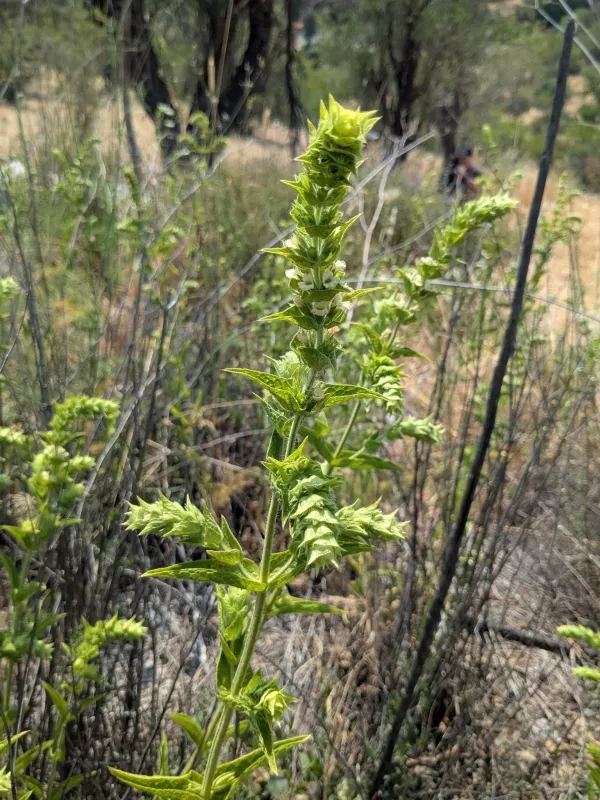
Description
Sowing dates
Sowing Sideritis athoa seeds is best performed in the autumn or early spring. The seeds require stratification to overcome dormancy, making late autumn sowing a highly effective method for achieving uniform germination during the spring months.
When using a nursery approach, seeds should be sown in trays during late winter, maintaining a steady temperature of 15–18 degrees Celsius. Transplanting the seedlings into the open field should be delayed until the risk of late frosts has completely passed.
Spacing is critical for this species to ensure proper airflow and prevent fungal development. A planting density of 40–50 cm between rows and 25–30 cm between individual plants is recommended for optimal growth and ease of maintenance.
For direct seeding in the field, sow seeds at a shallow depth of no more than 1 cm. Keeping the soil consistently moist during the germination phase is essential, but be careful not to create a waterlogged environment, which can lead to seed decay.
Seedlings develop slowly during the early growth stages, making weed management essential. Regular hoeing or hand-weeding is necessary to prevent competition for nutrients and sunlight, allowing the young plants to establish a healthy root system.
Growing requirements
Sideritis athoa is a member of the Lamiaceae family, known as a hardy, drought-tolerant plant native to the Mediterranean region. It requires full sun exposure and performs best on sites with excellent natural illumination throughout the entire day.
The species is highly sensitive to soil drainage and cannot tolerate waterlogged conditions. Rocky, sandy, or stony soils with a neutral to slightly alkaline pH are ideal, as they allow for perfect aeration around the roots.
Avoid heavy nitrogen fertilization, as it can diminish the concentration of essential oils and other secondary metabolites. Sideritis athoa thrives in nutrient-poor environments, so minimal amendments are typically required for successful growth.
Climatic conditions should favor a Mediterranean-style pattern: warm, dry summers and cool, well-drained winters. Sites protected from cold, harsh winds are preferable, especially in regions where winters can be quite severe for this species.
Maintaining a temperature range between 20 and 30 degrees Celsius during the growing season is optimal. Providing a well-ventilated location is key to preventing humidity-related stress, which is one of the main limiting factors in non-native environments.
Yield
Economic yields for Sideritis athoa are generally achieved from the second year onwards. The first year is primarily dedicated to root establishment and foliage growth, with minimal biomass production suitable for commercial harvest.
With correct agronomic care, a plantation can remain productive for 5 to 7 years. Once the plants show signs of reduced vigor or lignification of the stems, replanting is recommended to maintain the quality and quantity of the harvest.
Harvesting during the full bloom phase ensures the maximum concentration of active botanical compounds. Under ideal conditions, a healthy field can yield between 1.5 and 3 tons of dried herb per hectare, depending on local climate and soil conditions.
Regular maintenance, such as loosening the soil between rows to improve oxygen penetration, encourages lateral growth. This results in bushier plants and a higher overall yield, making these simple operations a worthy investment of labor.
Supplemental irrigation during the budding phase can significantly increase the final biomass. However, precise water application is required to avoid wetting the foliage, as this can encourage disease and reduce the quality of the product.
Main diseases and pests
Root rot is the primary threat to Sideritis athoa plantations, typically caused by poor drainage or excessive soil moisture. Proper site selection and soil preparation are the most effective preventive measures against these soil-borne pathogens.
Powdery mildew may occur during unusually wet and humid summer months. Control measures include spacing the plants adequately to improve airflow and immediately removing any infected parts to prevent the spread of the fungus to neighboring plants.
Pests are generally not a major concern due to the plant's aromatic compounds, which act as a natural deterrent. However, in overcrowded conditions, aphids may occasionally target the soft tips of new growth, requiring careful monitoring.
Slugs and snails can cause damage to young seedlings, especially in shaded or damp parts of the field. Maintaining a clean area around the base of the plants and using physical barriers can help mitigate this risk during the early growth stages.
Physiological disorders, such as chlorosis, often stem from incorrect soil pH or excessive watering rather than disease. Regularly analyzing the soil and ensuring proper water management are essential for maintaining the overall vitality of the plantation.
Harvesting
The harvest should be conducted when the plants are in full bloom, typically in the morning after the dew has evaporated. This timing is critical to maximize the essential oil content and ensure the best flavor profile for the end product.
Stems should be cut at approximately 5–10 cm above the soil surface using sharp tools to ensure a clean cut. Leaving some vegetative material behind helps the plant recover quickly and promotes secondary growth for subsequent seasons.
Post-harvest handling must be rapid to avoid heat buildup. Never leave harvested bundles in tight piles, as this leads to fermentation and quality degradation; spreading the material thinly is essential for maintaining the integrity of the plant.
Dry the harvested herb in a well-ventilated, shaded area. Temperatures should not exceed 40 degrees Celsius to prevent the loss of delicate volatile compounds and to maintain the plant's natural color and medicinal properties.
Once fully dried, store the product in airtight, light-protected containers to preserve its quality for up to two years. Keeping the dried herb in a cool, dry place ensures the longevity of its aromatic and medicinal effectiveness.