
Sideritis raeseri
Sideritis raeseri Boiss. & Heldr.
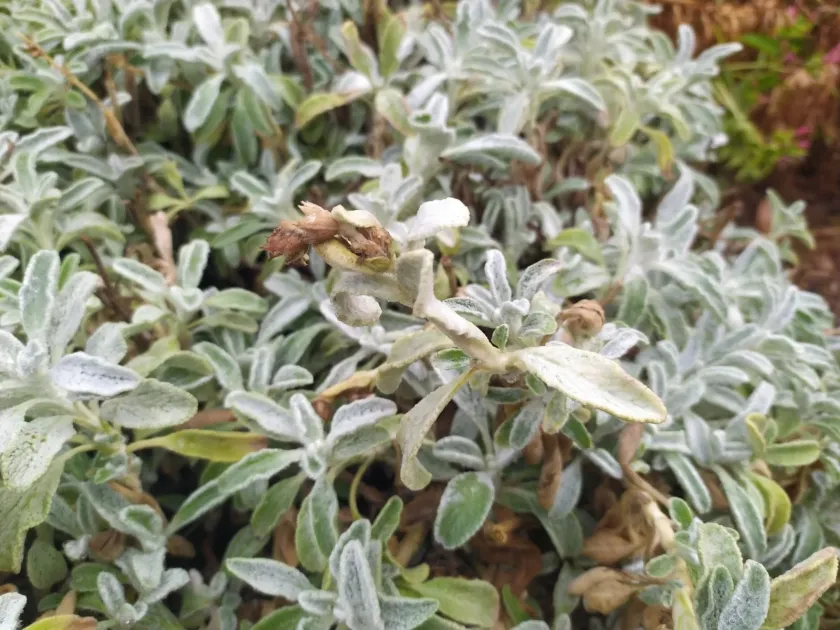
Description
Sowing dates
Sideritis raeseri is typically propagated by seeds, which require stratification to achieve uniform germination. The best time for sowing is during the early spring, once soil temperatures consistently reach 10–12 degrees Celsius.
Seeds should be sown at a shallow depth of 0.5 to 1 centimeter, as they are very small and prone to being buried too deep. Sufficient irrigation must be maintained during the initial weeks to support seedling establishment.
For a more controlled environment, nursery trays or greenhouses can be used for sowing in late winter. Seedlings are then transplanted to the field after the danger of frost has passed, usually in May.
Optimal spacing involves maintaining row intervals of 50–60 centimeters to ensure adequate ventilation. This spacing reduces humidity within the foliage, which is essential for preventing common fungal issues.
The plant density should be adjusted based on the specific soil type, typically aiming for 5–8 plants per square meter to balance individual plant growth and overall field yield.
Growing requirements
Sideritis raeseri belongs to the Lamiaceae family and is native to the rocky, high-altitude slopes of the Balkans. It is an extremely hardy perennial known for its resilience in poor, rocky soil conditions.
This crop thrives in sunny, well-drained locations with sandy or gravelly soil compositions. It possesses a deep taproot, making it highly drought-tolerant once it has been fully established in the field.
Soil pH should ideally be neutral or slightly alkaline, ranging between 6.5 and 7.5. Excessive moisture is the primary enemy of this plant, meaning site selection must avoid low-lying areas or waterlogged soils.
Climate-wise, the plant is quite tolerant of cold winters, especially when protected by snow cover. Proper air circulation is mandatory, particularly in humid regions, to prevent the growth of pathogens on the leaves.
Fertilization should be kept minimal. Relying on organic compost and phosphorus-potassium fertilizers is better than using high-nitrogen products, which can dilute the concentration of essential oils in the plant.
Main diseases and pests
The main threats to Sideritis raeseri are soil-borne diseases such as root rot and Fusarium wilt, which typically arise from overly wet soil conditions. Proper soil drainage is the most effective preventive measure.
Powdery mildew can affect the foliage during periods of high humidity or poor air circulation. Regular weeding is vital, as weeds can increase the humidity around the base of the plant, promoting disease development.
Aphids and spider mites are the most common pests, particularly during hot, dry spells. Integrated pest management using biological controls is highly recommended to maintain the purity of the medicinal product.
Early-stage management is critical, as the plants grow slowly and can be easily overwhelmed by vigorous weeds. Mulching with gravel or straw can help suppress weed growth while maintaining favorable soil temperatures.
To prevent disease buildup in the soil, Sideritis should be rotated with unrelated crops every few years, avoiding planting after other members of the Lamiaceae family.
Harvesting
Harvesting should be conducted at the peak of the flowering stage, typically when the majority of blossoms have opened. This is when the plant's essential oils and medicinal compounds are most concentrated.
The upper portions of the stems, including the inflorescences, are cut using sharp tools or specialized mechanical harvesters. It is best to harvest during the morning hours, but only after all dew has evaporated.
Post-harvest processing requires immediate drying in a shaded, well-ventilated area. Temperatures during the drying process must remain below 40 degrees Celsius to preserve the quality and color of the herb.
A well-managed Sideritis field can remain productive for up to 7 years. Yields generally show significant improvement from the second year onwards as the root systems become robust and established.
Once dried, the herb should be packed in breathable containers. Proper storage in a cool, dark environment ensures that the characteristic aroma and health-promoting properties are maintained for an extended shelf life.