
Sideritis scardica
Sideritis scardica Griseb.
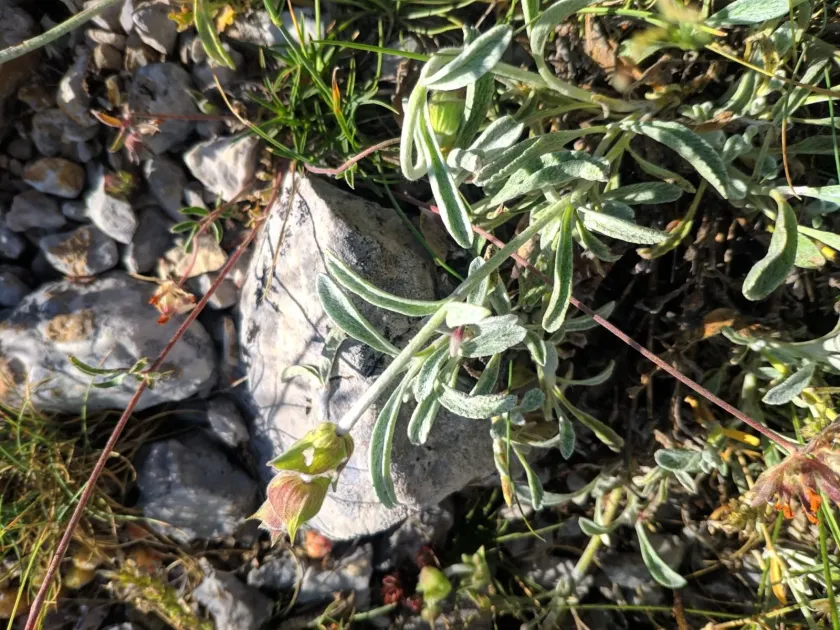
Description
Sowing dates
Sowing of Sideritis scardica typically begins in late winter or early spring in a greenhouse environment to produce healthy seedlings, as direct field sowing can result in low germination rates.
Seedlings should be transplanted into the field after the danger of frost has passed, usually in May, ensuring the soil has warmed up sufficiently to promote active root development.
The planting pattern requires a spacing of 40-50 cm between rows and 25-30 cm between individual plants to ensure adequate airflow and reduce the risk of humidity-related diseases.
Seeds are tiny and benefit from a brief period of cold stratification before sowing, which mimics their natural mountain environment and increases the percentage of successful germination.
For best results, the sowing depth should be very shallow, barely covering the seeds with a light, airy substrate, as they require light to stimulate the germination process.
Growing requirements
Sideritis scardica belongs to the Lamiaceae family and is native to high-altitude mountain regions, which defines its specific requirements for sunlight and temperature.
The plant thrives in well-drained, stony or sandy soils, as it is extremely intolerant of waterlogged conditions that lead to root rot and other physiological stressors.
Full sun exposure is mandatory; shade or partial light conditions result in poor plant development and a significant decrease in the concentration of bioactive essential oils.
The ideal climate features cool nights and warm, dry days, resembling its natural habitat in the Balkan mountains, which helps in maintaining the plant's medicinal quality.
Fertilization should be kept to a minimum; excessive nitrogen leads to rapid, weak vegetative growth and dilutes the aromatic and therapeutic components of the stems and flowers.
Yield
The economic yield of the crop is based on the harvested mass of dried flowering tops and stems, which are highly valued for their health-promoting properties.
Productivity reaches its peak from the second year onwards, once the root system is well-established and the plants have reached their full size and flowering potential.
Under optimal conditions, farmers can expect a yield ranging from 1 to 2 tonnes of dried material per hectare, depending on the quality of the soil and seasonal weather.
Regular maintenance, including weeding and monitoring for pests, is essential during the first year to ensure the crop can produce high-quality harvests in subsequent years.
Proper harvesting techniques ensure that the plant remains healthy, allowing for multiple harvests from the same field over several consecutive growing seasons.
Main diseases and pests
Root rot caused by fungal pathogens is the primary threat to Sideritis scardica, especially in fields where soil drainage is inadequate or in unusually wet seasons.
Powdery mildew can affect the foliage in conditions of high humidity or lack of ventilation, making proper plant spacing a critical management tool for disease prevention.
Pests are generally less of a problem, but aphids can occasionally colonize the tender young flowers during the early stages of growth, requiring careful monitoring.
To avoid soil-borne diseases, it is highly recommended to practice crop rotation and avoid planting on land previously used for other Lamiaceae species.
Integrated pest management strategies are encouraged to keep the product free from chemical residues, which is essential for maintaining its status as a premium medicinal herb.
Harvesting
The harvest should occur at the peak of the flowering stage, when the majority of blossoms are open but before the plant has started to produce seeds.
Stems are cut with a sharp tool at a height of about 5-10 cm from the ground, ensuring that sufficient base foliage remains for the plant to regenerate successfully.
Post-harvest handling is critical; the material should be transported immediately to a shaded, dry area to prevent the loss of volatile compounds due to sun exposure.
Drying must be conducted in well-ventilated, dark environments or specialized climate-controlled dryers at temperatures not exceeding 40 degrees Celsius.
Once dried, the product should be stored in moisture-proof containers in a cool, dark place to maintain its aroma and active chemical composition for extended periods.